.webp)
Product Description
Custom High Quality Sanitation machinery hydraulic cylinders CHINAMFG thrust cylinder
In sanitation machinery, a CHINAMFG thrust cylinder refers to a specific type of hydraulic cylinder used to provide CHINAMFG thrust or pushing force in certain applications. Hydraulic cylinders are mechanical devices that convert hydraulic pressure into linear motion or strength.
The CHINAMFG thrust cylinder is designed to generate a force in the direction of the primary thrust or movement of the sanitation machinery. It is commonly used in applications where there is a need to extend or push a specific component or mechanism.
A CHINAMFG thrust cylinder’s exact design and configuration can vary depending on the specific application and machinery. However, it generally consists of a cylindrical barrel, a piston, and a rod. The barrel contains hydraulic fluid, and the piston divides the barrel into 2 chambers: an extend and retract sides. The rod extends from 1 end of the cylinder and connects to the component or mechanism that requires the CHINAMFG thrust.
| bore diameter (D) | rod diameter (d) | stroke (S) | Installation distance (L) | working pressure | Interface dimensions (M) | weight |
| Φ90 | Φ63 | 320 | 878 | 16MPa | 2-M22*1.5 | 47kg |
Application of Sanitation machinery CHINAMFG thrust cylinder
-
Trash Compactors: In sanitation trucks or waste management facilities, CHINAMFG thrust cylinders are employed in trash compactors. These cylinders extend to compress and compact the waste materials, reducing their volume and optimizing space in the collection or storage compartments.
-
Garbage Disposal Systems: CHINAMFG thrust cylinders are used in garbage disposal systems, such as automated trash chutes or waste processing equipment. They provide the force to push the garbage or waste materials through the system for further processing or disposal.
-
Street Sweeping Machines: CHINAMFG thrust cylinders are utilized in street sweeping machines to extend brushes, blades, or other cleaning attachments. These cylinders push the cleaning components against the ground, facilitating the removal of debris, dirt, and litter from the streets.
-
Drain Cleaning Equipment: CHINAMFG thrust cylinders are incorporated into drain cleaning machines used by sanitation workers or plumbing professionals. These cylinders extend to push specialized cleaning attachments or nozzles into drains or pipes, helping to remove blockages and clear the plumbing system.
-
Sewer Jetting Systems: In sewer maintenance and cleaning equipment, CHINAMFG thrust cylinders extend high-pressure water jetting nozzles into sewer lines. The cylinders provide the force to push the nozzle through the sewer pipes, enabling effective cleaning and flushing of debris and obstructions.
-
Industrial Cleaning Equipment: CHINAMFG thrust cylinders are used in various industrial cleaning machines, such as pressure washers or surface cleaners. These cylinders extend to apply pressure or force on the cleaning attachments, enabling efficient cleaning of surfaces, equipment, or machinery.
How can the reverse thrust cylinder be controlled in sanitation machinery?
The control of a reverse thrust cylinder in sanitation machinery typically involves a hydraulic control system that regulates the flow and pressure of hydraulic fluid to the cylinder. Here are some standard methods for controlling the reverse thrust cylinder:
1. Directional Control Valve: A directional control valve controls the flow of hydraulic fluid to the reverse thrust cylinder. It allows you to select the desired direction of movement, either extending or retracting the cylinder. The valve may have manual controls, such as levers or knobs, or be electronically controlled in more advanced systems.
2. Pressure Control Valve: A pressure control valve regulates the pressure of the hydraulic fluid supplied to the reverse thrust cylinder. By adjusting the pressure setting, you can control the force exerted by the cylinder during its reverse thrust operation.
3. Control System: In more advanced sanitation machinery, a control system can be employed to automate the operation of the reverse thrust cylinder. This can involve sensors, feedback mechanisms, and programmable logic controllers (PLCs) that monitor and control the cylinder’s movement based on predetermined conditions or input signals.
4. Safety Interlocks: To ensure safe operation, sanitation machinery may incorporate safety interlocks that prevent the reverse thrust cylinder from operating under certain conditions. These interlocks can include limit switches, pressure sensors, or proximity sensors that detect the position or pressure of the cylinder and prevent unintended or unsafe movements.
5. Manual Overrides: Some sanitation machinery may include manual overrides or emergency controls that allow operators to manually control the reverse thrust cylinder in case of system failures or emergencies. These overrides can bypass the automated control system and provide direct control over the cylinder’s movement.
The specific control mechanisms and components used to control the reverse thrust cylinder can vary depending on the design and complexity of the sanitation machinery. It’s essential to consult the machinery’s documentation or the manufacturer’s guidelines to understand the specific control methods and procedures for the reverse thrust cylinder in your sanitation machinery.
Our Company
We have a first-class independent R&D platform for assembly. The forklift cylinder production workshop has 4 semi-automatic lifting cylinder assembly lines and 1 fully automatic tilting cylinder assembly line, with a designed annual production capacity of 1 million pieces; the special cylinder workshop is equipped with semi-automatic cleaning and assembly systems of various specifications, with a designed annual production capacity of 200,000 essays. It has famous CNC machining equipment, machining centers, special equipment for high-precision cylinder processing, robot welding machines, automatic cleaning machines, automatic cylinder assembly machines, and automatic paint production lines. We have more than 300 sets of critical equipment running. The optimized allocation and efficient utilization of equipment resources ensure the precision requirements of the products and meet the high standard quality requirements of the products.
|
Forklift cylinder assembly shop |
Other types of cylinder assembly shop |
Welding
Painting & coating
|
Painting & coating line |
Fully automatic water-based |
Testing
To further improve product performance, and establish the leadership position of our hydraulic cylinder in the industry, our company and zjimee jointly established a Comprehensive performance laboratory of hydraulic cylinders, hydraulic valves, and hydraulic pumps; the lab is computer-assisted testing, using electro-hydraulic control technology, the test conditions preset by computer, which improves the test accuracy and system versatility, and the experimental data.
The automatic collection is realized through the application of sensors, and the output data, such as the internal leakage and load efficiency of the cylinder or the valve, are directly processed by the computer and converted to standard units (ml/min; %). At the same time, to ensure the working safety of the hydraulic system, the state monitoring function is carried out for key performance parameters, such as “oil temperature monitoring, liquid level monitoring, filter device monitoring,” etc. Among them, the hydraulic cylinder test stand can test the performance of “load efficiency” and “internal leakage” by readings. At the same time, it is equipped with a grating ruler measuring instrument, which meets the requirements of all test items of hydraulic cylinder products in the national standard.
Our Factory
Packaging & Shipping
A short lifting cylinder for a forklift is a specific type of hydraulic cylinder designed for vertical lifting applications in forklifts. It is typically used to raise and lower the mast assembly and forks of the forklift, allowing for the lifting and positioning of loads.
| Certification: | GS, RoHS, CE, ISO9001 |
|---|---|
| Pressure: | High Pressure |
| Work Temperature: | Normal Temperature |
| Acting Way: | Double Acting |
| Working Method: | Rotary |
| Adjusted Form: | Regulated Type |
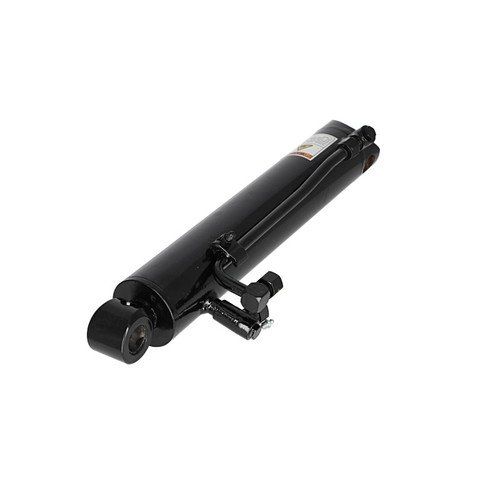
Can tilt cylinders be used in agricultural machinery for field work?
Yes, tilt cylinders can be used in agricultural machinery for field work. These cylinders play a valuable role in enhancing the functionality and productivity of agricultural equipment used for various tasks in the field. Here’s a detailed explanation:
- Implement Control: Tilt cylinders enable precise control of agricultural implements, such as blades, plows, cultivators, and harrows. By adjusting the tilt angle, operators can optimize the implement’s position and orientation for efficient soil preparation, leveling, seedbed creation, and other field work activities. Tilt cylinders provide the necessary force and control to achieve the desired implement tilt, enhancing operational efficiency and effectiveness.
- Contour Following: Tilt cylinders allow agricultural machinery to follow the contours of the field surface. By adjusting the tilt angle of the implement, the equipment can adapt to uneven terrain, ensuring consistent depth and contact with the ground. This contour following capability enhances seed placement accuracy, promotes uniform soil tillage, and reduces the risk of damaging crops or the machinery itself.
- Field Drainage: In field drainage operations, tilt cylinders can be used to adjust the angle of drainage implements, such as scrapers or ditchers. By controlling the tilt of these implements, operators can effectively shape and maintain proper field drainage patterns. Tilt cylinders enable precise and controlled adjustments, ensuring efficient water flow and preventing waterlogging in agricultural fields.
- Crop Residue Management: Tilt cylinders facilitate crop residue management by allowing operators to adjust the angle of implements used for residue incorporation, such as disc harrows or rotary tillers. By optimizing the implement tilt, residue incorporation can be performed effectively, promoting decomposition, weed control, and soil health. Tilt cylinders provide the necessary control to achieve the desired residue management results.
- Integration with Hydraulic Systems: Tilt cylinders are integrated with the hydraulic systems present in agricultural machinery. Hydraulic power is utilized to actuate the cylinders, providing the required force and control for implement adjustment. The hydraulic system allows for responsive and precise movement, enabling operators to adjust the tilt angle according to specific field conditions and requirements.
- Compatibility and Customization: Tilt cylinders are designed to be compatible with different types of agricultural machinery and implement systems. Manufacturers offer tilt cylinders with various specifications, such as different force capacities, stroke lengths, and mounting options, to ensure compatibility and optimal performance. This customization allows for seamless integration and enhances the overall functionality of agricultural machinery.
Therefore, tilt cylinders can be effectively utilized in agricultural machinery for field work. Whether it involves implement control, contour following, field drainage, crop residue management, or other field-related tasks, tilt cylinders provide the necessary force, control, and adaptability to enhance the performance and productivity of agricultural equipment in the field.
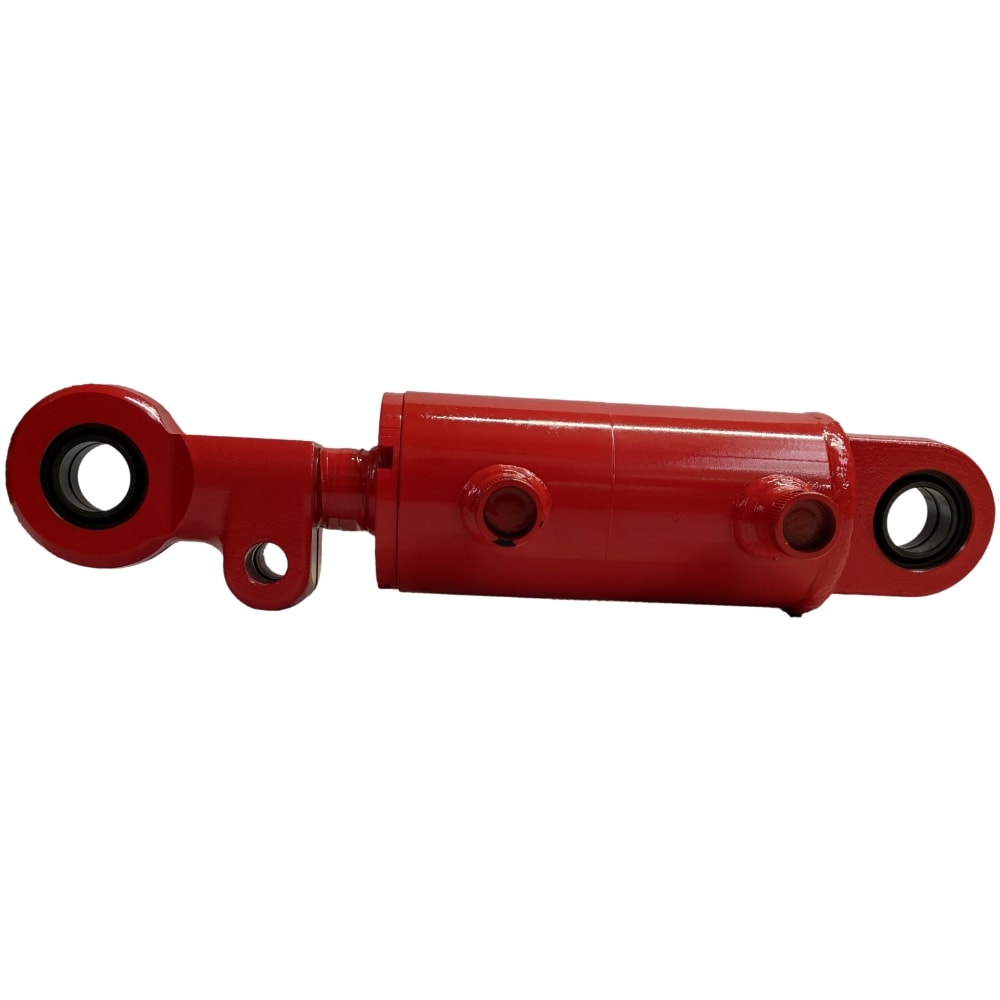
How does a tilt cylinder contribute to energy-efficient equipment operation?
A tilt cylinder plays a significant role in promoting energy-efficient equipment operation. By implementing certain design features and functionalities, tilt cylinders help optimize energy usage and improve overall equipment performance. Here’s a detailed explanation:
- Accurate Control: Tilt cylinders allow for precise control of the angle and position of attachments or implements, such as blades or buckets. This level of control enables operators to perform tasks with greater accuracy, minimizing the need for rework or additional passes. By achieving the desired angle or position on the first attempt, energy consumption is reduced, leading to more efficient equipment operation.
- Reduced Wasted Effort: Tilt cylinders prevent wasted effort by providing operators with the ability to adjust the tilt angle according to the specific requirements of the task at hand. For example, in grading operations, the ability to fine-tune the blade angle ensures that only the necessary amount of soil is moved, avoiding unnecessary exertion and energy expenditure. By minimizing wasted effort, tilt cylinders contribute to energy conservation and more efficient equipment operation.
- Optimized Material Handling: In equipment like excavators, tilt cylinders allow for precise control of the bucket tilt angle during material handling operations. This optimized control ensures that the right amount of material is loaded or dumped, minimizing spillage and unnecessary movements. By reducing material waste and improving handling efficiency, energy consumption is optimized, resulting in energy-efficient equipment operation.
- Hydraulic System Efficiency: Tilt cylinders are part of the hydraulic system in equipment. A well-designed hydraulic system, including the tilt cylinder, ensures efficient power transmission and minimal energy losses. By utilizing advanced hydraulic technologies, such as efficient pumps, valves, and control systems, equipment manufacturers can optimize the energy efficiency of the overall system, including the tilt cylinder’s operation.
- Smart Control Systems: Some modern equipment incorporates smart control systems that integrate with the tilt cylinder. These systems utilize sensors, actuators, and data processing capabilities to optimize equipment operation and energy usage. By analyzing real-time data, such as load conditions, terrain characteristics, and operator inputs, the control system can adjust the tilt cylinder’s operation for maximum energy efficiency while maintaining productivity.
- System Integration and Optimization: Tilt cylinders are designed to integrate seamlessly into the overall equipment system. Manufacturers optimize the interaction between the tilt cylinder, hydraulic system, control systems, and other components to achieve energy-efficient equipment operation. Components are selected and engineered to work together harmoniously, minimizing energy losses and maximizing system performance.
By enabling accurate control, reducing wasted effort, optimizing material handling, contributing to efficient hydraulic systems, incorporating smart control systems, and focusing on system integration and optimization, tilt cylinders significantly contribute to energy-efficient equipment operation. These cylinders play a vital role in enhancing productivity while minimizing energy consumption, promoting sustainability, and reducing operational costs.
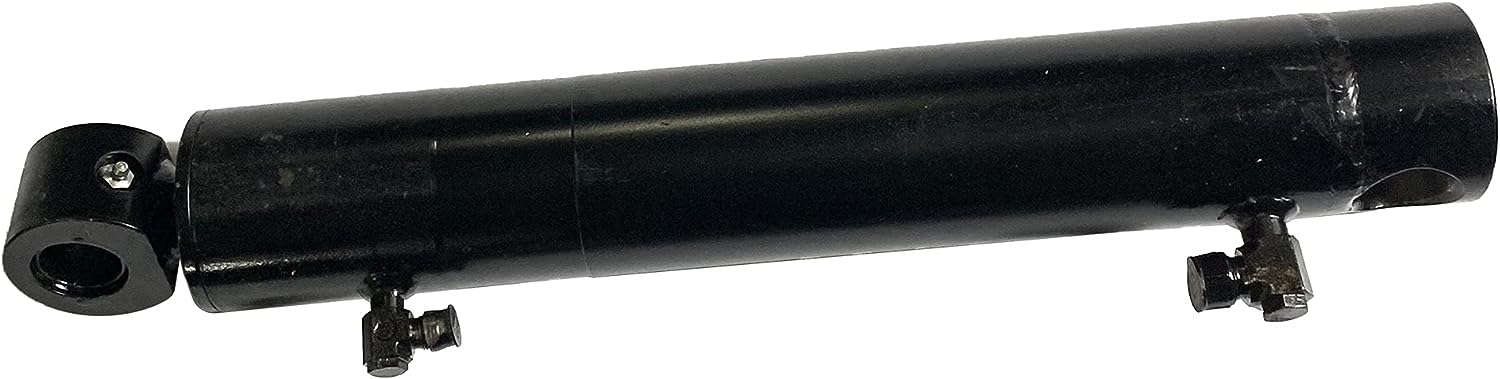
What industries commonly use tilt cylinders in their equipment?
Tilt cylinders find applications in various industries where heavy machinery is utilized. These industries rely on tilt cylinders to enable controlled tilting or angling of components. Here are some industries that commonly use tilt cylinders in their equipment:
- Construction: Tilt cylinders are extensively used in the construction industry. They are employed in equipment such as excavators, bulldozers, backhoes, and loaders. Tilt cylinders allow for precise adjustment of buckets, blades, or attachments, enabling efficient digging, grading, and leveling operations.
- Mining: The mining industry utilizes tilt cylinders in equipment like mining shovels, excavators, and haul trucks. Tilt cylinders play a vital role in controlling the angles of buckets or blades, facilitating efficient digging, loading, and material handling in mining operations.
- Agriculture: In the agricultural sector, tilt cylinders are employed in machinery such as tractors, combine harvesters, and agricultural loaders. They enable the tilting of implements, such as plows or buckets, allowing farmers to adjust the working angle for optimal soil tillage, material handling, or crop harvesting.
- Forestry: Tilt cylinders are used in forestry equipment like feller bunchers, skidders, and loaders. They assist in controlling the tilt of cutting heads, grapples, or blades, enabling precise tree felling, log handling, and forestry operations.
- Material Handling: Industries involved in material handling, such as warehouses, distribution centers, and ports, utilize tilt cylinders in equipment like forklifts, reach stackers, and container handlers. Tilt cylinders allow for the controlled tilting of forks, attachments, or platforms, facilitating efficient loading, unloading, and stacking of goods.
- Waste Management: Tilt cylinders are employed in waste management equipment like garbage trucks, waste compactors, and recycling machinery. They enable controlled tilting of containers, compacting units, or sorting mechanisms, enhancing waste collection, compaction, and recycling processes.
These industries represent a few examples of the sectors that commonly utilize tilt cylinders in their equipment. However, tilt cylinders can also be found in other industries where controlled tilting or angling of components is required to optimize operational efficiency and productivity.
In summary, tilt cylinders are widely used in industries such as construction, mining, agriculture, forestry, material handling, and waste management. These industries rely on tilt cylinders to achieve precise control and adjustment of components, enhancing the performance and versatility of their equipment in various applications.


editor by CX 2023-11-16