.webp)
Product Description
Product Description
| Part Name | Alternator |
| Brand | TOYOTA TCM CHINAMFG KOMATSU LINDE CHINAMFG HANGCHA |
| OEM | 27060-78203-71,27060-78202-71,27060-78201-71 |
| Vehicle Model | 7F/8F/1DZ/2Z |
| Warranty | Three Months |
| Weight | 3.55KG |
| Delivery | 3-5days ZheJiang ,HangZhou PORT |
Company Profile
Handavos International Trading Co.,Ltd focus on forklift spare parts for over 10 years. The factory covers about 30,000 square meters,there are 150 employees.The company is located in HangZhou.The logistics and transportation is very convenient. It is 100 kilometers from ZheJiang Port.
We are one of the Domestic specialized import forklift parts in the wholesalers and retailers. Main products are Engine parts,Hydraulic Parts,Transmission Parts,Electrical Parts,Filter parts,Drive System,Cooling system and Attachments.Our company has more than millions of parts inventory and in HangZhou, ZheJiang , ZheJiang ,HangZhou,Chendu with offices.
Welcome to company to visit and negotiate.
Team Work
Our team is a contingent of younger,better educated,quality efficient and vibrant.There are 50 people in the team.We have first-class products,superior service and high competitive prices and adequate inventory and timely delivery have won the trust of customers.
Where you are ,Handavos provides high quality forklift parts at competitive price with excellent service.
Packaging & Delivery
| Quantity(Sets) | 1 – 100 | >100 |
| Est. Time(days) | 7 | To be negotiated |
/* March 10, 2571 17:59:20 */!function(){function s(e,r){var a,o={};try{e&&e.split(“,”).forEach(function(e,t){e&&(a=e.match(/(.*?):(.*)$/))&&1
| After-sales Service: | Online Support |
|---|---|
| Warranty: | Three Months |
| Material: | Carbon Steel |
| Surface Treatment: | Baking Paint |
| Customized: | Non-Customized |
| Standard: | Standard |
| Customization: |
Available
|
|
|---|
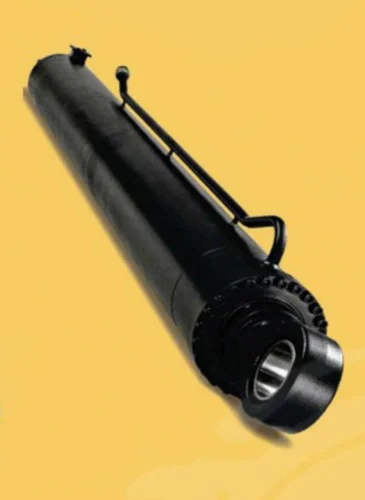
Can tilt cylinders be used in mining equipment for material transport?
Yes, tilt cylinders can be used in mining equipment for material transport. These cylinders play a crucial role in enhancing the functionality and efficiency of mining machinery involved in the movement of materials within mining operations. Here’s a detailed explanation:
- Bed Tilt Control: Tilt cylinders enable control over the tilt angle of the loading or hauling bed in mining equipment such as dump trucks, articulated trucks, and underground mining vehicles. By adjusting the tilt angle, operators can optimize the loading, dumping, and spreading of materials, improving the efficiency of material transport.
- Load Discharge: Tilt cylinders facilitate the discharge of materials from mining equipment. By tilting the bed or container, operators can unload the materials at the desired location, such as stockpiles or processing areas. The precise control provided by tilt cylinders ensures accurate and efficient material discharge, reducing the risk of spillage and improving overall productivity.
- Center of Gravity Management: Tilt cylinders help in managing the center of gravity of mining equipment during material transport. By adjusting the tilt angle, operators can optimize the distribution of weight and maintain stability, especially when navigating uneven or challenging terrains. This center of gravity management enhances safety and control during material transport operations.
- Material Flow Control: Tilt cylinders allow operators to control the flow of materials within mining equipment. By adjusting the tilt angle, they can regulate the rate at which materials are loaded, dumped, or spread. This control over material flow ensures efficient handling, minimizes material loss, and optimizes the utilization of mining equipment.
- Integration with Hydraulic Systems: Tilt cylinders are integrated with the hydraulic systems present in mining equipment. Hydraulic power is utilized to actuate the cylinders, providing the required force and control for bed or container tilt adjustment. The hydraulic system enables responsive and precise movement, allowing operators to position the materials accurately and efficiently.
- Robust Design: Tilt cylinders used in mining equipment are designed to withstand the harsh operating conditions encountered in mining environments. They are engineered to handle heavy loads, extreme temperatures, dust, and debris. The robust design ensures durability, reliability, and long service life, even in demanding mining applications.
Therefore, tilt cylinders can be effectively utilized in mining equipment for material transport. Whether it involves bed tilt control, load discharge, center of gravity management, material flow control, integration with hydraulic systems, or the robust design required for mining operations, tilt cylinders contribute to improving the efficiency, safety, and productivity of material transport within mining sites.
How does a tilt cylinder handle variations in cylinder size and capacity?
A tilt cylinder is designed to handle variations in cylinder size and capacity effectively. It is a versatile component that can accommodate different specifications to meet the specific requirements of various applications. Here’s a detailed explanation:
- Size Flexibility: Tilt cylinders are available in a range of sizes to accommodate different equipment configurations and operating conditions. Manufacturers offer cylinders with varying bore sizes, rod diameters, and stroke lengths. The size flexibility allows for proper integration with diverse machinery and ensures optimal performance based on the specific load and force requirements.
- Force Capacity: Tilt cylinders are designed to handle different force capacities. The force capacity of a cylinder depends on factors such as the hydraulic pressure, cylinder size, and piston area. Manufacturers provide tilt cylinders with varying force ratings, allowing operators to choose the appropriate cylinder based on the equipment’s load and the desired tilt angle adjustment force.
- Load-Bearing Capability: Tilt cylinders are engineered to handle the loads encountered in various applications. They are designed to withstand the forces exerted during equipment operation and maintain structural integrity. The load-bearing capability of a tilt cylinder is determined by factors such as the materials used, cylinder size, and design features. By selecting the appropriate cylinder size and capacity, operators can ensure that the tilt cylinder can handle the specific loads encountered in their application.
- Customization Options: Manufacturers offer customization options for tilt cylinders to cater to specific requirements. This customization includes the ability to adapt the cylinder’s size, capacity, and other parameters to meet the needs of the equipment and application. By collaborating with manufacturers, operators can obtain tilt cylinders that are tailored to their unique specifications, ensuring optimal performance and compatibility.
- Interchangeability: Tilt cylinders are designed to be interchangeable in many cases. Manufacturers often follow industry standards or provide compatible mounting options, allowing operators to replace or upgrade cylinders without significant modifications. This interchangeability simplifies maintenance and replacement processes, enabling operators to adapt the cylinder size and capacity as needed.
Therefore, a tilt cylinder handles variations in cylinder size and capacity through size flexibility, offering different force capacities, providing adequate load-bearing capability, offering customization options, and ensuring interchangeability. These features enable operators to select and install tilt cylinders that are suitable for their specific equipment and application requirements, enhancing the overall functionality and performance of the machinery.
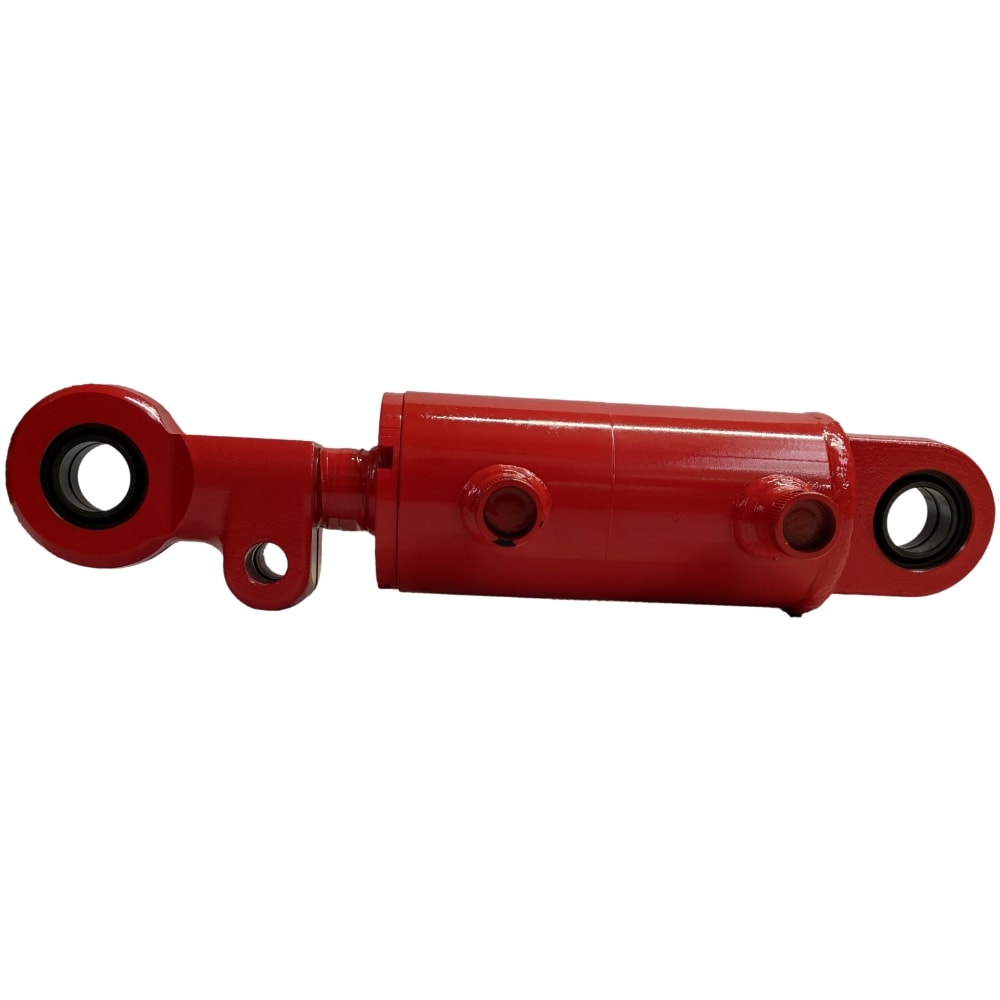
How does a tilt cylinder contribute to energy-efficient equipment operation?
A tilt cylinder plays a significant role in promoting energy-efficient equipment operation. By implementing certain design features and functionalities, tilt cylinders help optimize energy usage and improve overall equipment performance. Here’s a detailed explanation:
- Accurate Control: Tilt cylinders allow for precise control of the angle and position of attachments or implements, such as blades or buckets. This level of control enables operators to perform tasks with greater accuracy, minimizing the need for rework or additional passes. By achieving the desired angle or position on the first attempt, energy consumption is reduced, leading to more efficient equipment operation.
- Reduced Wasted Effort: Tilt cylinders prevent wasted effort by providing operators with the ability to adjust the tilt angle according to the specific requirements of the task at hand. For example, in grading operations, the ability to fine-tune the blade angle ensures that only the necessary amount of soil is moved, avoiding unnecessary exertion and energy expenditure. By minimizing wasted effort, tilt cylinders contribute to energy conservation and more efficient equipment operation.
- Optimized Material Handling: In equipment like excavators, tilt cylinders allow for precise control of the bucket tilt angle during material handling operations. This optimized control ensures that the right amount of material is loaded or dumped, minimizing spillage and unnecessary movements. By reducing material waste and improving handling efficiency, energy consumption is optimized, resulting in energy-efficient equipment operation.
- Hydraulic System Efficiency: Tilt cylinders are part of the hydraulic system in equipment. A well-designed hydraulic system, including the tilt cylinder, ensures efficient power transmission and minimal energy losses. By utilizing advanced hydraulic technologies, such as efficient pumps, valves, and control systems, equipment manufacturers can optimize the energy efficiency of the overall system, including the tilt cylinder’s operation.
- Smart Control Systems: Some modern equipment incorporates smart control systems that integrate with the tilt cylinder. These systems utilize sensors, actuators, and data processing capabilities to optimize equipment operation and energy usage. By analyzing real-time data, such as load conditions, terrain characteristics, and operator inputs, the control system can adjust the tilt cylinder’s operation for maximum energy efficiency while maintaining productivity.
- System Integration and Optimization: Tilt cylinders are designed to integrate seamlessly into the overall equipment system. Manufacturers optimize the interaction between the tilt cylinder, hydraulic system, control systems, and other components to achieve energy-efficient equipment operation. Components are selected and engineered to work together harmoniously, minimizing energy losses and maximizing system performance.
By enabling accurate control, reducing wasted effort, optimizing material handling, contributing to efficient hydraulic systems, incorporating smart control systems, and focusing on system integration and optimization, tilt cylinders significantly contribute to energy-efficient equipment operation. These cylinders play a vital role in enhancing productivity while minimizing energy consumption, promoting sustainability, and reducing operational costs.
Can tilt cylinders be used for both tilting and leveling applications?
Yes, tilt cylinders can be used for both tilting and leveling applications. They are versatile hydraulic components that are designed to provide controlled tilting movements, as well as facilitate leveling operations. Here’s a detailed explanation:
Tilting Applications:
Tilt cylinders are commonly used for tilting applications in various industries. They allow for controlled tilting or angling of components attached to heavy machinery. For example:
- In construction equipment, tilt cylinders enable the adjustment of buckets, blades, or attachments, allowing for precise digging, grading, and leveling of surfaces.
- In mining machinery, tilt cylinders control the angles of buckets or blades, facilitating efficient material handling and excavation.
- In agricultural equipment, tilt cylinders enable the tilting of implements such as plows or buckets, allowing farmers to adjust the working angle for optimal soil tillage or material handling.
- In material handling machinery, tilt cylinders are used to control the tilting of forks, platforms, or attachments, facilitating efficient loading, unloading, and stacking of goods.
Leveling Applications:
In addition to tilting, tilt cylinders can also be used for leveling applications. Leveling involves adjusting the horizontal position or alignment of equipment to ensure even and stable surfaces. Tilt cylinders can assist in leveling operations by:
- Compensating for uneven terrain: Tilt cylinders can be used to adjust the tilt of equipment attachments, compensating for uneven surfaces and maintaining a level position.
- Aligning components: Tilt cylinders can be employed to align or level components such as blades, buckets, or platforms, ensuring consistent and accurate leveling across the working area.
- Providing fine adjustments: The control valves in tilt cylinders allow for precise control of the tilting movement. Operators can make small adjustments to achieve the desired level, ensuring precise leveling.
By utilizing the control capabilities and range of motion of tilt cylinders, operators can effectively perform both tilting and leveling tasks with the same hydraulic component.
In summary, tilt cylinders are versatile and can be used for both tilting and leveling applications. They enable controlled tilting of components in various industries and can also assist in precise leveling operations. The ability to perform both functions makes tilt cylinders valuable hydraulic components in equipment where tilting and leveling are required.


editor by CX 2024-01-30