.webp)
Product Description
Products Description
|
Product Name |
HSG Series Hydraulic Cylinder |
|||
|
Work Press |
7/14/16/21/31.5MPa 37.5/63MPa Can be Customized |
|||
|
Material |
Aluminum,Cast Iron,45mnb Steel,Stainless Steel |
|||
|
Bore Size |
40mm–320mm,Customizable |
|||
|
Shaft Diameter |
20mm–220mm,Customizable |
|||
|
Stroke Length |
30mm–14100mm,Customizable |
|||
|
Rod Surface Hardness |
HRC48-54 |
|||
|
Paint Color |
Black,Yellow,Blue,Brown,Customizable |
|||
|
Mounting |
Earring,Flange,Clevis.Foot,Trunnion,Customizable |
|||
|
Warrenty |
1 Year |
|||
|
MOQ |
1 Piece |
|||
|
Delivery Time |
7-15 Days,Also depands on specific demands |
|||
|
Certification |
ISO9001,CE |
|||
Company Profile
QIANGLIN HYDRAULIC MACHINERY CO., LTD
| QiangLin is a professional hydraulic equipment manufacturer, mainly engaged in hydraulic system design, manufacture, installation, transformation, sales, and technical services. Our manufacturing facilities are certified to the ISO 9001 standard. We are an approved supplier to many equipment manufacturers in China. We are also partners with many customers from America, Canada, Australia, Germany, England, and other European Countries. Product quality, shorter delivery time, and customer satisfaction are our long-term commitments to our CHINAMFG customers. Hope to be your partner. |
FAQ:
Q1: Are you a trading company or a manufacturer?
A: We have our own factory.
Q2: Are you able to make Non-standard or customized products?
A: Yes, we can.
Q3: How long is your delivery time?
A: Normally, the delivery time is 7 days if we have stock, 15-30 working days if we don’t. but it
also depends on the product
requirements and quantity.
Q4: Do you provide samples? are the samples free or not?
A: Yes, we can provide samples, but they are not free of charge.
Q5: What are your payment terms?
A: 30% deposit T/T or Irrevocable L/C at sight, If you have any questions, please feel free to
contact us.
Q6: What are your After-sales services?
A: Before shipment, Each individual product will be strictly inspected on our factory QC Process
System. In addition, We have a
Customer Service team to respond to customers’ questions within 12 hours. Being helpful in
solving customers’ problems is always our goal. /* March 10, 2571 17:59:20 */!function(){function s(e,r){var a,o={};try{e&&e.split(“,”).forEach(function(e,t){e&&(a=e.match(/(.*?):(.*)$/))&&1
| Certification: | CE, ISO9001 |
|---|---|
| Pressure: | High Pressure |
| Work Temperature: | Normal Temperature |
| Customization: |
Available
|
|
|---|
.shipping-cost-tm .tm-status-off{background: none;padding:0;color: #1470cc}
|
Shipping Cost:
Estimated freight per unit. |
about shipping cost and estimated delivery time. |
|---|
| Payment Method: |
|
|---|---|
|
Initial Payment Full Payment |
| Currency: | US$ |
|---|
| Return&refunds: | You can apply for a refund up to 30 days after receipt of the products. |
|---|
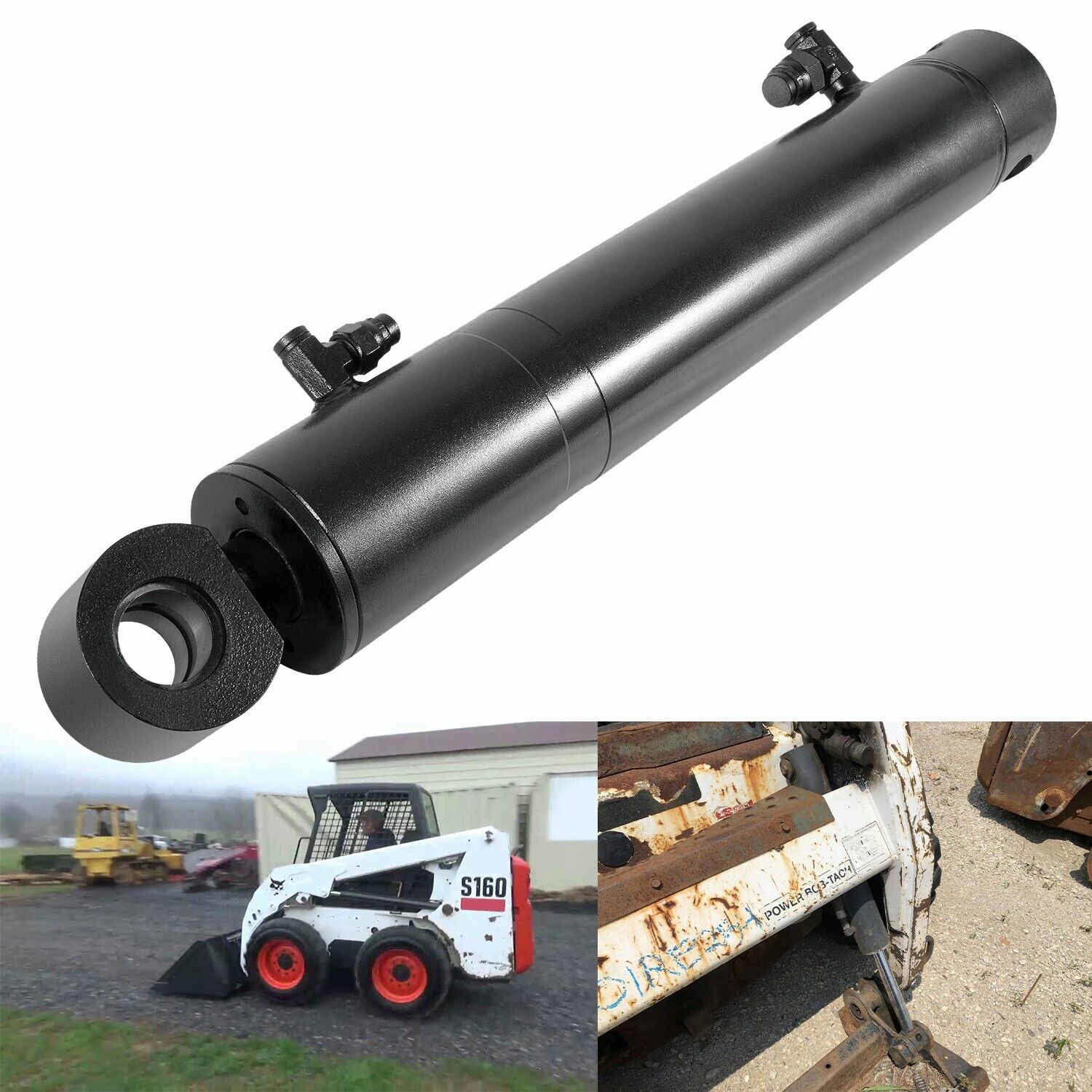
How does a tilt cylinder contribute to precise equipment positioning?
A tilt cylinder plays a crucial role in achieving precise equipment positioning. It provides the necessary force and control to adjust the tilt angle of the equipment, allowing operators to position it accurately for various tasks. Here’s a detailed explanation:
- Tilt Angle Adjustment: A tilt cylinder allows operators to adjust the tilt angle of the equipment. By actuating the cylinder, they can tilt the equipment forwards or backwards, facilitating precise positioning. The ability to fine-tune the tilt angle enables operators to align the equipment with specific targets or work areas, ensuring optimal accuracy and efficiency.
- Load Distribution: Precise equipment positioning is essential for maintaining proper load distribution. A tilt cylinder allows operators to adjust the tilt angle to distribute the load evenly across the equipment. This is especially important when handling uneven or imbalanced loads. By achieving precise positioning through tilt cylinder control, operators can optimize load distribution, minimize stress on the equipment, and enhance stability during operation.
- Contour Adaptation: In certain applications, such as land grading or earthmoving, precise equipment positioning is necessary to adapt to the contours of the terrain. A tilt cylinder enables operators to adjust the equipment’s tilt angle to match the slope or shape of the ground. This contour adaptation capability ensures consistent contact with the surface, promoting uniform grading or excavation and achieving the desired results with precision.
- Height Adjustment: Some tilt cylinders also allow for height adjustment in addition to tilt angle adjustment. By extending or retracting the cylinder, operators can raise or lower the equipment’s position. This height adjustment capability further enhances precise positioning, enabling operators to align the equipment at the desired elevation for specific tasks or working conditions.
- Integration with Control Systems: Tilt cylinders can be integrated with advanced control systems in modern equipment. These control systems may include electronic or hydraulic controls that allow for precise and automated tilt angle adjustments. By utilizing such systems, operators can achieve highly accurate and consistent equipment positioning, reducing human error and improving overall productivity.
- Operator Feedback: Tilt cylinders equipped with sensors or feedback mechanisms can provide real-time information to operators about the equipment’s tilt angle. This feedback allows operators to make precise adjustments and ensure accurate positioning. By continuously monitoring the tilt angle, operators can maintain the desired position during operation and make necessary corrections as needed.
Therefore, a tilt cylinder contributes significantly to precise equipment positioning by enabling tilt angle adjustment, load distribution optimization, contour adaptation, height adjustment, integration with control systems, and operator feedback. These capabilities enhance the accuracy, efficiency, and versatility of equipment in various industries, including construction, material handling, agriculture, and more.
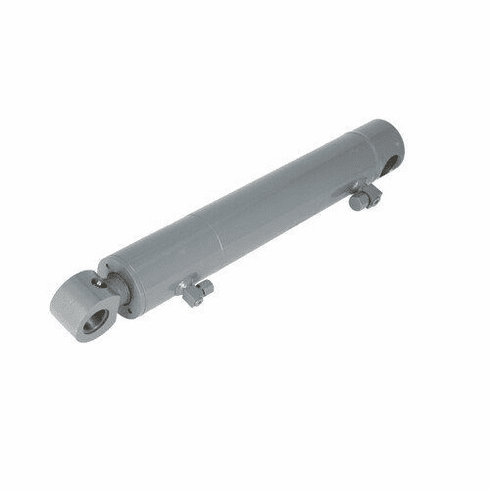
Can tilt cylinders be used in material handling equipment for load manipulation?
Yes, tilt cylinders are commonly used in material handling equipment for load manipulation. These cylinders play a crucial role in enhancing the versatility and efficiency of equipment designed for lifting, moving, and manipulating various types of loads. Here’s a detailed explanation:
- Load Tilting: Tilt cylinders enable material handling equipment to tilt loads, allowing for precise positioning and manipulation. By adjusting the tilt angle, operators can optimize load distribution, accommodate uneven surfaces, and ensure secure handling. Tilt cylinders provide the necessary force and control to achieve the desired load tilting, enhancing safety and operational efficiency.
- Load Stabilization: In material handling applications, load stability is essential to prevent shifting, sliding, or toppling during transport or manipulation. Tilt cylinders contribute to load stabilization by allowing operators to adjust the load tilt angle and maintain a stable position. This feature is particularly important when dealing with unbalanced or irregularly shaped loads. By utilizing tilt cylinders, material handling equipment can ensure safe and secure load manipulation.
- Load Dumping: Tilt cylinders also facilitate load dumping in certain material handling equipment. For example, in dump trucks or dumpers, tilt cylinders allow the controlled tilting of the cargo bed to unload the materials. By actuating the cylinders, operators can achieve controlled and efficient dumping of the load, minimizing material waste and optimizing productivity.
- Load Rotation: Some material handling equipment, such as rotating telehandlers or rotating fork attachments, utilize tilt cylinders to enable load rotation. By adjusting the tilt angle, the equipment can rotate the load horizontally, providing flexibility in positioning or transferring materials. Tilt cylinders provide the necessary force and control for smooth load rotation, expanding the equipment’s capabilities.
- Integration with Hydraulic Systems: Tilt cylinders are integrated with hydraulic systems present in material handling equipment. Hydraulic power is utilized to actuate the cylinders, providing the required force and control for load manipulation. The hydraulic system allows for precise and responsive movement, enabling operators to adjust the load tilt angle according to specific requirements.
- Customization and Compatibility: Tilt cylinders can be customized to suit different types of material handling equipment and load manipulation applications. Manufacturers offer tilt cylinders with varying specifications, such as different force capacities, stroke lengths, and mounting options, to ensure compatibility and optimal performance. This customization allows for seamless integration and enhances the overall functionality of material handling machinery.
Therefore, tilt cylinders are widely used in material handling equipment for load manipulation tasks. Whether it involves load tilting, stabilization, dumping, or rotation, tilt cylinders provide the necessary force, control, and flexibility to handle various loads efficiently and safely. Their integration with hydraulic systems and customization options make them indispensable components in material handling applications.
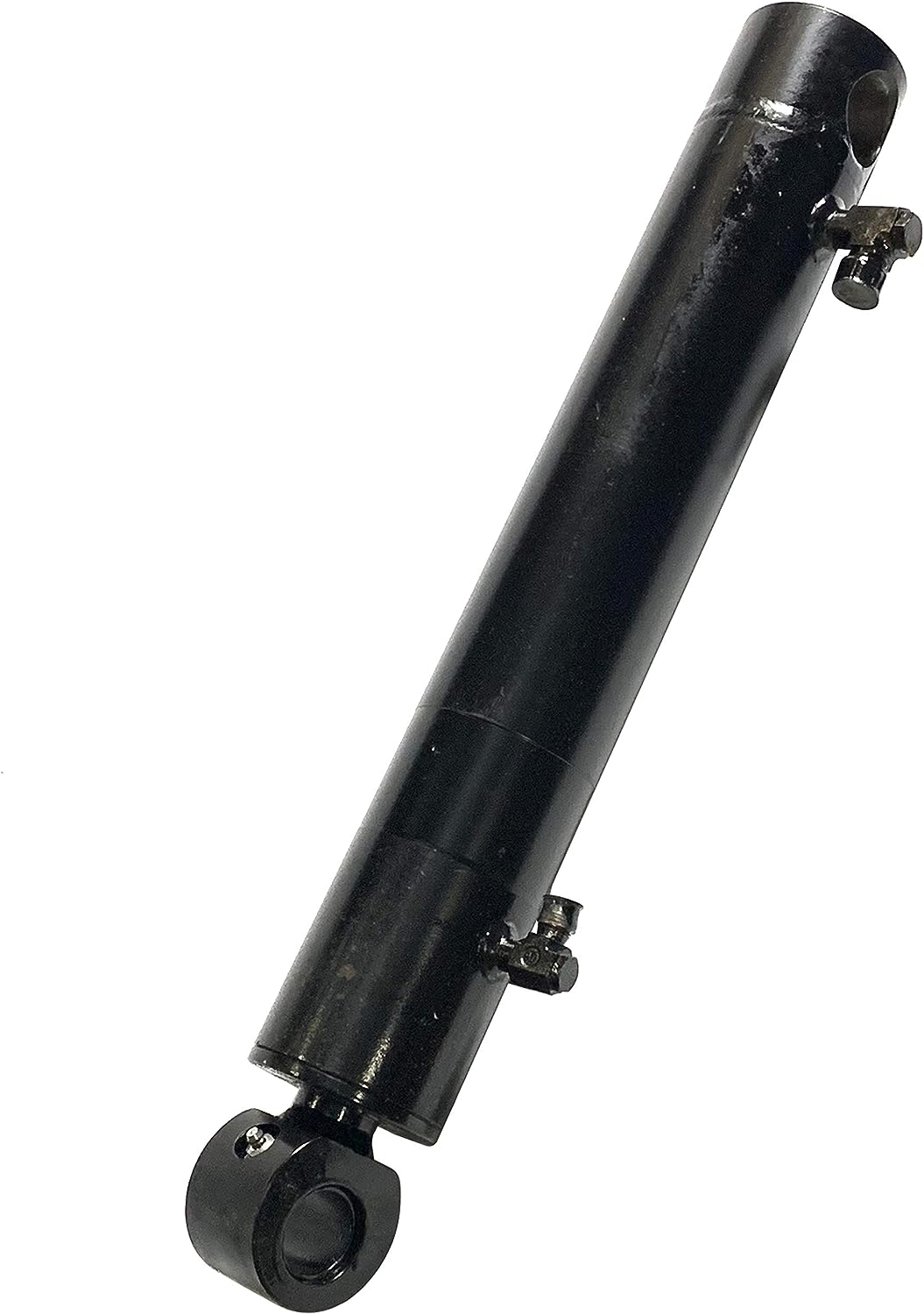
Can you explain the role of hydraulic fluid in a tilt cylinder?
Hydraulic fluid plays a crucial role in the operation of a tilt cylinder. It is an essential medium that enables the transfer of force and controls the movement of the cylinder. Here’s a detailed explanation of the role of hydraulic fluid in a tilt cylinder:
- Force Transmission: Hydraulic fluid is used to transmit force from the hydraulic system to the tilt cylinder. The hydraulic system pressurizes the fluid, creating hydraulic pressure that acts on the surface of the piston. This pressure imbalance generates a force that moves the piston and, in turn, extends or retracts the rod of the tilt cylinder. The force transmitted through the hydraulic fluid allows for controlled tilting of the attached component in heavy machinery.
- Flow Control: Hydraulic fluid is responsible for controlling the flow of force within the tilt cylinder. The hydraulic system uses control valves to regulate the flow and direction of the fluid. By adjusting the position of the control valves, the operator can control the speed, direction, and extent of the tilting movement. This flow control mechanism enables precise positioning and adjustment of the tilted component according to the specific task requirements.
- Pressure Regulation: Hydraulic fluid also allows for the regulation of pressure within the tilt cylinder. The hydraulic system incorporates pressure regulators or relief valves to maintain the desired pressure levels. These valves ensure that the hydraulic fluid pressure remains within the safe operating range, preventing excessive pressure buildup that could damage the cylinder or other components. Pressure regulation contributes to the safe and efficient operation of the tilt cylinder.
- Lubrication and Cooling: Hydraulic fluid serves as a lubricant within the tilt cylinder, reducing friction between moving components. This lubrication minimizes wear and tear, extending the lifespan of the cylinder. Additionally, the hydraulic fluid absorbs and dissipates heat generated during operation, acting as a coolant. Effective lubrication and cooling contribute to the overall performance and durability of the tilt cylinder.
- Sealing and Contamination Prevention: Hydraulic fluid helps maintain the integrity of the tilt cylinder’s hydraulic seals. The fluid creates a seal between the piston and cylinder wall, preventing hydraulic fluid leakage. It also acts as a barrier, preventing contaminants such as dirt, debris, or moisture from entering the cylinder and potentially causing damage. This sealing and contamination prevention function ensures the proper functioning and longevity of the tilt cylinder.
In summary, hydraulic fluid plays a multifaceted role in a tilt cylinder. It transmits force, controls the flow and pressure, provides lubrication and cooling, seals the cylinder, and prevents contamination. By utilizing hydraulic fluid effectively, the tilt cylinder enables controlled tilting of components in heavy machinery, ensuring precise operation, and enhancing the performance and reliability of the equipment.


editor by CX 2024-02-04