.webp)
Product Description
This hydraulic cylinder is specially designed for high-end agricultural machinery.
It is the first choice for the manufacturer of high-end agricultural machinery.
| Model | Bore Diameter (mm) |
Rod Diameter (mm) |
Stroke (mm) |
Nominal Pressure (bar) |
| HSG50/40-75*342-00 | 50 | 40 | 75 | 21 |
/* March 10, 2571 17:59:20 */!function(){function s(e,r){var a,o={};try{e&&e.split(“,”).forEach(function(e,t){e&&(a=e.match(/(.*?):(.*)$/))&&1
| Certification: | ISO9001 |
|---|---|
| Pressure: | High Pressure |
| Work Temperature: | Normal Temperature |
| Acting Way: | Double Acting |
| Working Method: | Straight Trip |
| Adjusted Form: | Regulated Type |
| Customization: |
Available
|
|
|---|
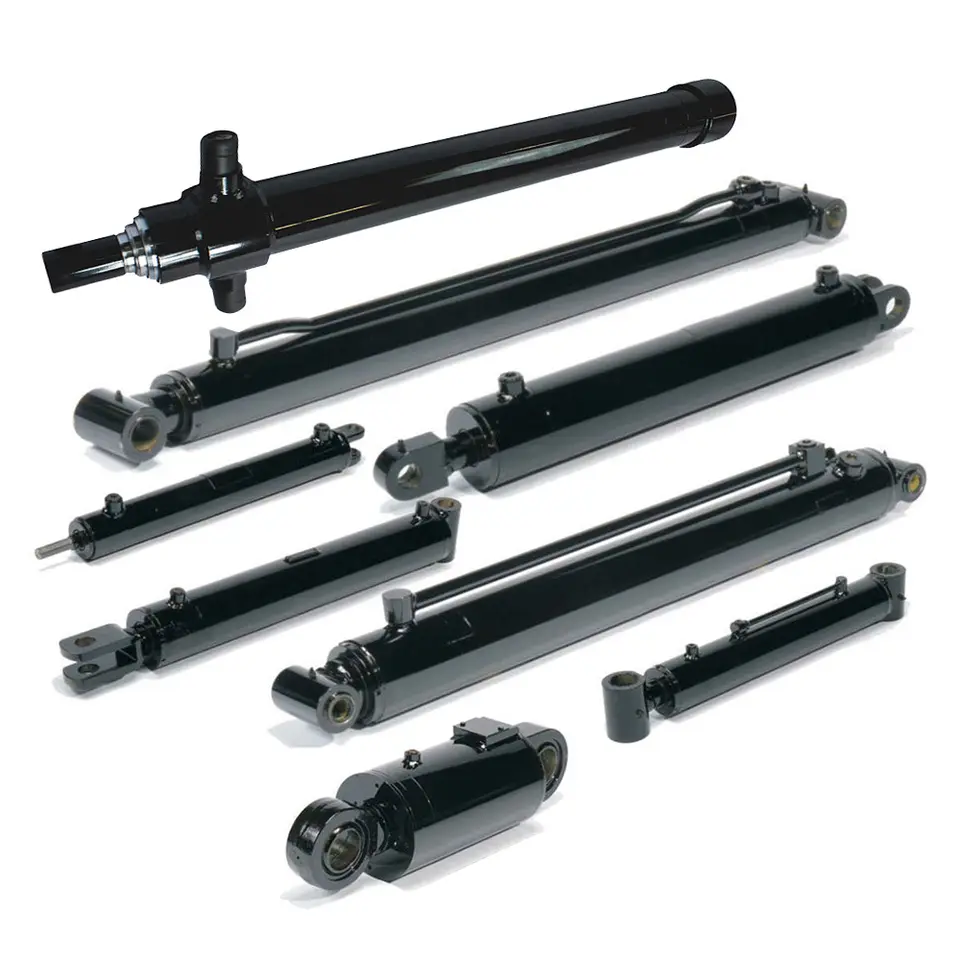
How does a forklift hydraulic cylinder handle variations in fluid pressure?
A forklift hydraulic cylinder is designed to handle variations in fluid pressure and maintain consistent performance. Here’s an explanation of how it accomplishes this:
The hydraulic cylinder’s ability to handle variations in fluid pressure is primarily attributed to its internal design and the use of various components:
1. Cylinder Construction:
The cylinder barrel, which houses the piston and seals, is designed to withstand high-pressure conditions. It is typically made of durable materials such as high-strength steel to ensure structural integrity and prevent leakage or deformation.
2. Sealing Mechanisms:
The hydraulic cylinder incorporates seals at key points to prevent fluid leakage and maintain pressure. These seals, typically made of rubber or other elastomeric materials, create a tight barrier between the piston and cylinder barrel. They are designed to withstand variations in pressure and provide reliable sealing performance.
3. Pressure Relief Mechanisms:
In situations where there are sudden increases in fluid pressure, hydraulic cylinders may be equipped with pressure relief mechanisms. These mechanisms allow excess pressure to be released, preventing damage to the cylinder or other hydraulic system components. Pressure relief valves or similar devices are commonly used for this purpose.
4. Hydraulic Fluid Properties:
The hydraulic fluid itself plays a role in handling pressure variations. The fluid is carefully selected based on its viscosity, stability, and ability to withstand pressure changes. It is essential to use hydraulic fluids that are specifically formulated for the operating conditions and pressure requirements of the forklift hydraulic system.
5. Control Valves:
The forklift’s hydraulic system includes control valves that regulate the flow and direction of hydraulic fluid. These valves allow the operator to control the pressure and flow rate within the hydraulic cylinder, ensuring safe and efficient operation even during pressure variations.
By incorporating these design elements and components, a forklift hydraulic cylinder can effectively handle variations in fluid pressure. The robust cylinder construction, sealing mechanisms, pressure relief mechanisms, appropriate hydraulic fluid selection, and control valves work together to maintain consistent performance and prevent any adverse effects caused by pressure fluctuations.
In summary, a forklift hydraulic cylinder is specifically designed to handle variations in fluid pressure. Through its construction, sealing mechanisms, pressure relief mechanisms, hydraulic fluid properties, and control valves, the cylinder ensures reliable and consistent performance even under changing pressure conditions.
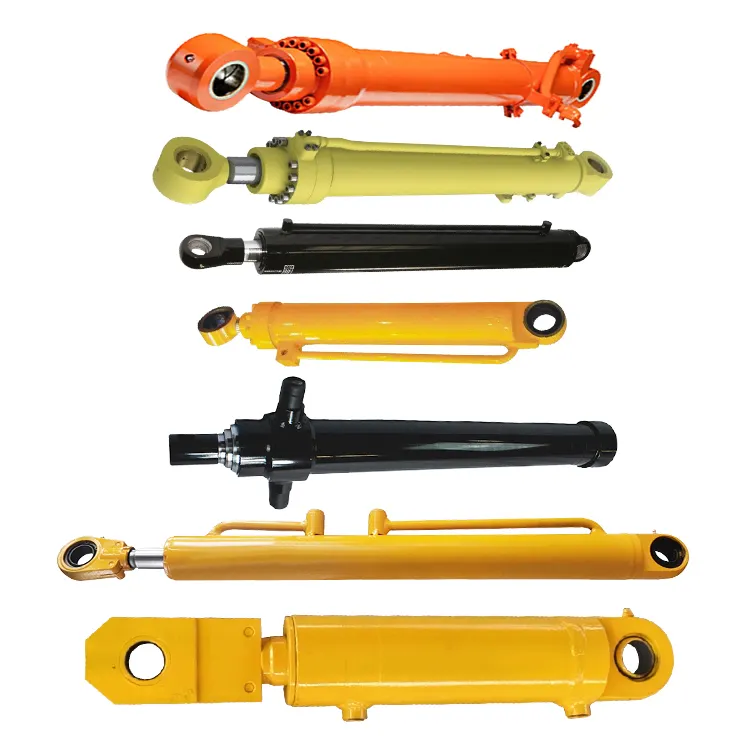
How does a forklift hydraulic cylinder contribute to load handling precision?
A forklift hydraulic cylinder plays a significant role in achieving precise load handling. Here’s an explanation of how it contributes to load handling precision:
The hydraulic cylinder contributes to load handling precision in the following ways:
1. Controlled Lifting and Lowering:
The hydraulic cylinder enables controlled lifting and lowering of the forks or attachment. By adjusting the hydraulic pressure and flow, the operator can smoothly and precisely raise or lower the load. This control allows for accurate positioning of the forks and precise handling of the load, minimizing the risk of damage or accidents.
2. Variable Speed Control:
Forklift hydraulic cylinders offer variable speed control during lift and tilt operations. The operator can adjust the hydraulic flow rate to control the speed at which the forks or attachment move. This variable speed control allows for fine adjustments and precise positioning of the load, even in delicate or sensitive handling situations.
3. Load Balancing:
The hydraulic cylinder contributes to load balancing, which is crucial for precise load handling. By adjusting the extension or retraction of the cylinder, the operator can maintain a proper balance between the load and the forklift. This balance ensures stability and control during lifting, lowering, and transport, enhancing load handling precision.
4. Fork Positioning:
Hydraulic cylinders are responsible for controlling the positioning of the forks or attachment. By extending or retracting the cylinders, the operator can adjust the horizontal position of the forks, aligning them with the load or pallet. This precise fork positioning allows for accurate entry into pallets or containers, ensuring efficient load handling.
5. Attachment Control:
In forklifts with specialized attachments, hydraulic cylinders contribute to precise control of the attachment’s movements. Whether it’s a side shift, fork positioner, or rotating attachment, the hydraulic cylinder enables accurate adjustments and alignment of the attachment to the load. This precise attachment control enhances load handling precision, especially when dealing with unique or challenging load configurations.
In summary, a forklift hydraulic cylinder contributes to load handling precision through controlled lifting and lowering, variable speed control, load balancing, fork positioning, and attachment control. These factors work together to provide operators with the ability to handle loads with accuracy, control, and efficiency.
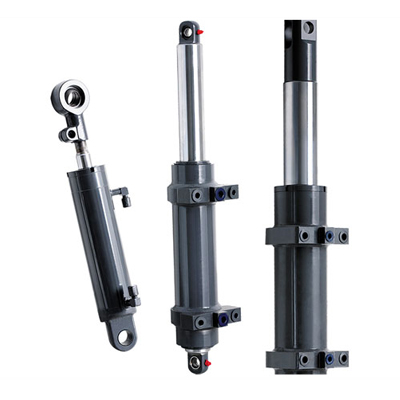
How does a forklift hydraulic cylinder assist in lifting loads?
A forklift hydraulic cylinder plays a critical role in assisting the lifting of loads. Here’s a detailed explanation of how it works:
When a forklift needs to lift a load, the hydraulic cylinder generates the necessary force to raise the load to the desired height. Here’s a step-by-step process of how the hydraulic cylinder assists in lifting loads:
1. Hydraulic Pressure:
When the operator activates the hydraulic controls of the forklift, hydraulic pressure is generated in the hydraulic system. This pressure is typically created by a hydraulic pump, which pressurizes the hydraulic fluid (usually oil) in the system.
2. Hydraulic Fluid Flow:
The pressurized hydraulic fluid is directed to the hydraulic cylinder through control valves and hoses. The fluid enters the cylinder through the inlet port, filling one side of the cylinder.
3. Piston and Piston Rod Extension:
As the pressurized hydraulic fluid enters the cylinder, it acts on one side of the piston. The force exerted by the fluid pushes the piston and the connected piston rod upward.
4. Load Lifting:
As the piston rod extends, it transfers the force to the load-bearing structure of the forklift, such as the mast assembly. The force exerted by the hydraulic cylinder enables the forklift to lift the load off the ground.
5. Load Stability:
The hydraulic cylinder assists in maintaining load stability during the lifting process. The controlled extension of the cylinder allows for smooth and precise lifting, reducing the chances of load tilting or instability.
6. Load Holding:
Once the load reaches the desired height, the hydraulic system can hold the load in place using a valve or a locking mechanism. This ensures that the load remains securely lifted until the operator decides to lower it.
The hydraulic cylinder’s ability to generate a significant amount of force allows forklifts to lift heavy loads efficiently. By controlling the flow of hydraulic fluid and adjusting the cylinder’s extension, the operator can precisely control the lifting speed and height.
In summary, a forklift hydraulic cylinder assists in lifting loads by utilizing hydraulic pressure to extend the piston and piston rod, transferring force to the load-bearing structure of the forklift. This hydraulic force enables the forklift to lift heavy loads, and the controlled extension of the cylinder ensures load stability and precise lifting capabilities.


editor by CX 2024-02-11