
Product Description
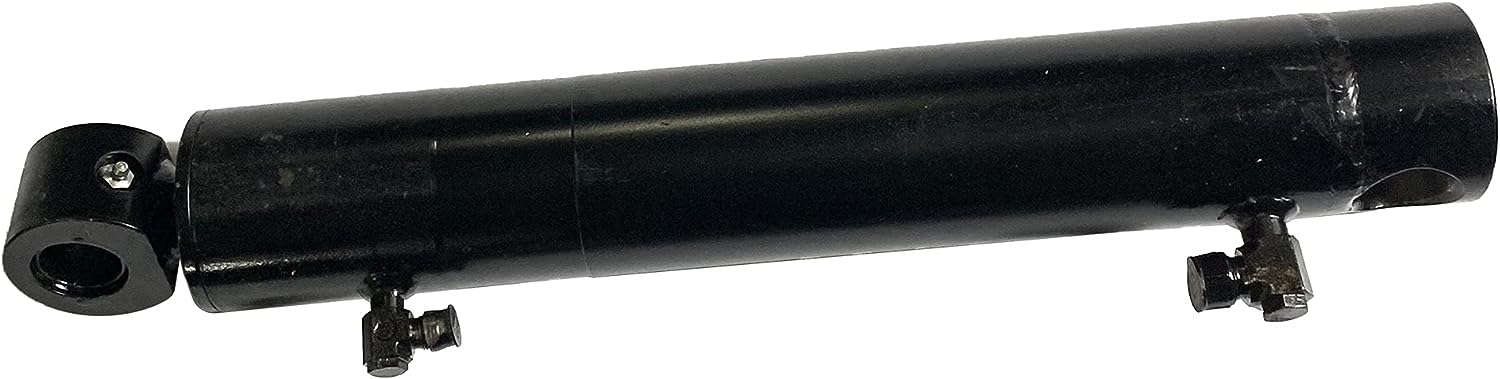
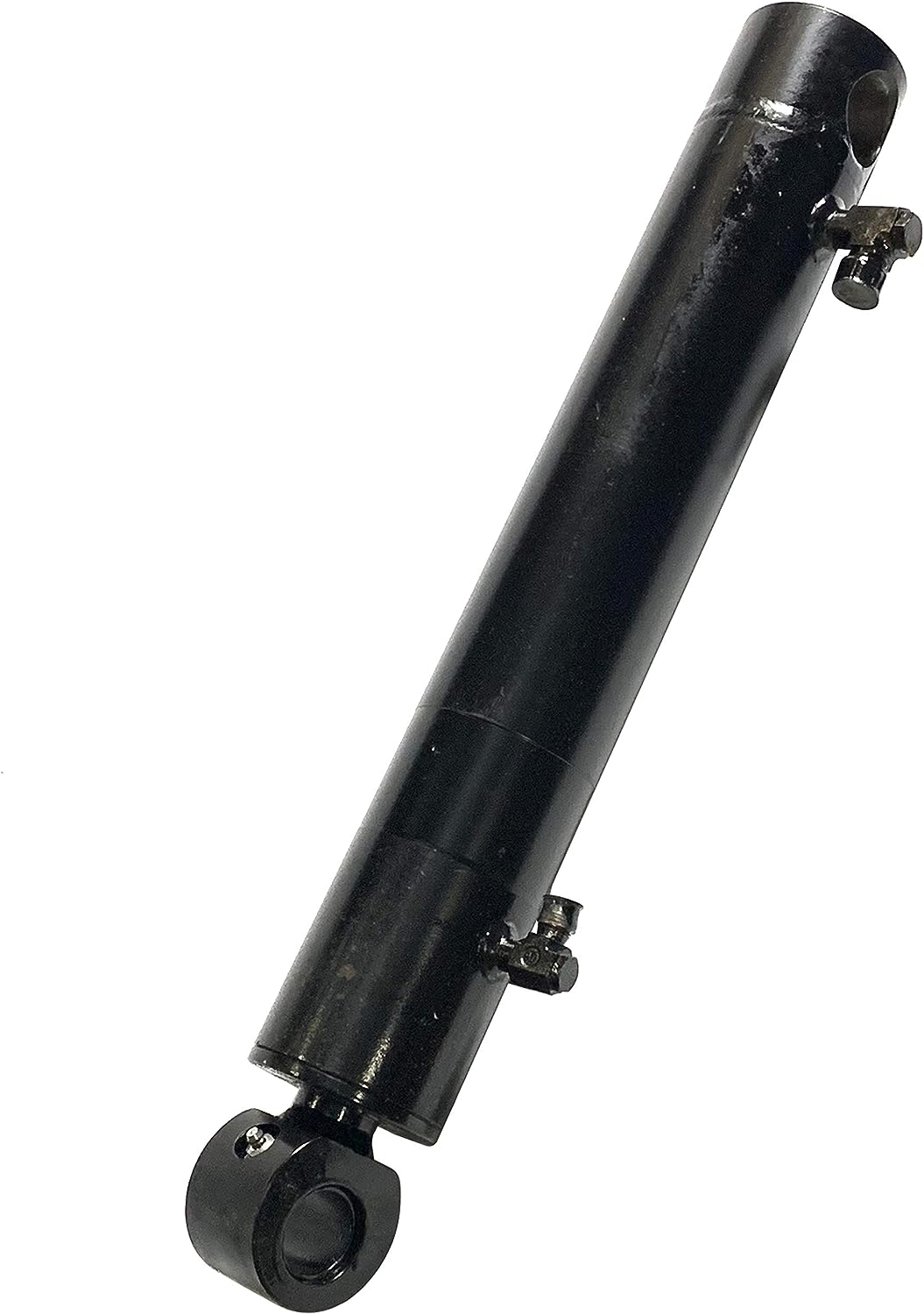
Economical Custom Design 22kg hydraulic Forklift Tilt Cylinder 18.1MPa
A tilt cylinder in a forklift is a hydraulic component that enables the mast and forks tilting motion. It allows the operator to adjust the angle of the forks to accommodate different load-handling requirements.
| bore diameter (D) | rod diameter (d) | stroke (S) | Installation distance (L) | working pressure | Interface dimensions (M) | weight |
| Φ100 | Φ40 | 193 | 498 | 18.1MPa | 2-M16*1.5 | 22kg |
(1) Our company can customize non-standard oil cylinders within the range of cylinder diameter D360MM and stroke L6000MM according to customer requirements;
(2) The above product prices are nontax unit prices, excluding packaging and transportation costs required for the export
Here are some key points about the tilt cylinder in a forklift:
-
Function: The tilt cylinder controls the tilting movement of the mast and forks. It allows the operator to tilt the forks CHINAMFG or backward, enabling efficient lifting, transporting, and depositing of loads.
-
Hydraulic Power: The tilt cylinder relies on the forklift’s hydraulic system for power. When the operator activates the tilt control lever, hydraulic fluid is directed to the tilt cylinder, causing it to extend or retract and initiate the tilting motion.
-
Construction: Forklift tilt cylinders are typically double-acting hydraulic cylinders. They consist of a cylindrical barrel, a piston rod, and seals to prevent fluid leakage. The cylinder is mounted on the forklift’s mast and connected to the carriage or tilting mechanism. The piston rod extends and retracts within the cylinder barrel, allowing the mast and forks to tilt.
-
Control: The operator controls the tilt cylinder using a control lever or joystick located in the forklift’s operator compartment. By manipulating the control lever, the operator can activate the hydraulic system to extend or retract the tilt cylinder, thereby adjusting the tilt angle of the forks.
-
Safety Features: Forklifts are equipped with safety features related to the tilt cylinder operation. These may include tilt speed control, load backrests, and tilt lock mechanisms to prevent unintentional tilting or ensure the forks remain fixed during transport.
-
Maintenance: Regular maintenance and inspection of the tilt cylinder are essential to ensure its proper functioning. This includes checking for leaks, verifying the condition of seals, and maintaining the hydraulic fluid at the recommended level and quality. Any signs of damage or malfunction should be addressed promptly to prevent equipment downtime and ensure safe operation.
How To Maintain Tilt Cylinder Forklift?
-
Regular Inspection: Regularly visually inspect the tilt cylinder to identify any signs of damage, wear, or leaks. Look for fluid leaks around the cylinder, damaged seals, or dents or cracks in the cylinder barrel or piston rod. If any issues are detected, they should be addressed promptly.
-
Lubrication: Follow the manufacturer’s recommendations for lubrication of the tilt cylinder. Some cylinders may require periodic greasing or lubrication at specific points. Ensure that the lubricant is compatible with the cylinder’s materials and seals.
-
Hydraulic Fluid: Monitor the hydraulic fluid level and quality. Check the liquid status regularly and top it up as needed. Inspect the hydraulic fluid for contamination, such as dirt, debris, or water. If the fluid appears contaminated or has been used for an extended period, consider replacing it according to the manufacturer’s guidelines.
-
Seals and Gaskets: Inspect the seals and gaskets of the tilt cylinder for any signs of wear, damage, or leakage. Replace any worn or damaged seals promptly to prevent fluid leaks and ensure the proper functioning of the cylinder.
-
Operation and Safety: Train operators on proper forklift operation techniques, including correctly using the tilt cylinder. Encourage operators to avoid excessive or abrupt tilting motions, as they can strain the cylinder and other components. Also, ensure that the forklift’s safety features related to the tilt cylinder, such as tilt speed control or lock mechanisms, function correctly.
-
Professional Maintenance: Schedule regular maintenance by trained technicians or follow the recommended maintenance intervals provided by the forklift manufacturer. Professional care can include more in-depth inspections, testing of hydraulic pressures, and overall system checks to ensure the tilt cylinder is operating as intended.
-
Documentation: Maintain records of maintenance activities performed on the tilt cylinder. This helps track maintenance history, identify recurring issues, and perform maintenance at the recommended intervals.
Our Company
We have a first-class independent R&D platform for assembly. The forklift cylinder production workshop has 4 semi-automatic lifting cylinder assembly lines and 1 fully automatic tilting cylinder assembly line, with a designed annual production capacity of 1 million pieces; the special cylinder workshop is equipped with semi-automatic cleaning and assembly systems of various specifications, with a designed annual production capacity of 200,000 essays. It has famous CNC machining equipment, machining centers, special equipment for high-precision cylinder processing, robot welding machines, automatic cleaning machines, automatic cylinder assembly machines, and automatic paint production lines. We have more than 300 sets of critical equipment running. The optimized allocation and efficient utilization of equipment resources ensure the precision requirements of the products and meet the high standard quality requirements of the products.
|
Forklift cylinder assembly shop |
Other types of cylinder assembly shop |
Welding
Painting & coating
|
Painting & coating line |
Fully automatic water-based |
Testing
To further improve product performance, and establish the leadership position of our hydraulic cylinder in the industry, our company and zjimee jointly established a Comprehensive performance laboratory of hydraulic cylinders, hydraulic valves, and hydraulic pumps; the lab is computer-assisted testing, using electro-hydraulic control technology, the test conditions preset by computer, which improves the test accuracy and system versatility, and the experimental data.
The automatic collection is realized through the application of sensors, and the output data, such as the internal leakage and load efficiency of the cylinder or the valve, are directly processed by the
computer and converted to standard units (ml/min; %). At the same time, to ensure the working safety of the hydraulic system, the state monitoring function is carried out for key performance parameters, such as “oil temperature monitoring, liquid level monitoring, filter device monitoring,” etc. Among them, the hydraulic cylinder test stand can test the performance of “load efficiency” and “internal leakage” by readings. At the same time, it is equipped with a grating ruler measuring instrument, which meets the requirements of all test items of hydraulic cylinder products in the national standard
Our Factory
Packaging & Shipping
| Certification: | GS, RoHS, CE, ISO9001 |
|---|---|
| Pressure: | Medium Pressure |
| Work Temperature: | Normal Temperature |
| Acting Way: | Double Acting |
| Working Method: | Rotary |
| Adjusted Form: | Regulated Type |
Can tilt cylinders be used in aerial work platforms for platform tilting?
Yes, tilt cylinders can be used in aerial work platforms for platform tilting. These cylinders play a crucial role in enabling safe and controlled tilting of the platform, providing several benefits that enhance the functionality and versatility of aerial work platforms. Here’s a detailed explanation:
- Platform Angle Adjustment: Tilt cylinders allow for precise adjustment of the platform angle in aerial work platforms. Operators can control the tilt angle of the platform, allowing for optimal positioning and alignment during work tasks. Whether it involves reaching specific heights, accessing hard-to-reach areas, or accommodating uneven surfaces, the ability to adjust the platform angle enhances the efficiency and effectiveness of work performed on aerial platforms.
- Stability and Safety: Tilt cylinders contribute to the stability and safety of aerial work platforms during platform tilting. They are designed to provide smooth and controlled movement, minimizing platform vibrations or sudden shifts that could compromise operator safety or stability. The cylinders work in conjunction with other safety features, such as stabilizers or outriggers, to ensure that the platform remains stable and secure during tilting operations.
- Load Distribution: Tilt cylinders assist in proper load distribution on the platform. By adjusting the tilt angle, operators can distribute the weight of equipment, tools, or materials more evenly across the platform. This balanced load distribution helps prevent excessive stress on the platform structure and components, enhancing overall stability and safety during work tasks.
- Operator Comfort and Ergonomics: Tilt cylinders contribute to operator comfort and ergonomics in aerial work platforms. By allowing platform tilting, operators can adjust the platform to a more comfortable working position. This reduces operator fatigue and strain, particularly during prolonged work tasks. The ability to customize the platform angle also improves visibility and accessibility, ensuring that operators can work efficiently and safely.
- Enhanced Functionality: Tilt cylinders add versatility and functionality to aerial work platforms. They enable the platform to adapt to various work scenarios and requirements. Whether it involves working on inclines, around obstacles, or at different elevations, the platform tilting capability provided by tilt cylinders allows for greater adaptability and operational flexibility.
- Integration with Control Systems: Tilt cylinders can be integrated with control systems in aerial work platforms. This integration enables precise and automated control of the platform tilting function. Operators can utilize control panels or joysticks to adjust the platform angle, ensuring accurate positioning and enhanced operational efficiency.
Therefore, tilt cylinders can be effectively utilized in aerial work platforms for platform tilting, offering benefits such as platform angle adjustment, stability and safety, load distribution optimization, operator comfort and ergonomics, enhanced functionality, and integration with control systems. These features contribute to the overall performance and usability of aerial work platforms, enabling operators to work efficiently and safely at elevated heights or challenging work environments.
Can tilt cylinders be used in both mobile and stationary machinery?
Yes, tilt cylinders can be used in both mobile and stationary machinery. They are versatile components that find application in various types of equipment across different industries. Here’s a detailed explanation:
- Mobile Machinery: Tilt cylinders are commonly used in mobile machinery, such as construction equipment, agricultural machinery, mining vehicles, and forestry equipment. In these applications, tilt cylinders enable the adjustment of attachments or implements, allowing operators to achieve the desired angle or position. For example, in construction excavators, tilt cylinders enable the tilting of the bucket to precisely control the excavation or material handling process. The ability to tilt attachments enhances the versatility and performance of mobile machinery in different job site conditions.
- Stationary Machinery: Tilt cylinders are also utilized in stationary machinery, including industrial presses, material handling systems, hydraulic presses, and waste compactors. In these applications, tilt cylinders provide controlled tilting or positioning of components or workpieces. For instance, in industrial presses, tilt cylinders facilitate the tilting of the press bed or ram, enabling precise alignment and adjustment for various manufacturing processes. Stationary machinery benefits from tilt cylinders by enhancing operational efficiency, accuracy, and adaptability to different work requirements.
- Interchangeability: One of the advantages of tilt cylinders is their interchangeability between different types of machinery. Tilt cylinders are typically designed to be easily attached and detached, allowing for convenient installation and removal. This interchangeability enables equipment manufacturers and operators to utilize tilt cylinders across a range of machinery, providing flexibility and cost-effectiveness.
- Customization: Tilt cylinders can be customized to suit specific mobile or stationary machinery requirements. Manufacturers can design and manufacture tilt cylinders with varying force capacities, stroke lengths, mounting options, and other specifications to meet the unique needs of different equipment. This customization ensures optimal performance and compatibility with diverse machinery applications.
- Industry Applications: Tilt cylinders find applications in a wide range of industries, including construction, agriculture, mining, forestry, manufacturing, waste management, and more. Their versatility makes them suitable for different equipment types, such as excavators, loaders, dozers, cranes, presses, and compactors. Tilt cylinders contribute to improved functionality, productivity, and safety in these industries, irrespective of whether the machinery is mobile or stationary.
Therefore, tilt cylinders are adaptable components that can be used in both mobile and stationary machinery. Their versatility, interchangeability, customization options, and wide industry applications make them valuable for achieving controlled tilting and enhancing performance in various equipment types.
What industries commonly use tilt cylinders in their equipment?
Tilt cylinders find applications in various industries where heavy machinery is utilized. These industries rely on tilt cylinders to enable controlled tilting or angling of components. Here are some industries that commonly use tilt cylinders in their equipment:
- Construction: Tilt cylinders are extensively used in the construction industry. They are employed in equipment such as excavators, bulldozers, backhoes, and loaders. Tilt cylinders allow for precise adjustment of buckets, blades, or attachments, enabling efficient digging, grading, and leveling operations.
- Mining: The mining industry utilizes tilt cylinders in equipment like mining shovels, excavators, and haul trucks. Tilt cylinders play a vital role in controlling the angles of buckets or blades, facilitating efficient digging, loading, and material handling in mining operations.
- Agriculture: In the agricultural sector, tilt cylinders are employed in machinery such as tractors, combine harvesters, and agricultural loaders. They enable the tilting of implements, such as plows or buckets, allowing farmers to adjust the working angle for optimal soil tillage, material handling, or crop harvesting.
- Forestry: Tilt cylinders are used in forestry equipment like feller bunchers, skidders, and loaders. They assist in controlling the tilt of cutting heads, grapples, or blades, enabling precise tree felling, log handling, and forestry operations.
- Material Handling: Industries involved in material handling, such as warehouses, distribution centers, and ports, utilize tilt cylinders in equipment like forklifts, reach stackers, and container handlers. Tilt cylinders allow for the controlled tilting of forks, attachments, or platforms, facilitating efficient loading, unloading, and stacking of goods.
- Waste Management: Tilt cylinders are employed in waste management equipment like garbage trucks, waste compactors, and recycling machinery. They enable controlled tilting of containers, compacting units, or sorting mechanisms, enhancing waste collection, compaction, and recycling processes.
These industries represent a few examples of the sectors that commonly utilize tilt cylinders in their equipment. However, tilt cylinders can also be found in other industries where controlled tilting or angling of components is required to optimize operational efficiency and productivity.
In summary, tilt cylinders are widely used in industries such as construction, mining, agriculture, forestry, material handling, and waste management. These industries rely on tilt cylinders to achieve precise control and adjustment of components, enhancing the performance and versatility of their equipment in various applications.


editor by CX 2023-11-14