
Product Description
Product Description
Y-HG1 Metallurgical Hydraulic Cylinde
The Y-HG1 standard hydraulic cylinder for metallurgical equipment is a double-acting single-piston-rod hydraulic cylinder, with a cylinder diameter ranging from 40 to 320mm, a total of 17 specifications, a rated pressure of 16MPa, and a buffer device. This series of hydraulic cylinders has 13 installation and connection types. Except for the axial tripod type, the installation and connection dimensions are all in line with the requirements of ISO6571/1-1981. The rod end thread also conforms to the requirements of GB2350-80. It is suitable for metallurgical equipment whose working temperature is -30ºC~+80ºC, working medium is hydraulic oil and emulsion (not suitable for phosphate ester).
Product Parameters
Cylinder Parameters
| Way of action | Double acting /Single acting | |||
| M Pa Pressure level | 0-16MPa | 16-21MPa | 21-25MPa | 25-40MPa |
| Cylinder D. range | Φ40~Φ1500mm | |||
| Travel range: | 0~≤15m | |||
| Ambient temperature: | -20ºC~+80ºC, +80ºC~+350ºC | |||
| Work medium | Anti-wear hydraulic oil Water glycol fire resistant hydraulic oil |
|||
| Cylinder head form | Thread connection Flange connection |
|||
| Installation form | earring connection | pin connection | Flange connection | Tripod connection |
Cylinder Details Description
Product name:Y-HG1-E8O-40×320LZ2-HL1
Action type:Double action sinlge rod
Cylinder bore diameter:80mm
Piston rod diameter:40mm
Cylinder stroke:320mm
Working pressure:160bar
Pushing force:8tons
pulling force:6tons
Working temperature:-20~80ºC
Mounting type:Middle clevis mounting
Cylinder materials:45 steel
Seal kits:Combine Seal Kits
Detailed Photos
/* October 22, 2571 15:47:17 */(()=>{function d(e,r){var a,o={};try{e&&e.split(“,”).forEach(function(e,t){e&&(a=e.match(/(.*?):(.*)$/))&&1
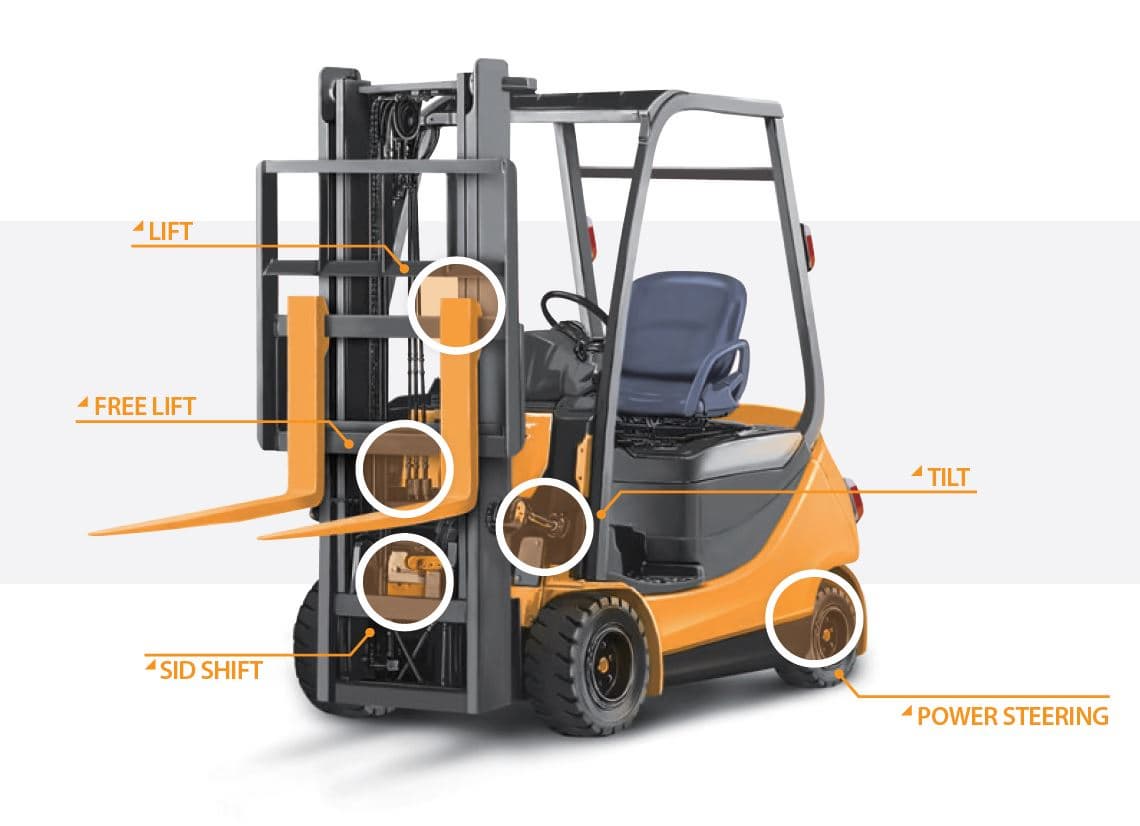
What are the Advantages of Using Hydraulic Cylinders in Forklifts?
Hydraulic cylinders play a pivotal role in the operation of forklifts, providing several advantages that contribute to their efficiency, versatility, and overall performance. Here are the key advantages of using hydraulic cylinders in forklifts:
- High Lifting Capacity:
- Smooth and Controlled Operation:
- Adjustable Lift Heights:
- Quick Response Time:
- Reliable and Robust:
- Simple and Compact Design:
- Wide Range of Applications:
- Ease of Maintenance:
Hydraulic cylinders are capable of generating significant lifting forces, allowing forklifts to handle heavy loads with ease. The hydraulic system’s ability to generate high pressure and transfer it to the cylinder results in impressive lifting capacities, enabling the forklift to lift and transport substantial loads efficiently.
Hydraulic cylinders provide smooth and controlled operation during lifting and lowering processes. The hydraulic fluid, acting as the medium, offers excellent resistance to compression and allows for precise control over the movement of the piston. This enables operators to perform delicate maneuvers and position loads accurately, contributing to safe and efficient material handling.
Hydraulic cylinders allow for adjustable lift heights in forklifts, providing versatility in various material handling tasks. By controlling the amount of hydraulic fluid pumped into the cylinder, operators can raise or lower the forks or lifting platform to suit different load sizes, stacking heights, and clearance requirements. This adaptability enhances the forklift’s versatility and enables it to work efficiently in various environments.
Hydraulic systems, including hydraulic cylinders, offer rapid response times, resulting in swift lifting and lowering operations. When operators activate the hydraulic controls, the hydraulic fluid instantly transmits pressure to the cylinder, initiating the desired movement. This quick response time allows for efficient load handling, reduces cycle times, and improves overall productivity in material handling applications.
Hydraulic cylinders are known for their reliability and durability, making them suitable for demanding industrial applications. They are designed to withstand heavy loads, frequent use, and harsh operating conditions. With proper maintenance and regular inspections, hydraulic cylinders in forklifts can provide long service life and dependable performance, minimizing downtime and maintenance costs.
The design of hydraulic cylinders is relatively simple and compact, contributing to the overall compactness and maneuverability of forklifts. The compact size of the hydraulic cylinders allows for efficient integration within the forklift’s structure, optimizing space utilization and ensuring that the forklift remains agile and capable of maneuvering in tight spaces.
Hydraulic cylinders in forklifts find applications across a wide range of industries and material handling tasks. Whether it is lifting and stacking pallets, loading and unloading cargo, or handling heavy industrial equipment, the versatility and adaptability of hydraulic cylinders make them suitable for various tasks and environments.
Hydraulic cylinders are relatively easy to maintain, with routine inspections and preventive maintenance ensuring their optimal performance. Regular checks for leaks, proper lubrication, and component replacements as needed can help extend the lifespan of the hydraulic cylinders and contribute to the overall reliability and safety of the forklift.
The advantages offered by hydraulic cylinders in forklifts, such as high lifting capacity, smooth operation, adjustable lift heights, quick response time, reliability, compact design, versatility, and ease of maintenance, make them indispensable components in the material handling industry. These advantages contribute to enhanced productivity, improved safety, and efficient handling of loads in diverse work environments.
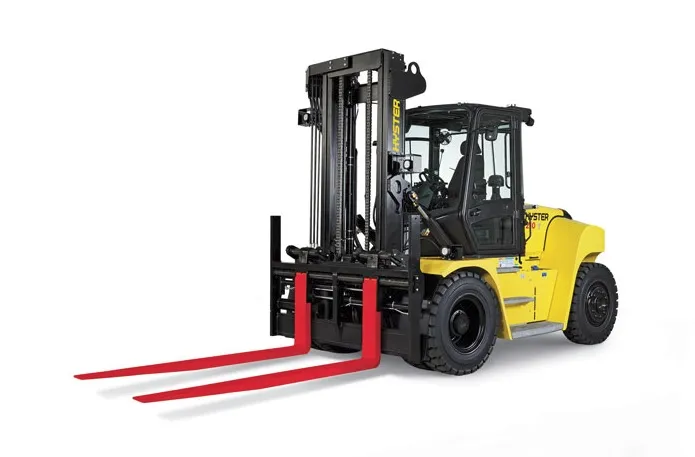
How does a forklift hydraulic cylinder handle variations in seal technology?
A forklift hydraulic cylinder is designed to handle variations in seal technology to ensure effective sealing and reliable performance. Here’s an explanation of how it achieves this:
The hydraulic cylinder’s ability to accommodate different seal technologies is essential for maintaining hydraulic fluid integrity and preventing leakage. The cylinder handles variations in seal technology through the following mechanisms:
1. Seal Compatibility:
Forklift hydraulic cylinders are designed to be compatible with various types of seal technologies. Different seal materials and designs are available, such as O-rings, lip seals, and composite seals. The cylinder is manufactured with precise dimensions and tolerances to accommodate the specific seal technology being used. This compatibility ensures a proper fit and seal, regardless of the seal technology employed.
2. Material Selection:
The choice of cylinder material is also crucial in handling variations in seal technology. Different seal materials have varying compatibility with specific cylinder materials. Forklift hydraulic cylinders are typically constructed using materials such as steel or aluminum alloys, which offer excellent compatibility with a wide range of seal technologies. The cylinder material is selected to work harmoniously with different seal materials, ensuring reliable sealing performance.
3. Seal Design and Construction:
The design and construction of seals in the hydraulic cylinder are optimized to accommodate variations in seal technology. Seal manufacturers develop seals with specific features and characteristics tailored to different applications. These features may include improved sealing lip geometry, advanced materials with enhanced wear resistance, and specialized sealing mechanisms. The cylinder is designed to accommodate these variations, providing the necessary space and support for the specific seal technology being utilized.
4. Testing and Quality Control:
Hydraulic cylinders undergo rigorous testing and quality control processes to ensure seal compatibility and performance. During manufacturing, seals are inspected for proper fit, dimensions, and sealing integrity. The hydraulic system is also subjected to pressure and leakage tests to verify the effectiveness of the seals and overall system performance. These testing and quality control measures help identify any issues related to seal technology and allow for necessary adjustments or improvements.
In summary, a forklift hydraulic cylinder handles variations in seal technology through seal compatibility, appropriate material selection, seal design and construction, and rigorous testing and quality control. These measures ensure that the cylinder can effectively accommodate different seal technologies, providing reliable sealing performance and preventing hydraulic fluid leakage.
What is a forklift hydraulic cylinder and how does it work?
A forklift hydraulic cylinder is a crucial component in the hydraulic system of a forklift. It is responsible for generating the force required to lift and lower the load. Here’s a detailed explanation of its function and operation:
Function:
A forklift hydraulic cylinder is designed to convert hydraulic pressure into linear force. It consists of a cylindrical barrel, a piston, piston rod, seals, and ports for hydraulic fluid entry and exit. The cylinder is usually mounted vertically within the forklift’s mast assembly.
Operation:
The hydraulic cylinder operates based on the principle of Pascal’s law, which states that when pressure is applied to a fluid in an enclosed system, the pressure is transmitted equally in all directions.
When the operator activates the forklift’s hydraulic control, hydraulic fluid (usually oil) is pressurized and directed into the cylinder through the inlet port. The pressurized fluid enters one side of the cylinder, pushing the piston and piston rod upwards.
As the piston rod extends, it applies force to the load-bearing structure of the forklift, such as the mast or the lifting mechanism. This force enables the forklift to lift heavy loads to the desired height.
Conversely, when the operator releases the hydraulic control, the hydraulic fluid is allowed to exit the cylinder through the outlet port. The fluid flows back into the hydraulic reservoir, and the weight of the load or a counterbalance system helps lower the piston and piston rod.
The hydraulic cylinder’s movement is controlled by the operator through the forklift’s hydraulic control system, which regulates the flow of hydraulic fluid into and out of the cylinder. By adjusting the flow rate and direction, the operator can control the speed and direction of the cylinder’s extension and retraction.
The seals within the hydraulic cylinder prevent fluid leakage and ensure efficient operation. They help maintain the pressure inside the cylinder, allowing the hydraulic system to generate the necessary force consistently.
In summary, a forklift hydraulic cylinder is a hydraulic device that converts hydraulic pressure into linear force. It operates based on Pascal’s law, using pressurized hydraulic fluid to extend and retract the piston rod, enabling the forklift to lift and lower heavy loads.


editor by Dream 2024-11-28