
Product Description
Attractive Price 18MPa 3.4kg hydraulic Tilt Cylinder for Forklift
In forklifts, the tilt cylinder is a hydraulic cylinder responsible for tilting the mast and forks of the forklift. It allows the operator to adjust the angle of the divisions to accommodate different load-handling needs. Here are some key points about the tilt cylinder in a forklift:
Function: The tilt cylinder controls the tilting movement of the mast and forks. It lets the operator tilt the forks CHINAMFG or backward to pick up, transport, and deposit loads. The forklift operator can ensure proper load stability, precise positioning, and safe material handling by adjusting the tilt angle.
Hydraulic Power: The tilt cylinder is powered by hydraulic fluid under pressure. It is connected to the forklift’s hydraulic system, which consists of a hydraulic pump, control valves, hoses, and a reservoir. When the operator activates the tilt control lever, hydraulic fluid is directed to the tilt cylinder, causing it to extend or retract and initiate the tilt movement.
| bore diameter (D) | rod diameter (d) | stroke (S) | Installation distance (L) | working pressure | Interface dimensions (M) | weight |
| Φ60 | Φ30 | 32 | 109 | 18MPa | 2-M14*1.5 | 3.4kg |
(1) Our company can customize non-standard oil cylinders within the range of cylinder diameter D360MM and stroke L6000MM according to customer requirements;
(2) The above product prices are nontax unit prices, excluding packaging and transportation costs required for export
Application
Application of Forklift series Tilt Cylinder
1. Load Handling: The primary application of the tilt cylinder is to facilitate the handling of loads. By adjusting the tilt angle of the mast and forks, the tilt cylinder allows the forklift operator to pick up, transport, and deposit loads with precision. It enables the operator to tilt the forks CHINAMFG to engage and lift the load or tilt them backward to stabilize and deposit the load.
2. Load Stabilization: The tilt cylinder plays a crucial role in load stabilization. When lifting and transporting loads, especially those unbalanced or unevenly distributed, the tilt cylinder allows the operator to adjust the tilt angle to prevent load shifting or toppling. This ensures load stability and reduces the risk of accidents or damage to the load and surrounding structures.
3. Accessing and Depositing Loads: The tilt cylinder enables the forklift operator to access and deposit loads in various locations. It allows the forks to tilt CHINAMFG or backward, making it easier to position them under pallets or other load types. Adjusting the tilt angle allows the operator to align the forks with the load and safely deposit it CHINAMFG racks, shelves, or other storage areas.
4. Load Manipulation: The tilt cylinder allows load manipulation and fine control during material handling operations. By incrementally adjusting the tilt angle, the operator can tilt the forks slightly to level the load on uneven surfaces or adjust the load position for better visibility and maneuverability. This enables efficient handling of delicate or fragile loads, optimizing safety and productivity.
5. Pallet Stacking: The tilt cylinder is widely used in pallet stacking applications. It enables the operator to tilt the forks backward to create a slight incline, allowing for easy entry and retrieval of pallets from stacked loads. The tilt cylinder also assists in aligning the divisions with the pallets during stacking, ensuring accurate placement and stability of the stacked pallets.
6. Customized Load Handling: The tilt cylinder in a forklift series can be used for customized load-handling applications. Some forklift models feature additional attachments or accessories, such as side shifters or clamp arms, which can be controlled by the tilt cylinder. This allows forklift operators to adapt the tilt angle and manipulate loads with specialized requirements, such as gripping or rotating materials.
Importance of Forklift Tilt Cylinder
Load Stability: The tilt cylinder allows the operator to adjust the tilt angle of the mast and forks, ensuring load stability during material handling operations. By tilting the forks CHINAMFG or backward, the operator can secure the load and prevent it from shifting or falling off them. This enhances safety and minimizes the risk of accidents or damage to the bag.
Precise Load Positioning: The tilt cylinder enables precise load positioning, allowing the operator to align the forks with the load and accurately deposit it CHINAMFG racks, shelves, or other storage areas. Adjusting the tilt angle allows the operator to achieve optimal load placement, which is critical in tight or confined spaces where maneuverability is limited.
Versatility: The tilt cylinder provides versatility in load-handling applications. The forklift can handle various load sizes and shapes by adjusting the tilt angle to accommodate different load requirements. This versatility enhances the adaptability of the forklift in multiple industries and warehouses, where different types of goods and materials must be handled.
Improved Operator Visibility: Adjusting the tilt angle can improve the operator’s visibility during material handling operations. By tilting the forks backward, the operator can have a better line of sight over the load, increasing situational awareness and reducing the risk of accidents caused by limited visibility.
In summary, the tilt cylinder in a forklift is of utmost importance as it ensures load stability, enables precise load positioning, enhances versatility, improves operator visibility and ergonomics, facilitates efficient pallet stacking, and allows customization and attachment compatibility. These factors contribute to safer, more efficient, and more productive material handling operations in warehouses, distribution centers, manufacturing facilities, and other industrial settings.
Our Company
We have a first-class independent R&D platform for assembly. The forklift cylinder production workshop has 4 semi-automatic lifting cylinder assembly lines and 1 fully automatic tilting cylinder assembly line, with a designed annual production capacity of 1 million pieces; the special cylinder workshop is equipped with semi-automatic cleaning and assembly systems of various specifications, with a designed annual production capacity of 200,000 essays. It has famous CNC machining equipment, machining centers, special equipment for high-precision cylinder processing, robot welding machines, automatic cleaning machines, automatic cylinder assembly machines, and automatic paint production lines. We have more than 300 sets of critical equipment running. The optimized allocation and efficient utilization of equipment resources ensure the precision requirements of the products and meet the high standard quality requirements of the products.
|
Forklift cylinder assembly shop |
Other types of cylinder assembly shop |
Welding
Painting & coating
|
Painting & coating line |
Fully automatic water-based |
Testing
To further improve product performance, and establish the leadership position of our hydraulic cylinder in the industry, our company and zjimee jointly established a Comprehensive performance laboratory of hydraulic cylinders, hydraulic valves, and hydraulic pumps; the lab is computer-assisted testing, using electro-hydraulic control technology, the test conditions preset by computer, which improves the test accuracy and system versatility, and the experimental data.
The automatic collection is realized through the application of sensors, and the output data, such as the internal leakage and load efficiency of the cylinder or the valve, are directly processed by the
computer and converted to standard units (ml/min; %). At the same time, to ensure the working safety of the hydraulic system, the state monitoring function is carried out for key performance parameters, such as “oil temperature monitoring, liquid level monitoring, filter device monitoring,” etc. Among them, the hydraulic cylinder test stand can test the performance of “load efficiency” and “internal leakage” by readings. At the same time, it is equipped with a grating ruler measuring instrument, which meets the requirements of all test items of hydraulic cylinder products in the national standard
Our Factory
Packaging & Shipping
/* March 10, 2571 17:59:20 */!function(){function s(e,r){var a,o={};try{e&&e.split(“,”).forEach(function(e,t){e&&(a=e.match(/(.*?):(.*)$/))&&1
| Certification: | GS, RoHS, CE, ISO9001 |
|---|---|
| Pressure: | Medium Pressure |
| Work Temperature: | Normal Temperature |
| Acting Way: | Double Acting |
| Working Method: | Rotary |
| Adjusted Form: | Regulated Type |
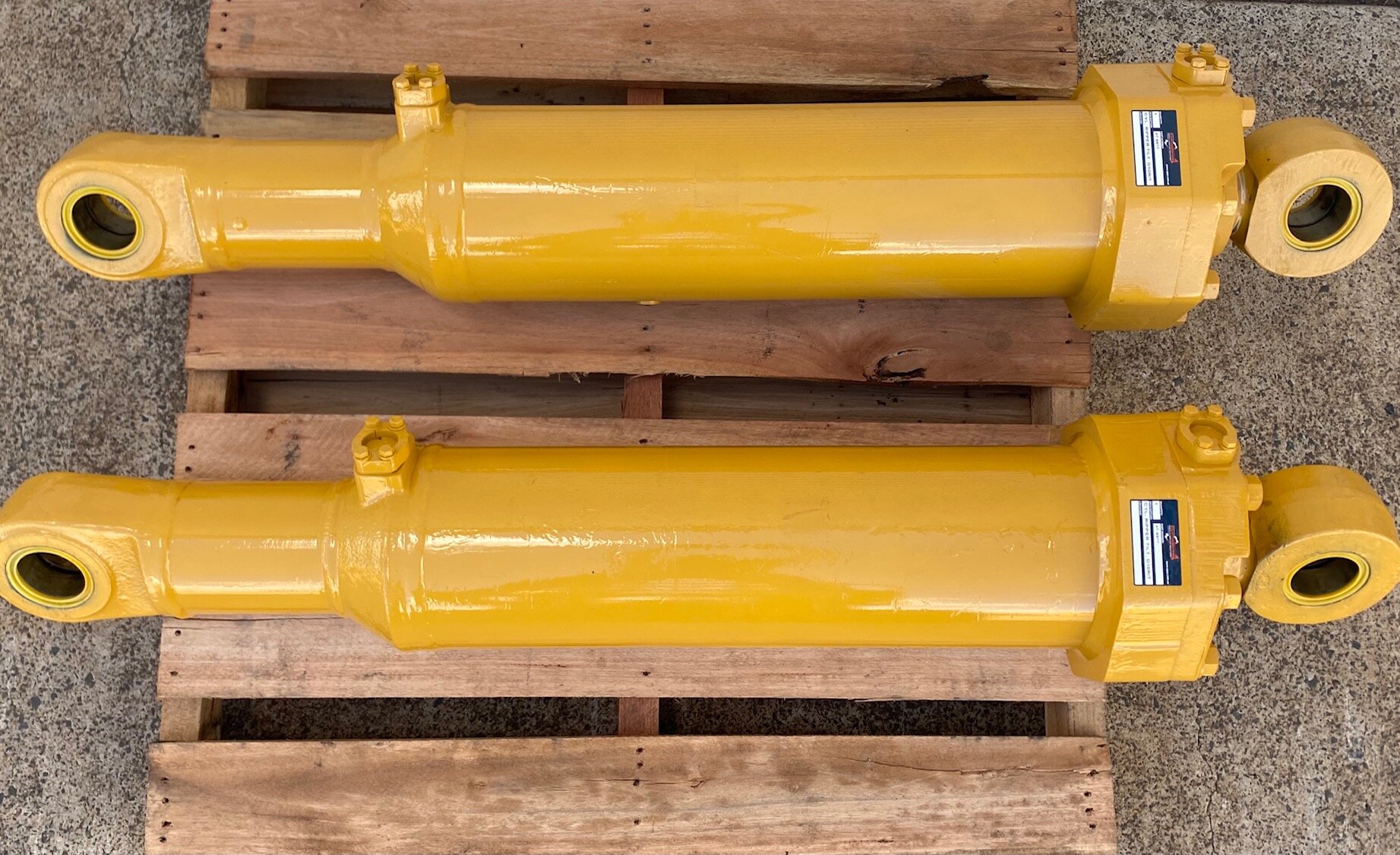
How does a tilt cylinder contribute to stable and safe equipment operation?
A tilt cylinder plays a crucial role in ensuring stable and safe equipment operation. It provides key benefits that enhance stability, control, and overall safety. Here’s a detailed explanation:
- Load Distribution: One of the primary ways a tilt cylinder contributes to stability is by facilitating proper load distribution. By adjusting the tilt angle of the equipment’s attachment, operators can distribute the weight of the load more evenly. This balanced load distribution helps prevent excessive stress on the equipment, reducing the risk of instability or tipping during operation.
- Center of Gravity Management: Tilt cylinders allow operators to manage the center of gravity of the equipment. By adjusting the tilt angle, they can optimize the positioning of the load and maintain a stable center of gravity. This is particularly important when operating on uneven or inclined terrain. Proper center of gravity management helps prevent equipment imbalance and improves overall stability.
- Operator Control: Tilt cylinders provide operators with precise control over the equipment’s tilt angle. This control allows operators to make fine adjustments to the equipment’s position, ensuring stability during various tasks, such as material loading, dumping, or maneuvering. The ability to finely control the tilt angle contributes to safe and controlled equipment operation.
- Enhanced Maneuverability: Tilt cylinders improve the maneuverability of the equipment by allowing operators to adjust the tilt angle as needed. This flexibility enables the equipment to navigate through tight spaces, uneven surfaces, or challenging environments more effectively. The enhanced maneuverability reduces the likelihood of accidents or collisions, contributing to safe equipment operation.
- Compatibility with Safety Systems: Tilt cylinders can be integrated with safety systems and features to further enhance equipment stability and operator safety. For example, they can be linked to stability control systems that monitor and adjust the equipment’s tilt angle in real-time to maintain stability and prevent tip-overs. Additionally, tilt cylinders may be incorporated into safety interlock systems that prevent certain equipment functions from operating unless the proper tilt angle is maintained, ensuring safe operation.
- Robust Design and Construction: Tilt cylinders are designed and constructed to withstand the demanding conditions of equipment operation. They are built to handle heavy loads, resist external forces, and endure harsh environments. The robust design and construction of tilt cylinders contribute to the overall stability and safety of equipment operation.
Therefore, a tilt cylinder contributes to stable and safe equipment operation through load distribution optimization, center of gravity management, operator control, enhanced maneuverability, compatibility with safety systems, and robust design. By utilizing tilt cylinders, operators can maintain stability, improve control, and mitigate risks, ensuring a safer working environment and reducing the likelihood of accidents or equipment failures during operation.
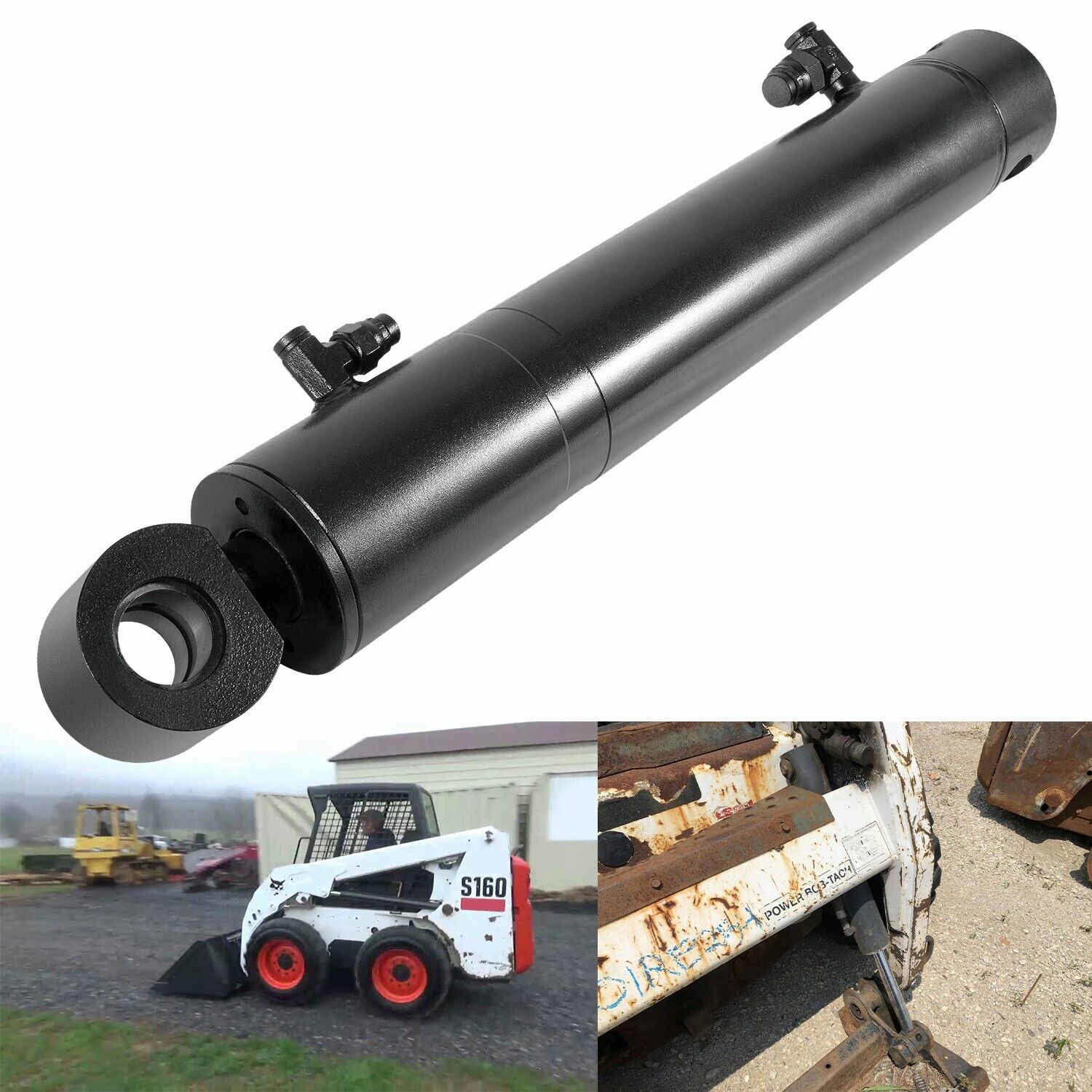
What are the safety considerations when using machinery equipped with tilt cylinders?
When using machinery equipped with tilt cylinders, several safety considerations should be taken into account to ensure the well-being of operators, bystanders, and the overall work environment. Here are the key safety considerations:
- Operator Training: Proper training is essential for operators who will be working with machinery equipped with tilt cylinders. Operators should receive comprehensive training on the safe operation of the equipment, including understanding the controls, precautions, and potential hazards associated with tilt cylinder usage. Training helps operators develop the necessary skills and knowledge to operate the machinery safely.
- Safe Operating Procedures: Establishing and following safe operating procedures is crucial for minimizing risks when using machinery with tilt cylinders. Standard operating procedures should outline the correct sequence of operations, safety checks, and precautions to be taken before, during, and after using the equipment. Operators should adhere to these procedures to ensure safe and consistent operation.
- Inspection and Maintenance: Regular inspection and maintenance of the tilt cylinders and associated equipment components are essential for safety. This includes checking for leaks, damage, loose connections, or excessive wear. Any identified issues should be promptly addressed through maintenance or repairs to prevent potential malfunctions or accidents during operation.
- Load Capacity and Stability: Tilt cylinders have specific load capacity limits, and exceeding these limits can compromise safety. Operators should be aware of the equipment’s load capacity and ensure that the loads being lifted or tilted fall within the specified limits. Additionally, attention should be given to maintaining the stability of the machinery during tilting operations, considering factors such as uneven terrain or shifting loads.
- Proper Use of Safety Devices: Machinery equipped with tilt cylinders may have additional safety devices such as safety locks, sensors, or audible alarms. Operators should use these safety devices as intended and ensure they are in good working condition. For example, safety locks should be engaged when the equipment is stationary to prevent unintended tilting.
- Clear Communication and Signaling: Clear communication among operators, signalers, and other personnel is vital for ensuring safety during tilt cylinder operations. Hand signals or radio communication should be used effectively to convey instructions and warnings. Adequate signaling and communication protocols should be established and followed to avoid misunderstandings or accidents.
- Personal Protective Equipment (PPE): Operators and personnel working with machinery equipped with tilt cylinders should wear appropriate personal protective equipment, including safety helmets, protective eyewear, gloves, and high-visibility clothing. PPE helps minimize the risk of injury from potential hazards, such as falling objects, debris, or hydraulic fluid leaks.
By considering these safety aspects and implementing appropriate measures, the risks associated with using machinery equipped with tilt cylinders can be mitigated. Prioritizing safety promotes a secure working environment, reduces accidents, and protects the well-being of everyone involved in the operation.
What is the importance of regular maintenance for tilt cylinders?
Regular maintenance is crucial for tilt cylinders to ensure their optimal performance and longevity. Proper maintenance helps prevent potential issues, extends the lifespan of the cylinders, and enhances overall equipment reliability. Here are the key reasons highlighting the importance of regular maintenance for tilt cylinders:
- Preventive Maintenance: Regular maintenance allows for the early detection and prevention of potential problems. By inspecting tilt cylinders at regular intervals, any signs of wear, damage, leaks, or misalignment can be identified early on. Timely maintenance interventions, such as lubrication, seal replacements, or component adjustments, can be performed to prevent further damage and costly repairs.
- Optimal Performance: Tilt cylinders that receive regular maintenance are more likely to maintain their optimal performance. Proper lubrication of moving parts, such as pins and bushings, ensures smooth operation and minimizes friction, reducing wear and tear. Regular cleaning and inspection of hydraulic lines and valves help maintain proper fluid flow, ensuring efficient operation of the cylinder. By keeping the tilt cylinder in good condition, equipment operators can rely on consistent and reliable tilting performance.
- Equipment Safety: Well-maintained tilt cylinders contribute to equipment safety. A malfunctioning or poorly maintained tilt cylinder can lead to unexpected failures or accidents, posing risks to operators, bystanders, and the surrounding environment. Regular maintenance helps identify and rectify potential safety issues, ensuring that the tilt cylinder operates safely and reliably during equipment operation.
- Longevity and Cost Savings: Regular maintenance significantly extends the lifespan of tilt cylinders. By addressing minor issues promptly and performing preventive maintenance tasks, the overall wear and tear on the cylinder can be minimized. This prolongs the cylinder’s lifespan, reducing the frequency of replacements and associated costs. Additionally, regular maintenance helps avoid costly downtime caused by unexpected cylinder failures, leading to increased productivity and cost savings in the long run.
- Manufacturer Recommendations: Following the manufacturer’s recommended maintenance schedule is essential for tilt cylinders. Manufacturers provide specific guidelines on maintenance tasks, intervals, and recommended spare parts. Adhering to these recommendations ensures that the cylinder is properly maintained according to the manufacturer’s specifications, preserving warranty coverage and maintaining compliance with industry standards.
In conclusion, regular maintenance for tilt cylinders is vital for their reliable performance, equipment safety, and longevity. By conducting preventive maintenance, ensuring optimal performance, and adhering to manufacturer recommendations, operators can maximize the lifespan of the tilt cylinders, minimize downtime, and enhance the overall efficiency and safety of the equipment.


editor by CX 2024-02-07