
Product Description
Our Seamless Steel Oxygen Cylinders are mainly produced conformity with Standard GB5099-94, ISO9809-1/3 and EN1964. The raw material is either Seamless Steel Pipe or Steel Billet.
Our Seamless Steel Oxygen Cylinders can be widely used in many fields, such as industry, medical equipment, fire protection and scientific research, for storage and transport of permanent gases and high pressure liquefied gases, such as Oxygen Gas, Carbon Dioxide Gas, Argon Gas, Nitrogen Gas, Helium Gas, Carbon Monoxide Gas, SF6 Gas, N2O gas, Air, etc.
Our Oxygen Cylinder is widely applied in chemical, metallurgical, mechanical, medical, scientific research and building industry.
What we can promise for you:
1. High quality and security gas cylinders
2. Best price in the market
3. Fast delivery (3~4 weeks)
| Type | Diameter (mm) | Capacity (L) | Height (mm) | Weight (kg) | Working pressure(Mpa) | Design wall thickness(mm) | Material |
| WMA108-1.4-15 | 108 | 1.4 | 240 | 2.8 | 15 | 2.9 (GB5099) 3.2 (ISO9809- 3) |
37Mn |
| WMA108-2-15 | 2 | 310 | 3.5 | ||||
| WMA108-3-15 | 3 | 437 | 4.8 | ||||
| WMA121-2.8-15 | 121 | 2.8 | 350 | 4.6 | 15 | 3.5 | 37Mn |
| WMA121-3-15 | 3 | 375 | 4.9 | ||||
| WMT121-4-15 | 4 | 477 | 5.8 | ||||
| WMA140-4-15 | 140 | 4 | 372 | 5.77 | 15 | 4.1 | 37Mn |
| WMA140-5-15 | 5 | 458 | 7.52 | ||||
| WMA140-8-15 | 8 | 671 | 10.72 | ||||
| WMA152-7-15 | 152 | 7 | 528 | 9.57 | 15 | 4.4 | 37Mn |
| WMA152-8-15 | 8 | 600 | 10.66 | ||||
| WMA152-10-15 | 10 | 726 | 12.6 | ||||
| WMA152-15-15 | 15 | 1012 | 17.7 | ||||
| WMA159-4-15 | 159 | 4 | 320 | 6.8 | 15 | 4.4(GB5099) 4.7(ISO 9809-3) | 37Mn |
| WMA159-8-15 | 8 | 554 | 10.8 | ||||
| WMA159-10-15 | 10 | 665 | 12.7 | ||||
| WMA159-15-15 | 15 | 945 | 17.5 | ||||
| WMA180-8-15 | 180 | 8 | 475 | 13.9 | 15 | 5.3 | 37Mn |
| WMA180-10-15 | 10 | 565 | 16.2 | ||||
| WMA180-12-15 | 12 | 655 | 18.4 | ||||
| WMA180-15-15 | 15 | 785 | 21.7 | ||||
| WMA180-20-15 | 20 | 1571 | 27.3 | ||||
| WMA219-20-15 | 219 | 20 | 710 | 27.8 | 15 | 5.7(GB5099) 6.1( ISO 9809-3) | 37Mn |
| WMA219-40-15 | 40 | 1325 | 48.5 | ||||
| WMA219-45-15 | 45 | 1455 | 50.8 | ||||
| WMA219-50-15 | 50 | 1605 | 55.6 | ||||
| WZA232-40-15 | 232 | 40 | 1160 | 44.2 | 15 | 5.3 | 37Mn |
| WZA232-47-15 | 47 | 1350 | 50.3 | ||||
| WZA232-50-15 | 50 | 1430 | 53 | ||||
| WZA267-40-15 | 267 | 40 | 930 | 45.5 | 15 | 5.8 | 37Mn |
| WZA267-50-15 | 50 | 1127 | 53.9 | ||||
| WZA267-70-15 | 70 | 1521 | 70.7 | ||||
| WGA232-30-20 | 232 | 30 | 916 | 37.4 | 20 | 5.2 | 34CrMo4 |
| WGA232-38-20 | 38 | 1127 | 44.8 | ||||
| WGA232-40-20 | 40 | 1180 | 46.7 | ||||
| WGA232-46.7-20 | 46.7 | 1358 | 52.9 | ||||
| WGA232-47-20 | 47 | 1366 | 53.2 | ||||
| WGA232-50-20 | 50 | 1445 | 56 | ||||
| WGA232-60-20 | 60 | 1710 | 65.2 |
Advantages of our gas cylinders:
HIGH QUALITY
We have implemented strict and complete quality control system, which ensures each gas cylinder can meet quality requirements. All gas cylinders must be strictly inspected before shipment.
COMPETITVE PRICE
As a big gas cylinder factory, our output is over 4000 PCS per day, that will effectively reduce labor cost and other cost of gas cylinders like valve and raw materials. That’s why we could always offer you best price !
GOOD AND PROFESSIONAL SERVICE
We have worked in this field for over 10 years, all of our egineers and sales could supply best suggestions and answers for your queations, no matter gas cylinders or the gas filling process in fillowing.
Since now, we could supply you:
1. Gas filling service: N2O, Argon, CO2, Helium, Oxygen, Nitrogen, ect.
2. Used Gas cylinder insepection service too keep safe
3. Related gas equipment supply
When you chose RUIMING, you chose a trustworthy partner!
FAST DELIVERY TIME
Normal delivery time for 40L gas cylinder: 15 days
50L 200 BAR gas cylinders: 25-30 days
If you need gas filling , it will take more 10 days.
OEM ACCEPTED
OEM is accepted in our company, no matter COLOR, VALVE, CAP/HANDLE, and marks. All these could be fully filled.
| Function: | Storage Pressure Vessel, Heat Pressure Vessel, Reaction Pressure Vessel |
|---|---|
| Application: | Gas |
| Material: | Stainless Steel |
| Pressure: | 10.0MPa≤p<100.0MPa |
| Storage Medium: | Flammable/Toxic |
| Pressure Level: | High Pressure (10.0MPa≤p<100.0MPa) |
| Samples: |
US$ 80/Piece
1 Piece(Min.Order) | |
|---|
| Customization: |
Available
|
|
|---|
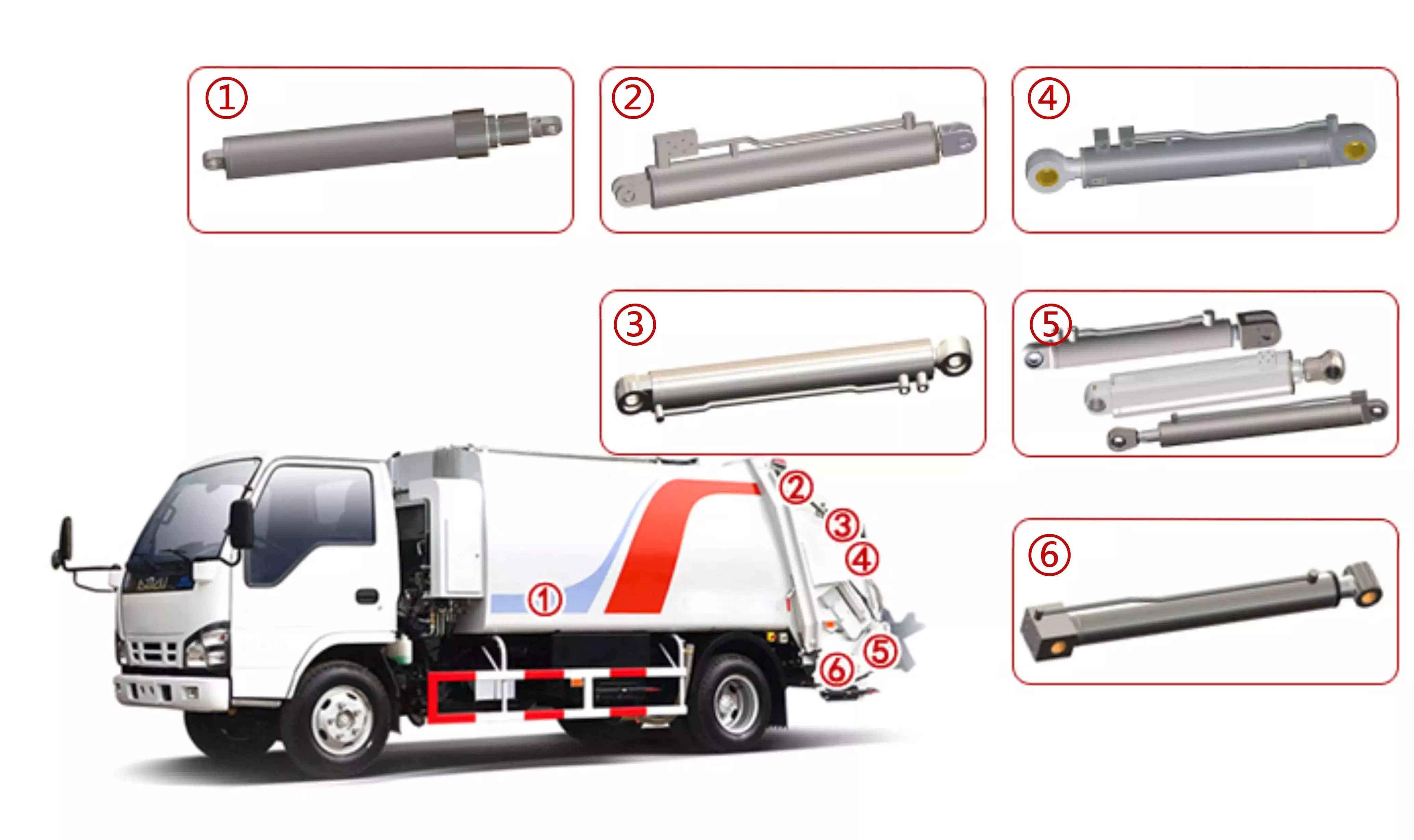
Can hydraulic cylinders be integrated with advanced control systems and automation?
Yes, hydraulic cylinders can be integrated with advanced control systems and automation technologies to enhance their functionality, precision, and overall performance. The integration of hydraulic cylinders with advanced control systems allows for more sophisticated and precise control over their operation, enabling automation and intelligent control. Here’s a detailed explanation of how hydraulic cylinders can be integrated with advanced control systems and automation:
1. Electronic Control:
– Hydraulic cylinders can be equipped with electronic sensors and transducers to provide real-time feedback on their position, force, pressure, or velocity. These sensors can be integrated with advanced control systems, such as programmable logic controllers (PLCs) or distributed control systems (DCS), to monitor and control the operation of hydraulic cylinders. By integrating electronic control, the position, speed, and force of hydraulic cylinders can be precisely monitored and adjusted, allowing for more accurate and automated control.
2. Closed-Loop Control:
– Closed-loop control systems use feedback from sensors to continuously monitor and adjust the operation of hydraulic cylinders. By integrating hydraulic cylinders with closed-loop control systems, precise control over position, velocity, and force can be achieved. Closed-loop control enables the system to automatically compensate for variations, external disturbances, or changes in operating conditions, ensuring accurate and consistent performance. This integration is particularly beneficial in applications that require precise positioning, synchronization, or force control.
3. Proportional and Servo Control:
– Hydraulic cylinders can be integrated with proportional and servo control systems to achieve finer control over their operation. Proportional control systems use proportional valves to regulate the flow and pressure of hydraulic fluid, allowing for precise adjustment of cylinder speed and force. Servo control systems, on the other hand, combine feedback sensors, high-performance valves, and advanced control algorithms to achieve extremely precise control over hydraulic cylinders. Proportional and servo control integration enhances the responsiveness, accuracy, and dynamic performance of hydraulic cylinders.
4. Human-Machine Interface (HMI):
– Hydraulic cylinders integrated with advanced control systems can be operated and monitored through human-machine interface (HMI) devices. HMIs provide a graphical user interface that allows operators to interact with the control system, monitor cylinder performance, and adjust parameters. HMIs enable operators to set desired positions, forces, or velocities, and visualize the real-time feedback from sensors. This integration simplifies the operation and monitoring of hydraulic cylinders, making them more user-friendly and facilitating seamless integration into automated systems.
5. Communication and Networking:
– Hydraulic cylinders can be integrated into communication and networking systems, enabling them to be part of a larger automated system. Integration with industrial communication protocols, such as Ethernet/IP, Profibus, or Modbus, allows for seamless information exchange between the hydraulic cylinders and other system components. This integration enables centralized control, data logging, remote monitoring, and coordination with other automated processes. Communication and networking integration enhance the overall efficiency, coordination, and integration of hydraulic cylinders within complex automation systems.
6. Automation and Sequential Control:
– By integrating hydraulic cylinders with advanced control systems, they can be seamlessly incorporated into automated processes and sequential control operations. The control system can execute predefined sequences or programmed logic to control the operation of hydraulic cylinders based on specific conditions, inputs, or timing. This integration enables the automation of complex tasks, such as material handling, assembly operations, or repetitive motions. Hydraulic cylinders can be synchronized with other actuators, sensors, or devices, allowing for coordinated and automated operation in various industrial applications.
7. Predictive Maintenance and Condition Monitoring:
– Advanced control systems can also enable predictive maintenance and condition monitoring for hydraulic cylinders. By integrating sensors and monitoring capabilities, the control system can continuously monitor the performance, health, and condition of hydraulic cylinders. This integration allows for the detection of abnormalities, wear, or potential failures in real-time. Predictive maintenance strategies can be implemented based on the collected data, optimizing maintenance schedules, reducing downtime, and enhancing the overall reliability of hydraulic systems.
In summary, hydraulic cylinders can be integrated with advanced control systems and automation technologies to enhance their functionality, precision, and performance. The integration allows for electronic control, closed-loop control, proportional and servo control, human-machine interface (HMI) interaction, communication and networking, automation and sequential control, as well as predictive maintenance and condition monitoring. These integrations enable more precise control, automation, improved efficiency, and optimized performance of hydraulic cylinders in various industrial applications.
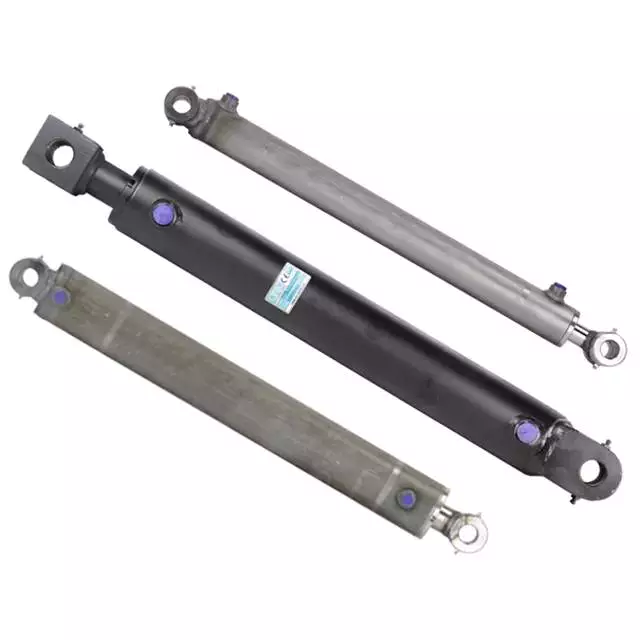
What considerations are important when selecting hydraulic cylinders for mobile equipment?
To select hydraulic cylinders for mobile equipment, several important considerations need to be taken into account. Here are the key factors to consider:
- Load Capacity: Determine the maximum load or force that the hydraulic cylinder will need to support. This includes both the static load and any dynamic or shock loads that may be encountered during operation.
- Stroke Length: Consider the required stroke length, which is the distance the hydraulic cylinder can extend and retract. Ensure that the stroke length is sufficient for the specific application and range of motion needed.
- Operating Pressure: Determine the maximum operating pressure required for the hydraulic system. This will depend on the load and the specific application. Select a hydraulic cylinder with a pressure rating that exceeds the maximum operating pressure to ensure safety and durability.
- Mounting Style: Consider the available space and the mounting requirements of the mobile equipment. Hydraulic cylinders come in various mounting styles, such as flange, trunnion, clevis, and pivot, among others. Choose a mounting style that is compatible with the equipment and provides the necessary support and stability.
- Size and Weight: Take into account the physical dimensions and weight of the hydraulic cylinder. Ensure that it can fit within the available space and that the equipment can support its weight without compromising performance or safety.
- Speed and Precision: Evaluate the required speed and precision of the hydraulic cylinder’s movement. Different cylinder designs and configurations can affect the speed and accuracy of motion. Consider factors such as cylinder bore size, rod diameter, and the presence of cushioning or dampening features.
- Environmental Factors: Assess the operating environment of the mobile equipment. Consider factors such as temperature extremes, exposure to moisture, dust, and chemicals. Select hydraulic cylinders with appropriate seals and coatings that can withstand the environmental conditions and prevent corrosion or damage.
- Reliability and Maintenance: Consider the reliability and maintenance requirements of the hydraulic cylinders. Look for reputable manufacturers that provide high-quality products with a proven track record. Evaluate factors such as expected service life, availability of spare parts, and ease of maintenance.
- Cost: Finally, consider the cost of the hydraulic cylinders, including the initial purchase price, installation costs, and long-term maintenance expenses. While it is essential to find a cost-effective solution, prioritize quality and performance to ensure safe and efficient operation.
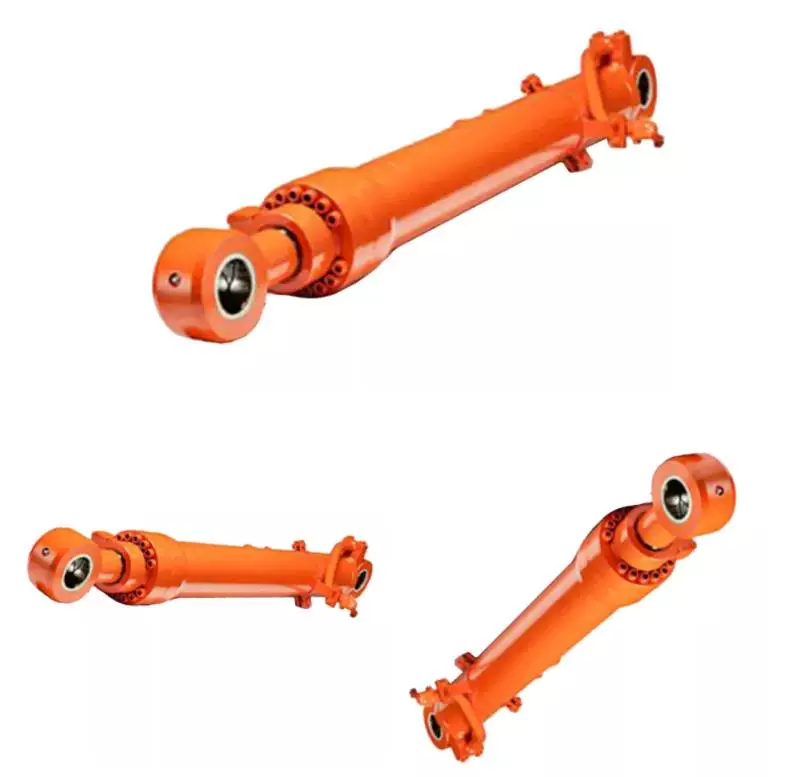
What benefits do hydraulic cylinders offer for tasks requiring heavy lifting or movement?
Hydraulic cylinders offer numerous benefits for tasks that involve heavy lifting or movement. Their unique design and characteristics make them well-suited for applications that require substantial force, precise control, and reliable operation. Here are the detailed benefits that hydraulic cylinders provide for such tasks:
1. High Force Generation:
– Hydraulic cylinders are capable of generating significant amounts of force. By utilizing hydraulic pressure, which can be easily amplified, hydraulic cylinders can exert substantial force to lift and move heavy loads. The force output of a hydraulic cylinder is directly proportional to the hydraulic pressure and the surface area of the piston. This high force capability makes hydraulic cylinders ideal for tasks that involve heavy lifting, pushing, or pulling.
2. Precise Control:
– Hydraulic cylinders offer precise control over the force and motion they generate. By regulating the flow of hydraulic fluid into the cylinder, the speed, direction, and position of the cylinder’s movement can be accurately controlled. This level of control is crucial for tasks that require precise positioning, delicate movements, or synchronization of multiple cylinders. It enables operators to perform operations with accuracy and minimize the risk of damage or accidents.
3. Safety:
– Hydraulic cylinders are designed with safety features to ensure the protection of both personnel and equipment. They incorporate overload protection mechanisms, such as relief valves, that prevent excessive force or pressure from damaging the system. Additionally, hydraulic cylinders allow for controlled and gradual movements, reducing the risk of sudden and uncontrolled motions that could pose safety hazards during heavy lifting or movement tasks.
4. Versatility and Adaptability:
– Hydraulic cylinders are versatile components that can be adapted to meet specific requirements. They can be customized based on factors such as force capacity, stroke length, speed, and mounting options, allowing them to be integrated into various types of machinery. This versatility makes hydraulic cylinders suitable for a wide range of applications, including construction, material handling, mining, agriculture, and more.
5. Smooth and Controlled Operation:
– Hydraulic cylinders provide smooth and controlled operation, ensuring efficient and reliable performance during heavy lifting or movement tasks. The hydraulic fluid acts as a cushioning medium, which helps dampen shocks and vibrations, resulting in smoother and quieter operation. This controlled operation also reduces the risk of damage to the load being lifted or the surrounding equipment.
6. Compact Design:
– Hydraulic cylinders offer a high power-to-size ratio, allowing for compact machinery design. Their relatively small size, compared to the forces they can generate, makes them suitable for applications where space is limited or weight restrictions apply. This compact design enables the integration of hydraulic cylinders into different types of equipment without compromising performance or efficiency.
7. Durability and Reliability:
– Hydraulic cylinders are built to withstand rigorous operating conditions and provide long-term reliability. They are constructed with robust materials, precise machining, and effective sealing systems to ensure durability and prevent fluid leakage. Hydraulic cylinders can withstand high pressures, heavy loads, and continuous use, making them suitable for demanding tasks involving heavy lifting or movement.
8. Energy Efficiency:
– Hydraulic cylinders contribute to energy efficiency in tasks requiring heavy lifting or movement. Hydraulic systems allow for the transfer of power over long distances without significant power losses. Additionally, hydraulic cylinders can incorporate energy-saving features such as load-sensing technology and regenerative circuits, which reduce energy consumption by optimizing the use of hydraulic fluid.
In summary, hydraulic cylinders offer several benefits for tasks that involve heavy lifting or movement. They provide high force generation, precise control, safety features, versatility, smooth operation, compact design, durability, and energy efficiency. These advantages make hydraulic cylinders indispensable components in various industries where heavy loads need to be lifted, pushed, or moved with accuracy and reliability.


editor by CX 2023-10-20