.webp)
Overview: Understanding the Forklift Tilt Cylinder
Meta Description: Learn how forklift tilt cylinders work. Discover the mechanics, types, and maintenance tips for these essential hydraulic components used in material handling equipment.
The forklift tilt cylinder is one of the most critical hydraulic components in modern material handling equipment. Every day, millions of forklifts around the world rely on high-performance tilt cylinders to safely lift, position, and lower heavy loads with precision and control. Whether you operate a small warehouse or manage a large industrial facility, understanding how a forklift tilt cylinder functions is essential for maintaining equipment efficiency and ensuring workplace safety.
A tilt cylinder is a specialized hydraulic actuator designed to convert fluid pressure into linear mechanical force, enabling the mast of a forklift to tilt forward and backward. This controlled tilting motion is crucial for stabilizing loads during transport and preventing cargo from sliding off the forks during sharp turns or uneven terrain navigation.
In this comprehensive guide, we’ll explore the mechanics of forklift hydraulic cylinders, explain how tilt cylinders differ from other cylinder types, and provide practical maintenance insights to extend the lifespan of your equipment. By the end, you’ll have a thorough understanding of this vital component and how to keep it operating at peak performance.
What Exactly Is a Forklift Tilt Cylinder?
A forklift tilt cylinder is a double-acting hydraulic cylinder specifically engineered to control the tilting motion of a forklift’s mast assembly. Unlike stationary cylinders used in other applications, tilt cylinders must withstand constant movement, frequent pressure changes, and heavy repetitive cycles—often completing thousands of tilt operations daily in busy warehouse environments.
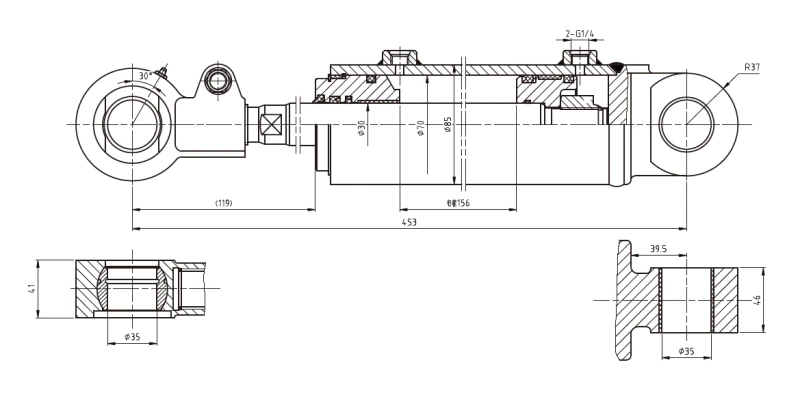
The basic structure of a tilt cylinder includes:
- Barrel (Cylinder Body): The main steel tube that houses the piston and hydraulic fluid
- Piston Rod: The chrome-plated or stainless steel shaft that extends and retracts to create tilting motion
- Piston: A precision-engineered component that divides the barrel into two chambers, allowing bidirectional fluid flow
- Seals: High-performance elastomer or PTFE seals that prevent hydraulic fluid leakage and maintain system pressure
- Rod Gland: The sealed opening where the piston rod exits the cylinder barrel
- Mounting Flanges: Connection points for attaching the cylinder to the forklift chassis and mast assembly
Forklift tilt cylinders typically operate at pressures ranging from 2,100 to 3,500 PSI (pounds per square inch), depending on the specific forklift model and manufacturer specifications. This high-pressure hydraulic system allows even compact forklifts to generate thousands of pounds of force with remarkable precision.
How Does a Forklift Tilt Cylinder Work? Step-by-Step Mechanics
Understanding how a tilt cylinder works requires knowledge of basic hydraulic principles, particularly Pascal’s Law, which states that pressure applied to a confined fluid is transmitted equally in all directions. This fundamental principle is the foundation of all hydraulic cylinder operation.
The Operational Process: Four Key Stages
Stage 1: Fluid Injection and Pressure Build-Up
When the forklift operator engages the tilt control on the hydraulic joystick, a directional control valve opens, allowing pressurized hydraulic fluid to flow into the cylinder barrel. The hydraulic pump, typically powered by the vehicle’s engine, pressurizes the fluid to the required PSI level. This pressurized fluid enters one chamber of the cylinder while fluid from the opposite chamber is simultaneously expelled back to the hydraulic reservoir.
Stage 2: Piston Activation
As pressure builds inside the cylinder, the piston experiences unequal forces. Since the piston rod occupies space on one end of the barrel, the effective piston area on the rod-side chamber is smaller than the cap-end area. This difference in effective area creates directional force, causing the piston to move. The movement of the piston is precisely controlled by the directional control valve, which regulates fluid flow rate and direction.
Stage 3: Linear Motion Conversion
The linear movement of the piston directly translates to mast tilting motion through rigid mechanical linkage. As the piston rod extends or retracts, it physically pushes or pulls on the mast tilt arm, creating the forward or backward tilting action. The speed of this motion is directly proportional to the hydraulic fluid flow rate—faster flow equals faster tilting, while restricted flow creates slow, controlled movement.
Stage 4: Load Stabilization and Return
Once the operator centers the joystick or releases the tilt control, the directional valve closes, creating a closed hydraulic circuit. The confined fluid holds the piston in its current position, maintaining the mast tilt angle and preventing load slippage. This “pilot-operated check valve” function is critical for safety, as it prevents load movement if hydraulic pressure is lost due to component failure.
Key Performance Specifications: What Makes a Quality Tilt Cylinder
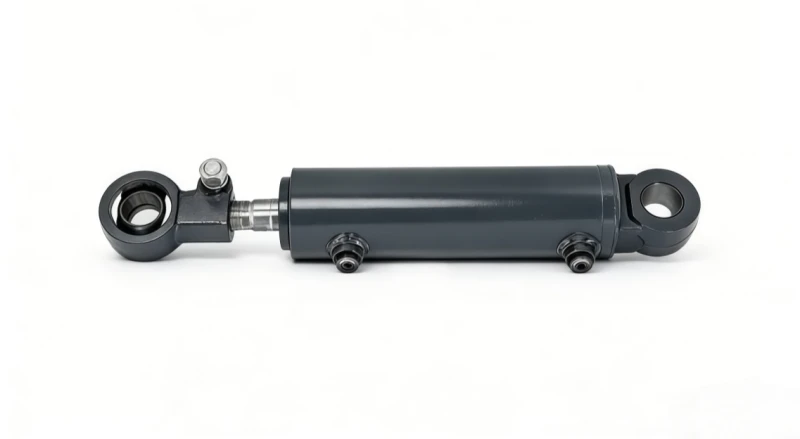
When evaluating forklift tilt cylinder options, several performance metrics determine reliability and service life:
Bore Size and Force Output
The cylinder bore diameter directly determines force output capacity. A larger bore generates greater force. Force is calculated using the formula: Force = Pressure × Area. For example, a 4-inch bore cylinder operating at 3,000 PSI generates approximately 37,700 pounds of force—more than enough to tilt a fully-loaded 15,000-pound forklift load.
Stroke Length
Stroke length determines the maximum tilting angle achievable. Most forklift tilt cylinders have stroke lengths between 8 and 16 inches, providing tilt angles of 6 to 12 degrees forward and backward. Longer strokes allow greater tilting flexibility for specialized applications like paper roll handling or carpet loading.
Rod Diameter and Material
The piston rod must withstand bending and shear forces during operation. High-quality hydraulic cylinder manufacturers use chrome-plated steel rods with hardness ratings of 52-58 HRC (Rockwell hardness). Chrome plating provides corrosion resistance and low friction, reducing seal wear. Some premium applications use induction-hardened or stainless steel rods for extended service life in corrosive environments.
Seal Quality and Material
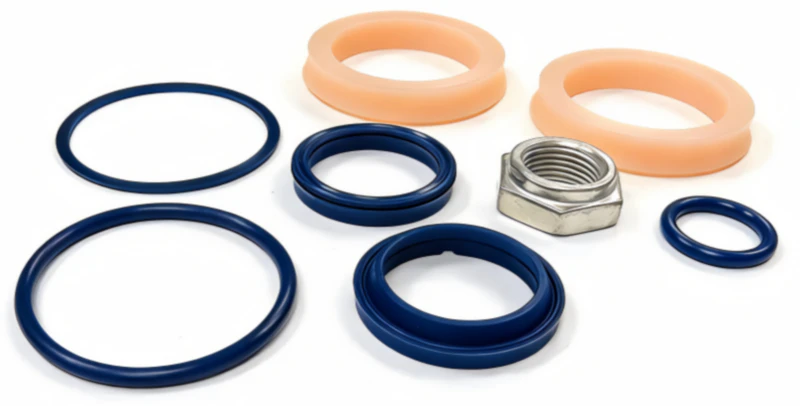
Seals are the component most prone to failure in a forklift tilt cylinder. High-performance seals use polyurethane, PTFE, or advanced elastomer compounds rated for temperatures from -40°F to +212°F (-40°C to +100°C). The seal design must balance sealing effectiveness with low friction to minimize wear and energy loss.
Forklift Tilt Cylinder vs. Lift Cylinder: Key Differences
Many forklift operators confuse the tilt cylinder with the lift cylinder—they perform different functions and have distinct design characteristics:
| Aspect | Tilt Cylinder | Lift Cylinder |
|---|---|---|
| Primary Function | Controls mast tilting (forward/backward) | Controls vertical lifting motion |
| Motion Range | Limited: 6-12 degrees typical | Extended: full mast height (10-40 feet) |
| Load Capacity | Moderate to high (stabilization only) | Very high (full load support) |
| Stroke Length | 8-16 inches typical | 120-400+ inches typical |
| Pressure Rating | 2,100-3,500 PSI | 2,100-3,500 PSI |
| Failure Impact | Loss of tilt control, safety risk | Loss of lifting capability, equipment downtime |
While both cylinders are essential for forklift operation, the tilt cylinder requires more precise control and faster response times. Understanding these differences helps technicians diagnose issues correctly and order appropriate replacement components.
Common Forklift Tilt Cylinder Problems and Warning Signs
Recognizing early warning signs of tilt cylinder problems can prevent catastrophic failure and unsafe operating conditions:
Hydraulic Fluid Leakage
The most common issue affecting forklift tilt cylinders is seal degradation leading to internal or external fluid leakage. Signs include:
- Visible hydraulic oil around the rod gland area
- Slow or jerky tilting motion requiring multiple joystick inputs
- Reduced tilting speed despite normal engine RPM
- Low hydraulic fluid level requiring frequent top-ups
External leaks indicate seal failure, while internal leaks reduce system pressure and control. Both require prompt attention to prevent complete loss of tilt function.
Rod Scoring and Surface Damage
The piston rod’s chrome-plated surface can develop scoring or scratches from contaminated seals or debris. Scored rods accelerate seal wear and create additional leakage pathways. Visual inspection of the rod surface for scratches or pitting is a simple preventive maintenance practice.
Cylinder Drift or Slow Loss of Position
If a tilted mast slowly returns to vertical position without operator input, the pilot-operated check valve may be failing. This dangerous condition can result in unexpected load movement or mast collapse. Immediate repair is essential.
Rod Contamination
Dirt, dust, and debris accumulating on the piston rod reduce seal effectiveness and cause premature failure. Regular cleaning of the rod with a soft cloth prevents contamination buildup. In dusty environments, rod wiper rings or protective covers can extend seal life significantly.
Maintenance and Care: Extending Tilt Cylinder Service Life
Proper maintenance of your hydraulic cylinder system is the most cost-effective way to ensure reliable forklift operation and prevent unexpected downtime.
Daily Inspection Routine
Implement a simple five-minute daily inspection:
- Visual Check: Look for visible hydraulic fluid leaks around the cylinder rod and connections
- Rod Cleaning: Wipe the piston rod clean with a soft, lint-free cloth to remove dust and debris
- Motion Test: Operate the tilt function through full range of motion, listening for unusual sounds
- Fluid Level: Check the hydraulic reservoir level and top up if necessary with the specified hydraulic fluid
- Pressure Gauge: Note the hydraulic system pressure displayed on the gauge; significant changes indicate problems
Scheduled Maintenance
Follow these maintenance intervals:
- Monthly: Inspect cylinder mounting bolts for tightness; check for external leaks; verify smooth tilting operation
- Quarterly: Clean hydraulic filter; inspect all hydraulic hoses for cracks, bulges, or leaks
- Annually: Change hydraulic fluid and filter; have a certified technician perform full system pressure test
- As Needed: Address any unusual sounds, slow response, or fluid leakage immediately
Hydraulic Fluid Selection
Using the correct hydraulic fluid type is critical for seal longevity and system performance. Most manufacturers specify ISO VG 46 hydraulic oil with anti-wear additives (AW). Using incorrect fluid viscosity or contaminated fluid dramatically reduces seal life and increases wear on precision components.
Choosing the Right Tilt Cylinder: Selection Guide
When you need to replace a worn forklift tilt cylinder or upgrade your equipment, several factors should guide your decision:
OEM vs. Aftermarket Options
Original Equipment Manufacturer (OEM) cylinders offer guaranteed compatibility and warranty support but typically cost 30-50% more than quality aftermarket alternatives. Aftermarket cylinders from reputable manufacturers can provide excellent value if they meet your equipment’s pressure rating, bore size, and stroke length specifications.
Performance Specifications
Before ordering a replacement, verify:
- Bore diameter (typically 2.5″ to 5″ for forklift applications)
- Rod diameter (typically 1.5″ to 3″)
- Stroke length (8-16 inches for tilt cylinders)
- Maximum operating pressure rating
- Mounting configuration (clevis, flange, or trunnion)
- Fluid port thread size and type
Quality Indicators
High-quality hydraulic cylinder manufacturers provide:
- ISO 9001:2015 quality certification
- Detailed product specifications and performance curves
- Extended warranty (typically 1-2 years)
- Technical support and cross-reference guides
- Pressure-tested units with documented test certificates
The Role of Supporting Components: Rod-End Bearings and Linkages
The tilt cylinder doesn’t operate in isolation. Precision rod-end bearings and mechanical linkage components are equally important for smooth operation and load stability. For detailed information on how rod-end bearings function within tilt cylinder assemblies, learn about rod-end bearings in forklift tilt cylinders.
These supporting components allow the cylinder rod to articulate through multiple planes of motion while maintaining alignment and reducing stress concentrations that could lead to premature failure.
Safety Considerations and Best Practices
Operating a forklift with a faulty tilt cylinder presents serious safety risks:
- Load Instability: Inability to tilt the load into a secure position can result in shifting cargo and accidents
- Operator Injury: Unexpected load movement or mast collapse can injure operators and nearby personnel
- Equipment Damage: Continued operation with hydraulic leaks can damage the mast assembly and other components
- Regulatory Compliance: OSHA standards require equipment to be maintained in safe working condition
Never operate a forklift with known tilt cylinder problems. Schedule maintenance immediately if you experience any symptoms of cylinder failure.
Advanced Applications: Specialized Tilt Cylinders
Beyond standard warehouse operations, specialized forklift tilt cylinders serve specific industries:
Telescopic Tilt Cylinders
These cylinders provide extended reach for applications like carpet roll handling or paper mill operations, where additional tilting angle is required. Telescopic designs allow larger stroke lengths while maintaining compact collapsed dimensions.
High-Pressure Systems
Specialized industrial forklifts designed for extreme duty applications may operate at 4,500-5,500 PSI, requiring heavy-duty cylinders with reinforced barrels and precision seals.
Proportional Control Cylinders
Modern forklifts incorporate proportional directional control valves that work with hydraulic cylinders to provide smooth, modulated tilting without discrete steps or jerky motion. This advanced technology improves load stability and operator control.
Conclusion: Ensuring Reliable Forklift Operation
The forklift tilt cylinder is a sophisticated hydraulic device that demands respect and proper maintenance. Understanding how these components work, recognizing warning signs of failure, and implementing preventive maintenance practices will keep your equipment operating safely and efficiently for years to come.
Whether you’re managing a small warehouse fleet or operating industrial-scale material handling equipment, investing in quality hydraulic cylinders and scheduled maintenance pays dividends through reduced downtime, improved safety, and extended equipment life.
Ready to upgrade your forklift fleet with premium-quality hydraulic cylinders? Our team of experts specializes in custom-engineered tilt cylinder solutions tailored to your specific application requirements. We provide comprehensive consultation, competitive pricing, and technical support to ensure your equipment performs at peak efficiency.
.webp)
Contact Us Today for Expert Hydraulic Cylinder Solutions
Don’t compromise on quality when it comes to your forklift hydraulic systems. Our experienced engineers are ready to help you select, maintain, or upgrade your hydraulic cylinder equipment. Whether you need OEM replacements, custom engineering, or comprehensive maintenance support, we have the expertise to solve your material handling challenges.
Request a Quote Today: Contact our technical team for personalized recommendations and competitive pricing on premium-quality hydraulic cylinders for your specific application requirements.