.webp)
A 2026 Engineering Analysis of the 50 micron Plating Standard, Micro-Cracking Physics, and Longevity in Marine and Industrial Environments.
In the unforgiving climates of offshore energy, container ports, and chemical processing, the hydraulic piston rod is the most vulnerable component of the entire machine. It is the only precision surface that must transition between the internal protection of oil and the external aggression of the atmosphere.
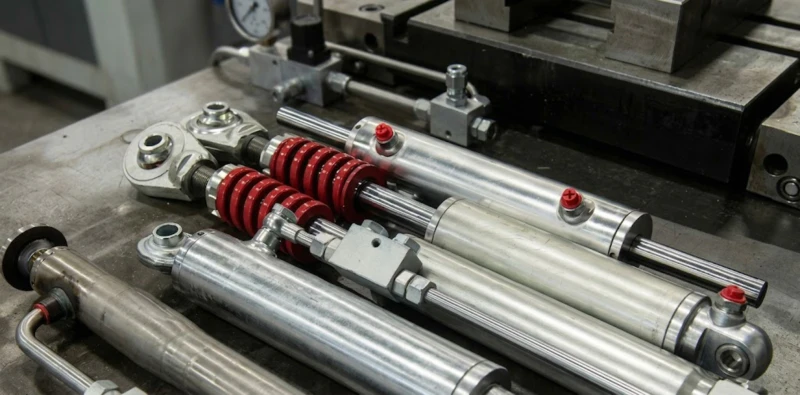
As of 2026, the global standard for “Heavy-Duty” surface protection has shifted. While 20 or 30 microns of chrome were once sufficient for indoor applications, the rise of multi-decade infrastructure assets has made the 50 micron (50μm) hard chrome standard the non-negotiable benchmark. At tiltcylinder.net, our EP series is engineered with this high-density armor to solve the industry’s most persistent failure mode: rod pitting.
Rod pitting is not merely a cosmetic issue. It is a precursor to seal destruction. When a rod develops microscopic corrosion spots, it effectively becomes a serrated blade, shredding Japanese NOK seals upon every retraction. This white-paper provides a granular analysis of why 50 microns is the “magic number” for salt spray resistance, the chemistry of the chrome matrix, and the economic ROI of choosing high-spec plating for your fleet.
The Chrome Paradox: Micro-Cracks and Moisture Paths
To understand why thickness matters, one must understand that hard chrome is not a solid, impermeable sheet. On a microscopic level, electro-deposited chrome contains a network of fine cracks known as “micro-cracking.” These cracks are a natural result of the internal stresses during the plating process.
The 2026 Technical Insight: If the plating is too thin (e.g., 20 microns), these micro-cracks can align to form a direct “highway” from the salt-laden atmosphere to the raw ST52.3 steel substrate. Once moisture reaches the steel, galvanic corrosion begins, forcing the chrome to flake off from underneath.
When we increase the thickness to 50 microns, we utilize a “Duplex” or multi-layer plating strategy. By applying the chrome in multiple passes, the micro-cracks in the second layer do not align with the first. This creates a labyrinthine path that salt and moisture cannot easily penetrate, effectively extending the Neutral Salt Spray (NSS) resistance from 48 hours to over 120 hours.
Performance Matrix: Plating Thickness vs. Salt Spray Hours
| Plating Type | Thickness | NSS Resistance | Environment |
|---|---|---|---|
| Standard Commercial | 15 – 20 μm | 24 – 48 Hours | Indoor Warehouse |
| Industrial Grade | 25 – 30 μm | 72 – 96 Hours | General Construction |
| EP Series (Marine) | 45 – 55 μm | 120 – 200+ Hours | Coastal / Offshore |
The Hardness Foundation: HRC 55-60 Synergy
Plating thickness is only half the battle. If the steel rod underneath the chrome is soft, a minor impact from a falling tool or a piece of construction debris will create a “dent.” Because chrome is incredibly hard but brittle, it cannot bend with the steel; it will crack. This is known as the Eggshell Effect.
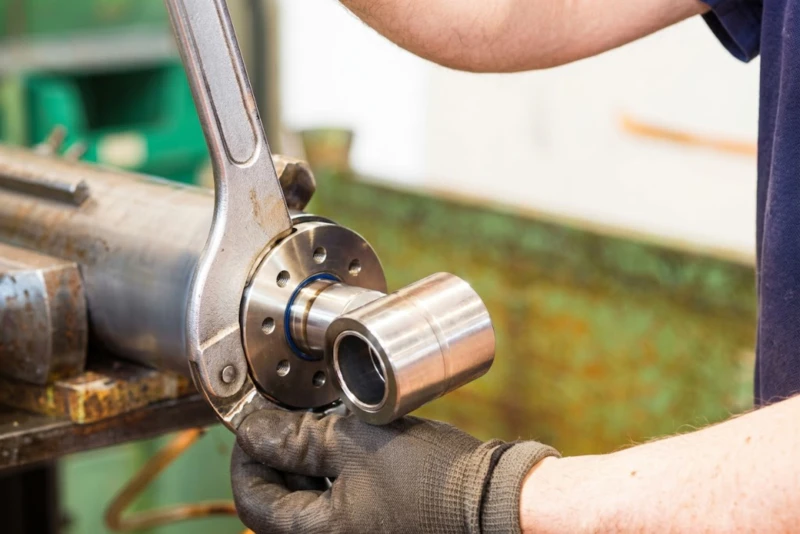
To prevent this, every EP series rod undergoes Induction Quenching prior to plating. This process creates a hardened surface case (approximately 1.5mm to 2.5mm deep) with a hardness of HRC 55-60. By providing a rigid foundation, we ensure that the 50 micron chrome layer is never subjected to the substrate deformation that causes impact-induced corrosion.

The EP Series Plating Advantage
50μm Shield
Double the industry standard thickness creates a labyrinthine micro-crack barrier against saltwater penetration.
Case Hardened
Induction quenching to HRC 55-60 prevents the Eggshell Effect, protecting the chrome from mechanical impact dings.
Seal Life ROI
A pit-free rod surface ensures that Japanese NOK seals operate without abrasive wear for millions of cycles.
NSS Verified
Every batch is verified via 120-hour Neutral Salt Spray testing to ensure absolute reliability in coastal port operations.
Extreme Deployments: When 50 microns is Mandatory
In 2026, the cost of unplanned maintenance in remote environments has reached an all-time high. There are three specific sectors where the 50 micron chrome standard is no longer an upgrade, but a requirement:
– Offshore Wind Energy: Pitch and yaw cylinders are exposed to constant salt-mist 150 meters above the sea. A pitted rod in a turbine nacelle can cost 50,000 USD in mobilization fees alone to repair.
– Container Port Logistics: Reach stackers and ship-to-shore cranes operate in high-salinity zones. The constant movement of abrasive sea-dust requires the maximum possible surface hardness to prevent rod scoring.
– Waste and Recycling: Compactors are exposed to acidic leachate which is more corrosive than saltwater. The multi-layer chrome barrier of the EP series is the only defense against hydrogen embrittlement in the rod steel.
.webp)
Economic Intelligence: The Lifecycle Value of Thick Plating
While a cylinder with 50 micron plating may have a 12 percent higher initial purchase price than a 20 micron alternative, the Total Cost of Ownership (TCO) over a 10-year period is significantly lower.
- Reduced Seal Failures: 80 percent of external cylinder leaks are caused by rod surface damage. 50 micron plating reduces this failure rate by over 60 percent.
- Eliminated Rod Re-chroming: Maintenance managers often waste thousands re-chroming pitted rods. EPYY rods are designed to last the life of the machine.
- Environmental Compliance: Pitted rods carry hydraulic oil out of the cylinder and into the soil. High-integrity rods ensure your site remains leak-free and compliant.
- Higher Resale Valuation: Buyers of used cranes and forklifts look at the rod condition first. A clean, rust-free rod set adds thousands to the machine’s secondary value.
Conclusion: Why 50 microns is the Threshold of Excellence
As we move further into 2026, the engineering margin for “average” performance has vanished. In an interconnected global economy, the cost of a single component failure ripples through the entire supply chain. Hard chrome plating thickness is the silent barrier that protects your fleet’s productivity. By moving to the 50 micron standard, we are not just providing a thicker layer of metal; we are providing a structural insurance policy for your most valuable assets. At tiltcylinder.net, we combine this metallurgical mastery with Japanese sealing excellence to ensure that your machines remain stable, efficient, and profitable, no matter how harsh the environment.
Armor Your Operations Today
Eliminate rod pitting and seal destruction. Connect with our engineering team for specialized EP series marine-grade plating or high-volume OEM support.
120H NSS Salt Spray Performance
Marine-Grade Chrome
Worldwide Shipping