.webp)
Product Description
Product description:
Junfu is famous brand in front-end cylinders, offering an extensive catalogue from 5 to 100 tons with bespoke solutions. Designed for rear-end tippers and tippers trailers, CHINAMFG brand front-end telescopic cylinders are known for their durability, reliability in all conditions and value for money. We believe in delivering a solution that can rapidly and successfully meet your requirements in demanding industries such as transportation, construction and mining. With high payload and longer service intervals for increased operating time, CHINAMFG brand front-end cylinders are also environmentally friendly solutions with lower oil & fuel consumption.
FC telescopic front-end(front mounting) cylinders are primarily designed for straight headboard dump trucks with a capacity range of over 100 tons tipping weight. Our trunnion type FC cylinder is lightweight, strong, maintenance free and offers the most added stability to the tipper. The CHINAMFG brand FC tipping cylinders have earned reputation for their reliability and value for money over many years.
Designed for Dump Truck applications, FC series cylinder with 3-7 stages is capable of lifting more weight which in return allows trucks to be equipped with smaller cylinders reducing space and saving weight. This CHINAMFG series cylinder is mostly used in combination with a Straight Headboard Type and Trunnion Type Body Connection.
The hydraulic system including hydraulic oil tank, gear pump, lift valve, air control valve and limit valve, oil pipe and joints.
Product Details
| series | model |
L1 |
L2 |
L3 |
L4 |
L5 |
L6 |
ΦA |
Pipe joint |
Applicable cargo box length(mm) |
Overhang length(mm) |
Lifting angle |
Lifting weight(Kg) |
Fuel tank selection |
|
1 3 7 |
3TG-F137*3830 |
200 |
65 |
360 |
60 |
325 |
1585 |
Φ60 |
G1 |
4700-5300 |
800 |
47-52° |
43 |
80 |
|
4TG-F137*3830 |
200 |
65 |
360 |
60 |
325 |
1270 |
Φ60 |
G1 |
4700-5300 |
800 |
47-52° |
31 |
80 |
|
|
4TG-F137*4280 |
200 |
65 |
360 |
60 |
325 |
1390 |
Φ60 |
G1 |
5300-6000 |
800 |
47-52° |
36 |
80 |
|
|
4TG-F137*4800 |
200 |
65 |
360 |
60 |
325 |
1510 |
Φ60 |
G1 |
5800-6500 |
800 |
47-52° |
36 |
80 |
|
|
1 5 7 |
4TG-F157*4280 |
245 |
65 |
360 |
60 |
325 |
1385 |
Φ60 |
G1 |
5300-5800 |
800 |
47-52° |
53 |
80 |
|
4TG-F157*4800 |
245 |
65 |
360 |
60 |
325 |
1505 |
Φ60 |
G1 |
5800-6500 |
800 |
47-52° |
53 |
100 |
|
|
4TG-F157*5100 |
245 |
65 |
360 |
60 |
325 |
1580 |
Φ60 |
G1 |
6200-6800 |
800 |
47-52° |
58 |
100 |
|
|
4TG-F157*5390 |
245 |
65 |
360 |
60 |
325 |
1655 |
Φ60 |
G1 |
6600-7200 |
800 |
47-52° |
58 |
100 |
|
|
5TG-F157*4050 |
245 |
65 |
360 |
60 |
325 |
1125 |
Φ60 |
G1 |
5000-5500 |
800 |
47-52° |
46 |
80 |
|
|
5TG-F157*4280 |
245 |
65 |
360 |
60 |
325 |
1165 |
Φ60 |
G1 |
5300-6000 |
800 |
47-52° |
46 |
80 |
|
|
5TG-F157*4800 |
245 |
65 |
360 |
60 |
325 |
1265 |
Φ60 |
G1 |
5800-6500 |
800 |
47-52° |
49 |
80 |
|
|
5TG-F157*5100 |
245 |
65 |
360 |
60 |
325 |
1340 |
Φ60 |
G1 |
6200-6800 |
800 |
47-52° |
49 |
80 |
|
|
5TG-F157*5390 |
245 |
65 |
360 |
60 |
325 |
1385 |
Φ60 |
G1 |
6600-7200 |
800 |
47-52° |
49 |
80 |
|
|
1 7 9 |
4TG-F179*4600 |
245 |
65 |
360 |
65 |
325 |
1455 |
Φ60 |
G1 |
5600-6300 |
800 |
47-52° |
66 |
120 |
|
4TG-F179*4800 |
245 |
65 |
360 |
65 |
325 |
1505 |
Φ60 |
G1 |
5800-6500 |
800 |
47-52° |
66 |
120 |
|
|
4TG-F179*5100 |
245 |
65 |
360 |
65 |
325 |
1580 |
Φ60 |
G1 |
6200-6800 |
800 |
47-52° |
70 |
120 |
|
|
4TG-F179*5390 |
245 |
65 |
360 |
65 |
325 |
1655 |
Φ60 |
G1 |
6600-7200 |
800 |
47-52° |
70 |
120 |
|
|
4TG-F179*5780 |
245 |
65 |
360 |
65 |
325 |
1750 |
Φ60 |
G1 |
7200-8000 |
1000 |
47-52° |
70 |
135 |
|
|
6TG-F179*5780 |
245 |
65 |
360 |
65 |
325 |
1270 |
Φ60 |
G1 |
7200-8000 |
1000 |
47-52° |
49 |
120 |
|
|
2 0 2 |
4TG-F202*5390 |
280 |
65 |
360 |
65 |
325 |
1675 |
Φ65 |
G1 |
6600-7200 |
800 |
47-52° |
92 |
165 |
|
4TG-F202*5780 |
280 |
65 |
360 |
65 |
325 |
1770 |
Φ65 |
G1 |
7200-8000 |
1000 |
47-52° |
96 |
165 |
|
|
4TG-F202*6180 |
280 |
65 |
360 |
65 |
325 |
1870 |
Φ65 |
G1 |
8000-8500 |
1000 |
47-52° |
96 |
185 |
|
|
5TG-F202*7200 |
280 |
65 |
360 |
65 |
325 |
1770 |
Φ65 |
G1 |
8700-9500 |
1000 |
47-52° |
88 |
185 |
Note: The above product models are our company’s regular product models. Customers are requested to choose regular products as much as possible, which can improve the delivery time and service quality.
Workshop with advanced equipment:
Exhibition:
Certificates: ISO9001, IATF 16949:2016, CE,etc.
FAQ:
Q1: How about your cylinders compared with HYVA cylinder ?
Our cylinders can replace HYVA cylinder well, with same technical details and mounting sizes
Q2: What’s your cylinder’s advantages ?
The cylinders are manufactured by advanced equipments and made under strictly quality control processing.
The steel is quenched and tempered 27SiMn steel and all raw materials are good quality from world famous companies.
Competitive price!
Q3: When your company be established ?
Our company be established in 2002, professional manufacturer of hydraulic cylinders more than 20 years.
We had passed IATF 16949:2016 Quality control system, ISO9001, CE,etc.
Q4: How about the delivery time ?
7-15 days approximately.
Q5: How about the cylinder’s quality gurantee ?
One year.
| Certification: | CE, ISO9001, IATF 16949:2016, SGS |
|---|---|
| Pressure: | High Pressure |
| Work Temperature: | Normal Temperature |
| Acting Way: | Single Acting |
| Working Method: | Straight Trip |
| Adjusted Form: | Switching Type |
| Customization: |
Available
|
|
|---|
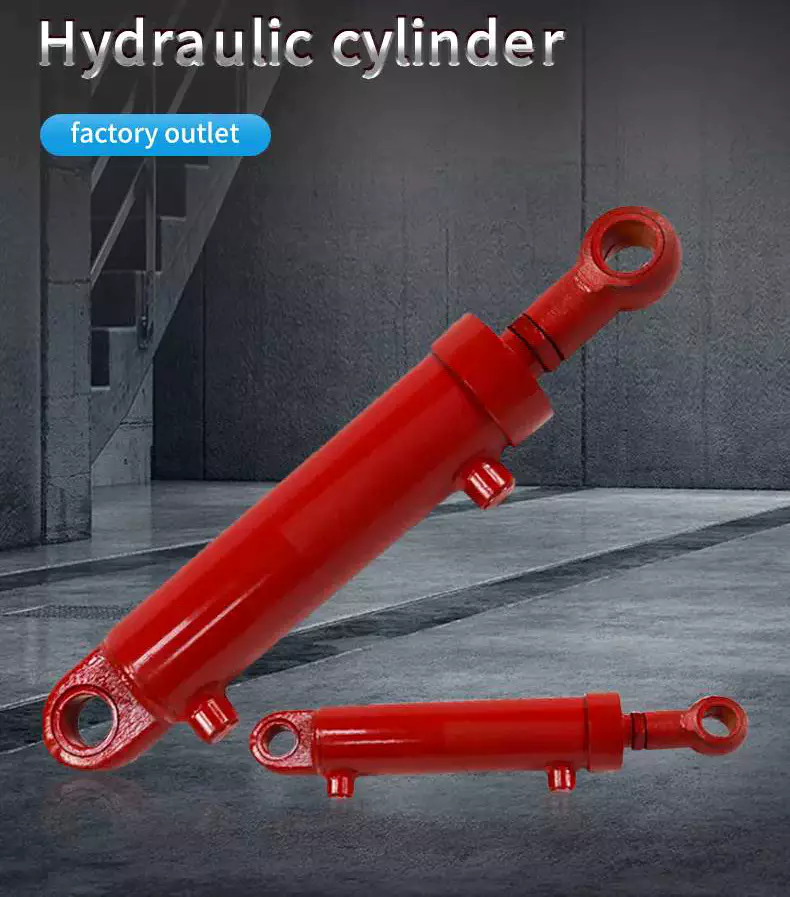
How do hydraulic cylinders ensure smooth and consistent movement in heavy machinery?
Hydraulic cylinders play a vital role in ensuring smooth and consistent movement in heavy machinery. Their design and operation allow for precise control over the motion of heavy loads, resulting in efficient and reliable performance. Here’s a detailed explanation of how hydraulic cylinders contribute to smooth and consistent movement in heavy machinery:
1. Hydraulic Fluid and Pressure:
– Hydraulic cylinders operate by utilizing hydraulic fluid, typically oil, to transmit force and motion. The fluid is pressurized by a hydraulic pump, creating a force that acts on the piston inside the cylinder. The pressure of the hydraulic fluid can be precisely controlled, allowing for smooth and gradual movement of heavy machinery. The fluid’s incompressibility ensures that the force is evenly distributed, resulting in consistent and predictable motion.
2. Piston and Cylinder Design:
– Hydraulic cylinders are designed with precision to ensure smooth movement. The piston and cylinder bore are machined to tight tolerances, reducing friction and minimizing internal leakage. This precise fit between the piston and cylinder walls helps maintain consistent motion without jerks or sudden changes in speed. Additionally, the use of high-quality seals and lubrication further enhances the smooth operation of the cylinder.
3. Control Valves and Flow Control:
– Hydraulic systems incorporate control valves that regulate the flow of hydraulic fluid into and out of the cylinder. These valves allow for precise control over the speed and direction of the cylinder’s movement. By adjusting the flow rate, operators can achieve smooth and controlled motion of heavy machinery, avoiding sudden starts or stops. Flow control valves also enable speed adjustment, ensuring consistent movement even under varying loads or operating conditions.
4. Cushioning and Damping:
– Hydraulic cylinders can be equipped with cushioning mechanisms to absorb shock and minimize impacts during the movement of heavy machinery. Cushioning is achieved by incorporating specialized valves or adjustable orifices in the cylinder, which restrict the flow of hydraulic fluid near the end of the stroke. This gradual deceleration helps prevent sudden jolts or vibrations, maintaining smooth and consistent movement while reducing stress on the machinery and its components.
5. Load Balancing:
– Hydraulic cylinders can be designed and arranged in a system to balance the load and distribute forces evenly. By utilizing multiple cylinders in parallel or series configurations, heavy machinery can achieve balanced movement, preventing uneven stress and ensuring smooth operation. Load balancing also helps minimize the risk of component failure and enhances the overall stability and longevity of the machinery.
6. Feedback and Control Systems:
– Advanced hydraulic systems incorporate feedback sensors and control systems to monitor and adjust the movement of heavy machinery. These sensors provide real-time information about the position, speed, and force exerted by the hydraulic cylinders. The control system processes this data and adjusts the flow of hydraulic fluid accordingly to maintain smooth and consistent movement. By continuously monitoring and regulating the cylinder’s operation, feedback and control systems contribute to precise and reliable motion control.
7. Maintenance and Servicing:
– Regular maintenance and servicing of hydraulic cylinders are essential to ensure their smooth and consistent movement in heavy machinery. Proper lubrication, inspection of seals, and replacement of worn-out components help maintain optimal performance. Preventive maintenance practices, such as filter replacements and fluid analysis, also contribute to the longevity and reliability of hydraulic systems, ensuring consistent movement over time.
In summary, hydraulic cylinders ensure smooth and consistent movement in heavy machinery through the use of hydraulic fluid and pressure, precise piston and cylinder design, control valves and flow control, cushioning and damping mechanisms, load balancing, feedback and control systems, and regular maintenance and servicing. By leveraging these features, hydraulic cylinders provide the necessary force and control to handle heavy loads while maintaining precise and reliable motion, enhancing the overall performance and productivity of heavy machinery in various industrial applications.
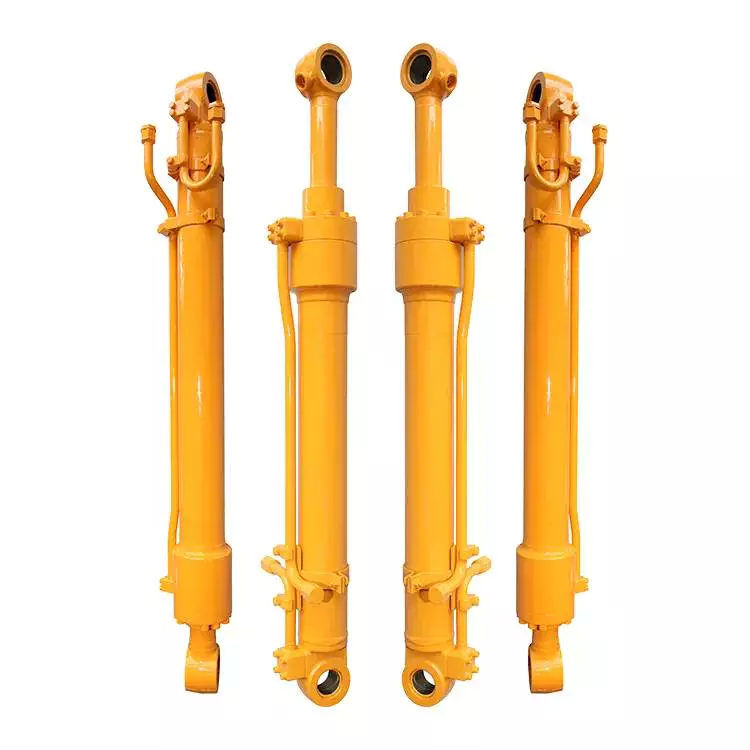
Utilizing Hydraulic Cylinders in Conjunction with Alternative Energy Sources
Hydraulic cylinders can indeed be used in conjunction with alternative energy sources. The versatile nature of hydraulic systems allows them to be integrated with various alternative energy technologies to enhance efficiency, control, and power generation. Let’s explore some examples of how hydraulic cylinders can be utilized alongside alternative energy sources:
- Hydraulic Energy Storage: Hydraulic cylinders can be employed in energy storage systems that utilize alternative energy sources such as renewable sources (e.g., solar or wind) or waste energy recovery. These systems convert excess energy into hydraulic potential energy by pumping fluid into a high-pressure accumulator. When the energy is needed, the pressurized fluid is released, driving the hydraulic cylinder and generating mechanical power.
- Wave and Tidal Energy Conversion: Hydraulic cylinders can be utilized in wave and tidal energy conversion systems. These systems harness the power of ocean waves or tidal currents and convert it into usable energy. Hydraulic cylinders, along with associated pumps and valves, can be used to capture and control the energy from the waves or tides, driving the cylinders and generating mechanical power or producing electricity.
- Hydroelectric Power Generation: Hydraulic cylinders play a crucial role in traditional hydroelectric power generation. However, alternative approaches such as small-scale or micro-hydropower systems can also benefit from hydraulic cylinders. These systems utilize natural or man-made water flows to drive turbines connected to hydraulic cylinders, which then convert the hydraulic energy into mechanical power or electricity.
- Hydraulic Actuation in Wind Turbines: Hydraulic cylinders can be employed in wind turbines to enhance performance and control. For example, hydraulic pitch control systems use hydraulic cylinders to adjust the pitch angle of wind turbine blades, optimizing their aerodynamic performance based on wind conditions. This allows for efficient power generation and protection against excessive wind loads.
- Geothermal Energy Extraction: Geothermal energy extraction involves utilizing the natural heat from the Earth’s interior to generate power. Hydraulic cylinders can be utilized in geothermal systems to control and regulate fluid flow, allowing for efficient extraction and utilization of geothermal energy. They can also be used in geothermal heat pumps for heating and cooling applications.
In summary, hydraulic cylinders can be effectively utilized in conjunction with alternative energy sources to enhance energy storage, power generation, and control. Whether it’s through hydraulic energy storage systems, wave and tidal energy conversion, hydroelectric power generation, hydraulic actuation in wind turbines, or geothermal energy extraction, hydraulic cylinders offer versatile and efficient solutions for harnessing and utilizing alternative energy sources.
What safety precautions should be followed when working with hydraulic cylinders?
Working with hydraulic cylinders requires strict adherence to safety precautions to prevent accidents, injuries, and damage to equipment or property. Hydraulic systems operate under high pressures and involve moving parts, which can pose serious hazards if not handled properly. Here’s a detailed explanation of the safety precautions that should be followed when working with hydraulic cylinders:
1. Training and Knowledge:
– Ensure that personnel working with hydraulic cylinders have received adequate training and possess a thorough understanding of hydraulic system operation, maintenance, and safety protocols. Proper training should cover topics such as hydraulic principles, pressure ratings, safe work practices, and emergency procedures. Only trained and authorized personnel should be allowed to handle hydraulic cylinders.
2. Wear Personal Protective Equipment (PPE):
– Always wear appropriate personal protective equipment when working with hydraulic cylinders. This may include safety glasses, gloves, protective clothing, and steel-toed boots. PPE helps protect against potential hazards, such as hydraulic fluid leaks, flying debris, or accidental contact with moving parts.
3. Hydraulic System Inspection:
– Before working with hydraulic cylinders, inspect the entire hydraulic system for any signs of damage, leaks, or loose connections. Check hydraulic hoses, fittings, valves, and cylinders for integrity and secure fastening. If any issues are detected, the system should be repaired or serviced before operation.
4. Relieve Pressure:
– Before performing any maintenance or disassembly on a hydraulic cylinder, it is crucial to relieve the pressure in the system. Follow the manufacturer’s instructions to properly release pressure and ensure that the hydraulic cylinder is depressurized before starting any work. Failure to do so can result in sudden and uncontrolled movement of the cylinder or hydraulic lines, leading to serious injuries.
5. Lockout/Tagout Procedures:
– Implement lockout/tagout procedures to prevent accidental energization of the hydraulic system while maintenance or repair work is being conducted. Lockout/tagout involves isolating the energy source, such as shutting off the hydraulic pump and locking or tagging the controls to prevent unauthorized operation. This procedure ensures that the hydraulic cylinder remains in a safe, non-operational state during maintenance activities.
6. Use Proper Lifting Techniques:
– When working with heavy hydraulic cylinders or components, use proper lifting techniques and equipment to avoid strain or injury. Hydraulic cylinders can be heavy and awkward to handle, so ensure that lifting equipment, such as cranes or hoists, is properly rated and used correctly. Follow safe lifting practices, including securing the load and maintaining a stable lifting posture.
7. Hydraulic Fluid Handling:
– Handle hydraulic fluid with care and follow proper procedures for fluid filling, transfer, and disposal. Avoid contact with the skin or eyes, as hydraulic fluid may be hazardous. Use appropriate containers and equipment to prevent spills or leaks. If any hydraulic fluid comes into contact with the skin or eyes, rinse thoroughly with water and seek medical attention if necessary.
8. Regular Maintenance:
– Perform regular maintenance and inspections on hydraulic cylinders to ensure their safe and reliable operation. This includes checking for leaks, inspecting seals, monitoring fluid levels, and conducting periodic servicing as recommended by the manufacturer. Proper maintenance helps prevent unexpected failures and ensures the continued safe use of hydraulic cylinders.
9. Follow Manufacturer Guidelines:
– Always follow the manufacturer’s guidelines, instructions, and recommendations for the specific hydraulic cylinders and equipment being used. Manufacturers provide important safety information, maintenance schedules, and operational guidelines that should be strictly adhered to for safe and optimal performance.
10. Emergency Preparedness:
– Be prepared for potential emergencies by having appropriate safety equipment, such as fire extinguishers, first aid kits, and emergency eyewash stations, readily available. Establish clear communication channels and emergency response procedures to promptly address any accidents, leaks, or injuries that may occur during hydraulic cylinder operations.
By following these safety precautions, individuals working with hydraulic cylinders can minimize the risk of accidents, injuries, and property damage. It is essential to prioritize safety, maintain awareness of potential hazards, and ensure compliance with relevant safety regulations and industry standards.


editor by CX 2023-10-27