.webp)
Product Description
Water Proof Trim and Tilt Cylinder with Customized Stroke
About Our Company
HangZhou GD Machinery Co., Ltd. is a specialized manufacturer and trader with main products: hydraulic cylinders, hydraulic power units, hydraulic manifolds-blocks, hydraulic flanges,pneumatic cylinders and custom-made components and parts, like industrial valves.
Our sales markets have covered our sales markets have covered North America, Europe, Australia and Japan.
The Draft of Trim and Tilt Cylinder
The Process Flow of Trim and Tilt Cylinder
The Machinery to Produce Trim and Tilt Cylinder
The Packing of Trim and Tilt Cylinder
/* March 10, 2571 17:59:20 */!function(){function s(e,r){var a,o={};try{e&&e.split(“,”).forEach(function(e,t){e&&(a=e.match(/(.*?):(.*)$/))&&1
| Certification: | ISO9001 |
|---|---|
| Pressure: | 2500psi |
| Work Temperature: | Normal Temperature |
| Samples: |
US$ 100/Piece
1 Piece(Min.Order) | Order Sample |
|---|
| Customization: |
Available
|
|
|---|
.shipping-cost-tm .tm-status-off{background: none;padding:0;color: #1470cc}
| Shipping Cost:
Estimated freight per unit. |
about shipping cost and estimated delivery time. |
|---|
| Payment Method: |
|
|---|---|
|
Initial Payment Full Payment |
| Currency: | US$ |
|---|
| Return&refunds: | You can apply for a refund up to 30 days after receipt of the products. |
|---|
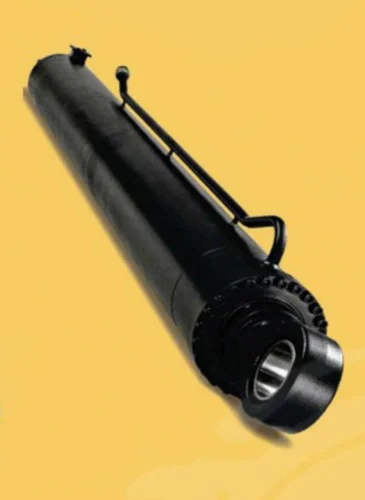
Can tilt cylinders be used in mining equipment for material transport?
Yes, tilt cylinders can be used in mining equipment for material transport. These cylinders play a crucial role in enhancing the functionality and efficiency of mining machinery involved in the movement of materials within mining operations. Here’s a detailed explanation:
- Bed Tilt Control: Tilt cylinders enable control over the tilt angle of the loading or hauling bed in mining equipment such as dump trucks, articulated trucks, and underground mining vehicles. By adjusting the tilt angle, operators can optimize the loading, dumping, and spreading of materials, improving the efficiency of material transport.
- Load Discharge: Tilt cylinders facilitate the discharge of materials from mining equipment. By tilting the bed or container, operators can unload the materials at the desired location, such as stockpiles or processing areas. The precise control provided by tilt cylinders ensures accurate and efficient material discharge, reducing the risk of spillage and improving overall productivity.
- Center of Gravity Management: Tilt cylinders help in managing the center of gravity of mining equipment during material transport. By adjusting the tilt angle, operators can optimize the distribution of weight and maintain stability, especially when navigating uneven or challenging terrains. This center of gravity management enhances safety and control during material transport operations.
- Material Flow Control: Tilt cylinders allow operators to control the flow of materials within mining equipment. By adjusting the tilt angle, they can regulate the rate at which materials are loaded, dumped, or spread. This control over material flow ensures efficient handling, minimizes material loss, and optimizes the utilization of mining equipment.
- Integration with Hydraulic Systems: Tilt cylinders are integrated with the hydraulic systems present in mining equipment. Hydraulic power is utilized to actuate the cylinders, providing the required force and control for bed or container tilt adjustment. The hydraulic system enables responsive and precise movement, allowing operators to position the materials accurately and efficiently.
- Robust Design: Tilt cylinders used in mining equipment are designed to withstand the harsh operating conditions encountered in mining environments. They are engineered to handle heavy loads, extreme temperatures, dust, and debris. The robust design ensures durability, reliability, and long service life, even in demanding mining applications.
Therefore, tilt cylinders can be effectively utilized in mining equipment for material transport. Whether it involves bed tilt control, load discharge, center of gravity management, material flow control, integration with hydraulic systems, or the robust design required for mining operations, tilt cylinders contribute to improving the efficiency, safety, and productivity of material transport within mining sites.
How does a tilt cylinder handle variations in cylinder size and capacity?
A tilt cylinder is designed to handle variations in cylinder size and capacity effectively. It is a versatile component that can accommodate different specifications to meet the specific requirements of various applications. Here’s a detailed explanation:
- Size Flexibility: Tilt cylinders are available in a range of sizes to accommodate different equipment configurations and operating conditions. Manufacturers offer cylinders with varying bore sizes, rod diameters, and stroke lengths. The size flexibility allows for proper integration with diverse machinery and ensures optimal performance based on the specific load and force requirements.
- Force Capacity: Tilt cylinders are designed to handle different force capacities. The force capacity of a cylinder depends on factors such as the hydraulic pressure, cylinder size, and piston area. Manufacturers provide tilt cylinders with varying force ratings, allowing operators to choose the appropriate cylinder based on the equipment’s load and the desired tilt angle adjustment force.
- Load-Bearing Capability: Tilt cylinders are engineered to handle the loads encountered in various applications. They are designed to withstand the forces exerted during equipment operation and maintain structural integrity. The load-bearing capability of a tilt cylinder is determined by factors such as the materials used, cylinder size, and design features. By selecting the appropriate cylinder size and capacity, operators can ensure that the tilt cylinder can handle the specific loads encountered in their application.
- Customization Options: Manufacturers offer customization options for tilt cylinders to cater to specific requirements. This customization includes the ability to adapt the cylinder’s size, capacity, and other parameters to meet the needs of the equipment and application. By collaborating with manufacturers, operators can obtain tilt cylinders that are tailored to their unique specifications, ensuring optimal performance and compatibility.
- Interchangeability: Tilt cylinders are designed to be interchangeable in many cases. Manufacturers often follow industry standards or provide compatible mounting options, allowing operators to replace or upgrade cylinders without significant modifications. This interchangeability simplifies maintenance and replacement processes, enabling operators to adapt the cylinder size and capacity as needed.
Therefore, a tilt cylinder handles variations in cylinder size and capacity through size flexibility, offering different force capacities, providing adequate load-bearing capability, offering customization options, and ensuring interchangeability. These features enable operators to select and install tilt cylinders that are suitable for their specific equipment and application requirements, enhancing the overall functionality and performance of the machinery.
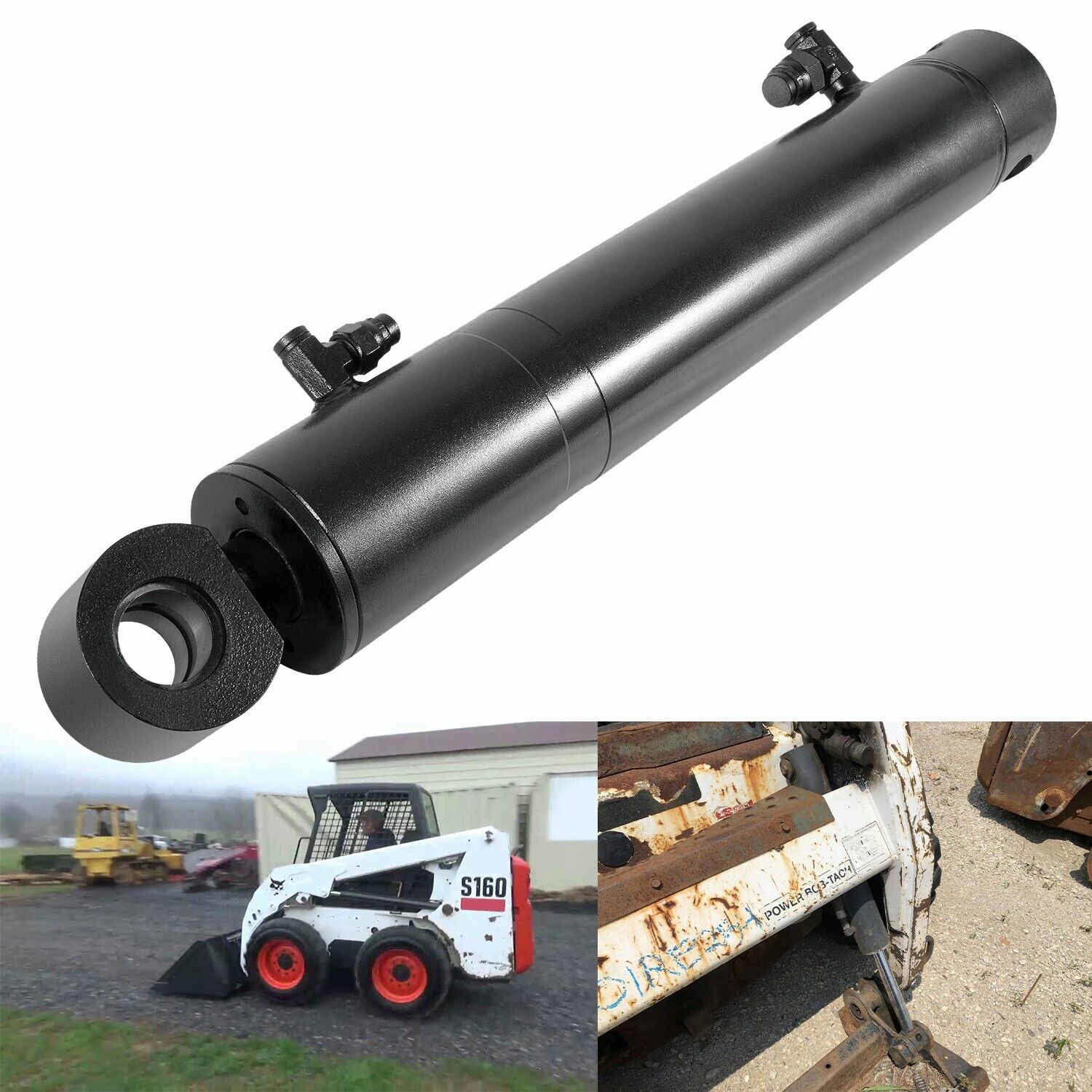
What are the safety considerations when using machinery equipped with tilt cylinders?
When using machinery equipped with tilt cylinders, several safety considerations should be taken into account to ensure the well-being of operators, bystanders, and the overall work environment. Here are the key safety considerations:
- Operator Training: Proper training is essential for operators who will be working with machinery equipped with tilt cylinders. Operators should receive comprehensive training on the safe operation of the equipment, including understanding the controls, precautions, and potential hazards associated with tilt cylinder usage. Training helps operators develop the necessary skills and knowledge to operate the machinery safely.
- Safe Operating Procedures: Establishing and following safe operating procedures is crucial for minimizing risks when using machinery with tilt cylinders. Standard operating procedures should outline the correct sequence of operations, safety checks, and precautions to be taken before, during, and after using the equipment. Operators should adhere to these procedures to ensure safe and consistent operation.
- Inspection and Maintenance: Regular inspection and maintenance of the tilt cylinders and associated equipment components are essential for safety. This includes checking for leaks, damage, loose connections, or excessive wear. Any identified issues should be promptly addressed through maintenance or repairs to prevent potential malfunctions or accidents during operation.
- Load Capacity and Stability: Tilt cylinders have specific load capacity limits, and exceeding these limits can compromise safety. Operators should be aware of the equipment’s load capacity and ensure that the loads being lifted or tilted fall within the specified limits. Additionally, attention should be given to maintaining the stability of the machinery during tilting operations, considering factors such as uneven terrain or shifting loads.
- Proper Use of Safety Devices: Machinery equipped with tilt cylinders may have additional safety devices such as safety locks, sensors, or audible alarms. Operators should use these safety devices as intended and ensure they are in good working condition. For example, safety locks should be engaged when the equipment is stationary to prevent unintended tilting.
- Clear Communication and Signaling: Clear communication among operators, signalers, and other personnel is vital for ensuring safety during tilt cylinder operations. Hand signals or radio communication should be used effectively to convey instructions and warnings. Adequate signaling and communication protocols should be established and followed to avoid misunderstandings or accidents.
- Personal Protective Equipment (PPE): Operators and personnel working with machinery equipped with tilt cylinders should wear appropriate personal protective equipment, including safety helmets, protective eyewear, gloves, and high-visibility clothing. PPE helps minimize the risk of injury from potential hazards, such as falling objects, debris, or hydraulic fluid leaks.
By considering these safety aspects and implementing appropriate measures, the risks associated with using machinery equipped with tilt cylinders can be mitigated. Prioritizing safety promotes a secure working environment, reduces accidents, and protects the well-being of everyone involved in the operation.
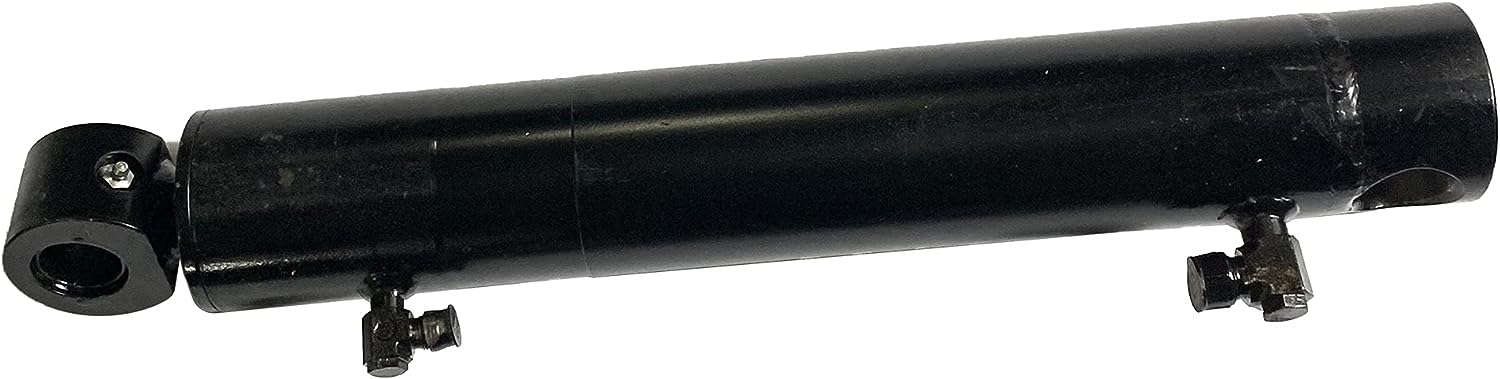
What industries commonly use tilt cylinders in their equipment?
Tilt cylinders find applications in various industries where heavy machinery is utilized. These industries rely on tilt cylinders to enable controlled tilting or angling of components. Here are some industries that commonly use tilt cylinders in their equipment:
- Construction: Tilt cylinders are extensively used in the construction industry. They are employed in equipment such as excavators, bulldozers, backhoes, and loaders. Tilt cylinders allow for precise adjustment of buckets, blades, or attachments, enabling efficient digging, grading, and leveling operations.
- Mining: The mining industry utilizes tilt cylinders in equipment like mining shovels, excavators, and haul trucks. Tilt cylinders play a vital role in controlling the angles of buckets or blades, facilitating efficient digging, loading, and material handling in mining operations.
- Agriculture: In the agricultural sector, tilt cylinders are employed in machinery such as tractors, combine harvesters, and agricultural loaders. They enable the tilting of implements, such as plows or buckets, allowing farmers to adjust the working angle for optimal soil tillage, material handling, or crop harvesting.
- Forestry: Tilt cylinders are used in forestry equipment like feller bunchers, skidders, and loaders. They assist in controlling the tilt of cutting heads, grapples, or blades, enabling precise tree felling, log handling, and forestry operations.
- Material Handling: Industries involved in material handling, such as warehouses, distribution centers, and ports, utilize tilt cylinders in equipment like forklifts, reach stackers, and container handlers. Tilt cylinders allow for the controlled tilting of forks, attachments, or platforms, facilitating efficient loading, unloading, and stacking of goods.
- Waste Management: Tilt cylinders are employed in waste management equipment like garbage trucks, waste compactors, and recycling machinery. They enable controlled tilting of containers, compacting units, or sorting mechanisms, enhancing waste collection, compaction, and recycling processes.
These industries represent a few examples of the sectors that commonly utilize tilt cylinders in their equipment. However, tilt cylinders can also be found in other industries where controlled tilting or angling of components is required to optimize operational efficiency and productivity.
In summary, tilt cylinders are widely used in industries such as construction, mining, agriculture, forestry, material handling, and waste management. These industries rely on tilt cylinders to achieve precise control and adjustment of components, enhancing the performance and versatility of their equipment in various applications.


editor by CX 2024-02-04