.webp)
A 2026 Engineering Compendium on Acidic Erosion, Hydrogen Embrittlement, and High-Integrity Sealing in Environmental Protection Machinery.
In the global shift toward a circular economy in 2026, the reliability of waste management infrastructure has become a matter of national security. Yet, the hydraulic actuators powering these systems face a biological and chemical enemy more potent than saltwater: Leachate.
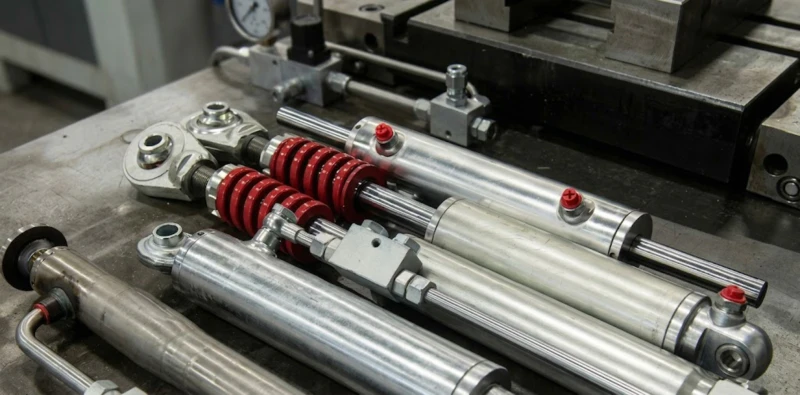
Waste compactor hydraulic cylinders operate at the center of a chemical storm. Leachate—the toxic, acidic liquid that drains from compacted waste—contains a volatile mix of organic acids, heavy metals, and anaerobic bacteria. For standard hydraulic actuators, exposure to leachate is a death sentence, leading to rapid rod pitting, seal degradation, and structural failure.
At tiltcylinder.net, our EP series is engineered specifically to survive the environmental protection sector’s harshest variables. We recognize that durability in waste management is a product of three integrated layers of defense: Metallurgical Inertness, Chemical-Resistant Sealing, and Automated Surface Shielding. This white-paper provides a granular analysis of leachate chemistry, the physics of hydrogen embrittlement in piston rods, and the economic necessity of choosing high-spec actuators for municipal and industrial waste fleets.
The Chemistry of Erosion: Why Leachate Kills Hydraulics
Leachate is a complex aqueous solution that forms as water percolates through waste. In 2026, with the increase in organic waste processing, the concentration of Volatile Fatty Acids (VFAs) in leachate has reached levels that can dissolve standard industrial chrome plating in months.
The pH Variable: Modern compactor leachate often maintains a pH level between 4.5 and 6.0. This acidity, combined with high chloride concentrations, triggers Pitting Corrosion. These microscopic pits on the rod surface act as reservoirs for acid, which is then pumped directly into the cylinder seals upon every retraction.
Furthermore, anaerobic bacteria in waste produce Hydrogen Sulfide (H2S). This gas reacts with the steel of the piston rod, leading to Hydrogen Embrittlement. This makes the steel brittle at a molecular level, causing sudden structural snaps under the massive compaction loads (often exceeding 250 bar). At tiltcylinder.net, we combat this by utilizing ST52.3 (E355) high-yield steel for our barrels, offering superior molecular density and resistance to hydrogen-induced cracking.
Surface Armor: The 50 micron Chrome and Nickel Shield
For a waste compactor, standard 20 micron chrome plating is insufficient. In 2026, the EP series has standardized the 50 micron (50μm) Duplex Plating standard. By applying multiple layers of chrome over a nickel-plated base, we create a labyrinthine barrier that leachate cannot penetrate.
This plating is supported by Induction Hardening to HRC 55-60. In the waste sector, cylinders are frequently struck by pieces of metal or glass debris. If the substrate is soft, the chrome will dent and crack (the Eggshell Effect). Our hardened rods provide the rigid foundation required to keep the protective chrome layer intact, preventing the onset of sub-surface corrosion that causes rods to flake and seals to fail.
The EP Series Environmental Defense
Acid-Proof Seals
Utilizing specialized Japanese NOK polymers designed to resist chemical swelling when exposed to organic waste leachate.
50μm Duplex Plating
A multi-layer chrome shield provides 120+ hours of Salt Spray resistance and an impenetrable barrier against acidic pitting.
ST52.3 Durability
High-yield seamless steel barrels resist hydrogen embrittlement and internal pressure surges common in waste compaction.
Mirror Bore Ra 0.2
Smooth internal finishing reduces friction and heat, preventing the seal hardening that leads to catastrophic internal leaks.
Sealing the Gap: NOK Performance in Toxic Slurry
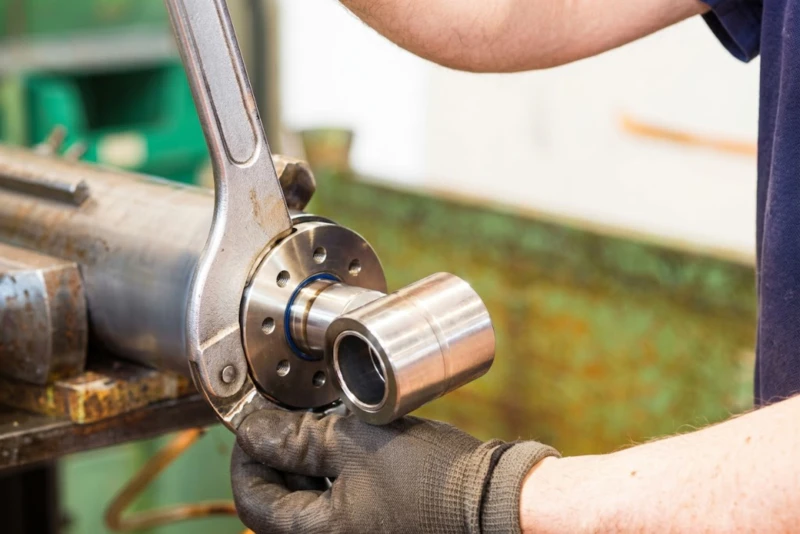
In environmental protection, the seal is the primary barrier between hydraulic power and toxic environmental contamination. If a seal fails on a waste compactor, hydraulic oil is pushed into the waste stream, leading to massive environmental fines.
The Triple-Wiper Standard: At tiltcylinder.net, we utilize Japanese NOK multi-lip sealing matrices. For waste management, we implement a specialized triple-wiper system. The primary wiper scrapes away solid waste particles; the secondary wiper manages the chemical film; and the tertiary seal maintains the high-pressure vacuum. This prevents leachate from being “pumped” into the cylinder head, preserving the Ra 0.2 micron mirror finish of the internal bore and ensuring a service life that is 3x longer than budget aftermarket alternatives.
.webp)
Manufacturing Resilience: Robotic SAW Fusion
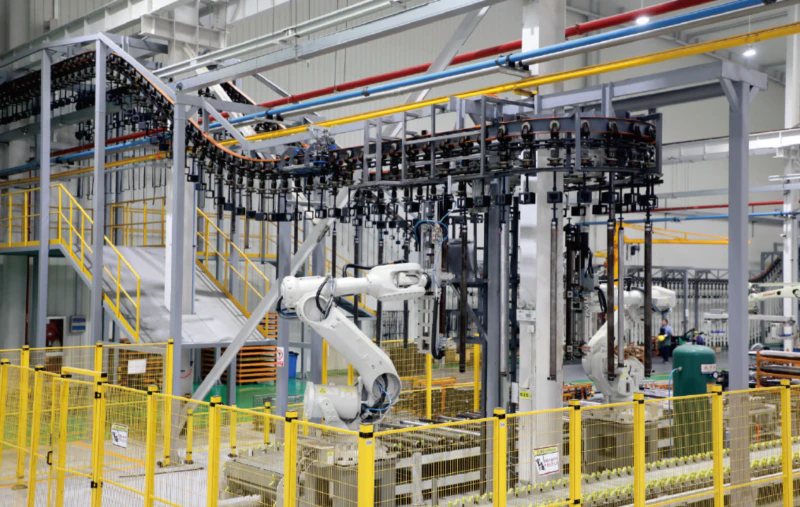
Waste compactors operate with high-frequency, high-pressure cycles. This creates massive vibrational fatigue in the cylinder mounts. In 2026, we utilize Robotic Submerged Arc Welding (SAW) to fuse the cylinder base and trunnion. This provides a unified molecular structure that resists the stress-corrosion cracking common in hand-welded units.
.webp)
Economic Intelligence: The TCO of Waste Management
In the municipal waste sector, equipment downtime translates directly into city-wide logistics failures. A failed compactor cylinder in a remote landfill can cost 15,000 USD in mobilization fees and lost productivity. By investing in the EP series, fleet managers typically achieve a 55 percent reduction in hydraulic-related O&M costs.
- Reduced Downtime: Corrosion-resistant rods and seals extend the mean-time-between-failure (MTBF) by over 300 percent compared to standard cylinders.
- Environmental Compliance: Zero-leak integrity ensures that your facility remains compliant with increasingly strict 2026 environmental regulations.
- Lower Energy Consumption: Ra 0.2 micron bores reduce internal friction, allowing compactor pumps to operate more efficiently, saving fuel and electricity.
- Preserved Resale Value: Used waste equipment with verified EPYY hydraulics maintains higher valuation in the secondary market due to the lack of rod-pitting.
Conclusion: The Hydraulic Link to a Sustainable Planet
As we move further into 2026, the intersection of mechanical engineering and environmental stewardship has become the new industry standard. The hydraulic cylinder remains the critical, physical link in the waste-to-energy chain. At tiltcylinder.net, we combine world-class ST52.3 metallurgy, Japanese sealing excellence, and rigorous de-aeration engineering to provide the actuators that ensure our cities remain clean and our ecosystems remain protected. The EP series is more than a product; it is the hydraulic foundation of a sustainable future.
Armor Your Environmental Fleet Today
Eliminate leachate corrosion and unplanned downtime. Connect with our engineering team for specialized EP series waste compactor solutions or high-volume OEM support.
Leachate-Resistant Tech
100 percent NDT Tested
Worldwide Shipping